High Power DIN
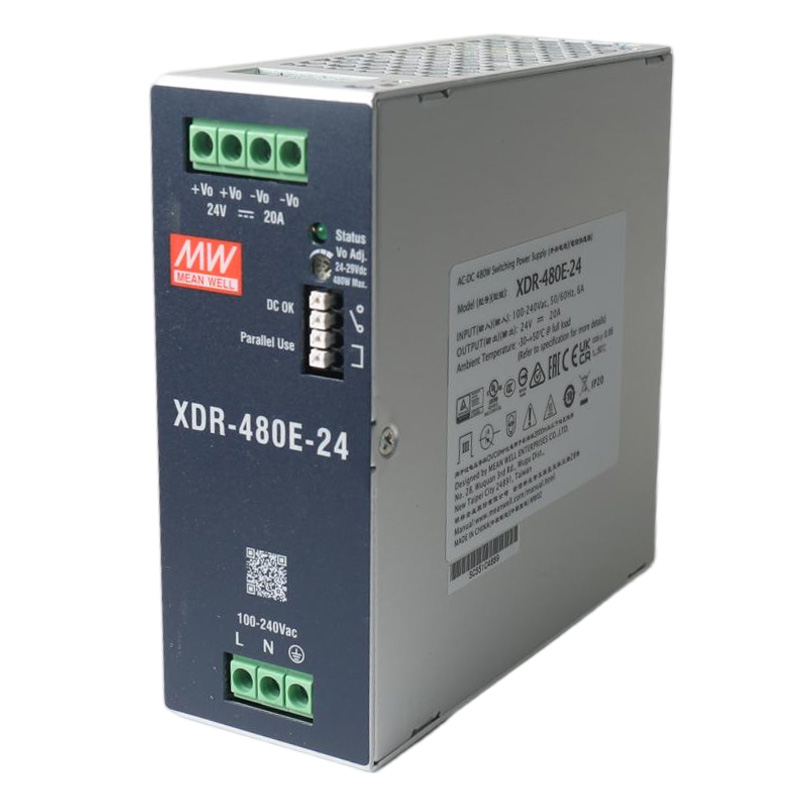
MeanWell XDR-480E Series 480W DIN Rail SMPS (12V/24V/36V/48V)
480W High Density
24V @ 20A
Active PFC
CE / UL Validated
Procure authentic, factory-tested switched-mode power supplies (SMPS) backed by full CE Declarations of Conformity, UL certifications, and rigorous pre-shipment burn-in verification.
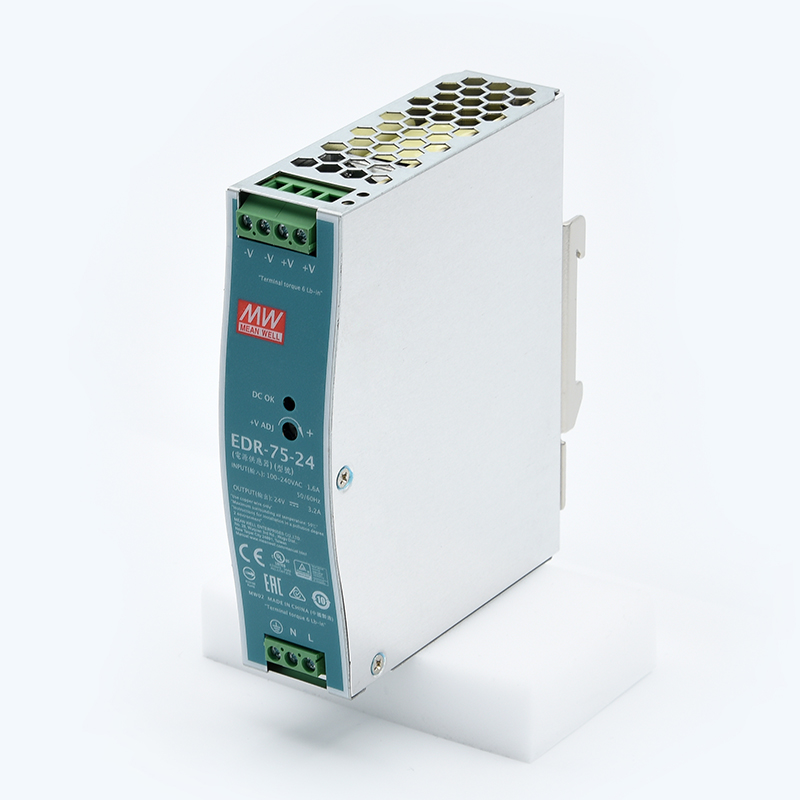
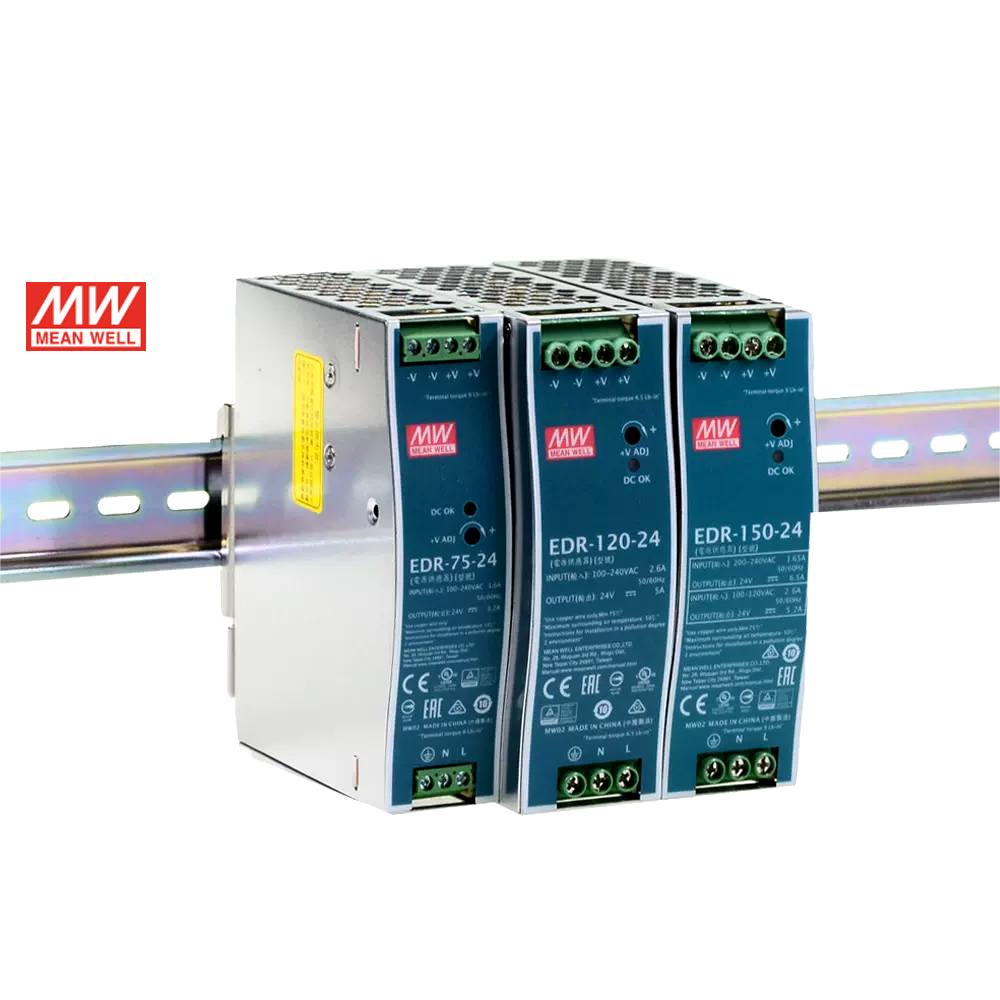
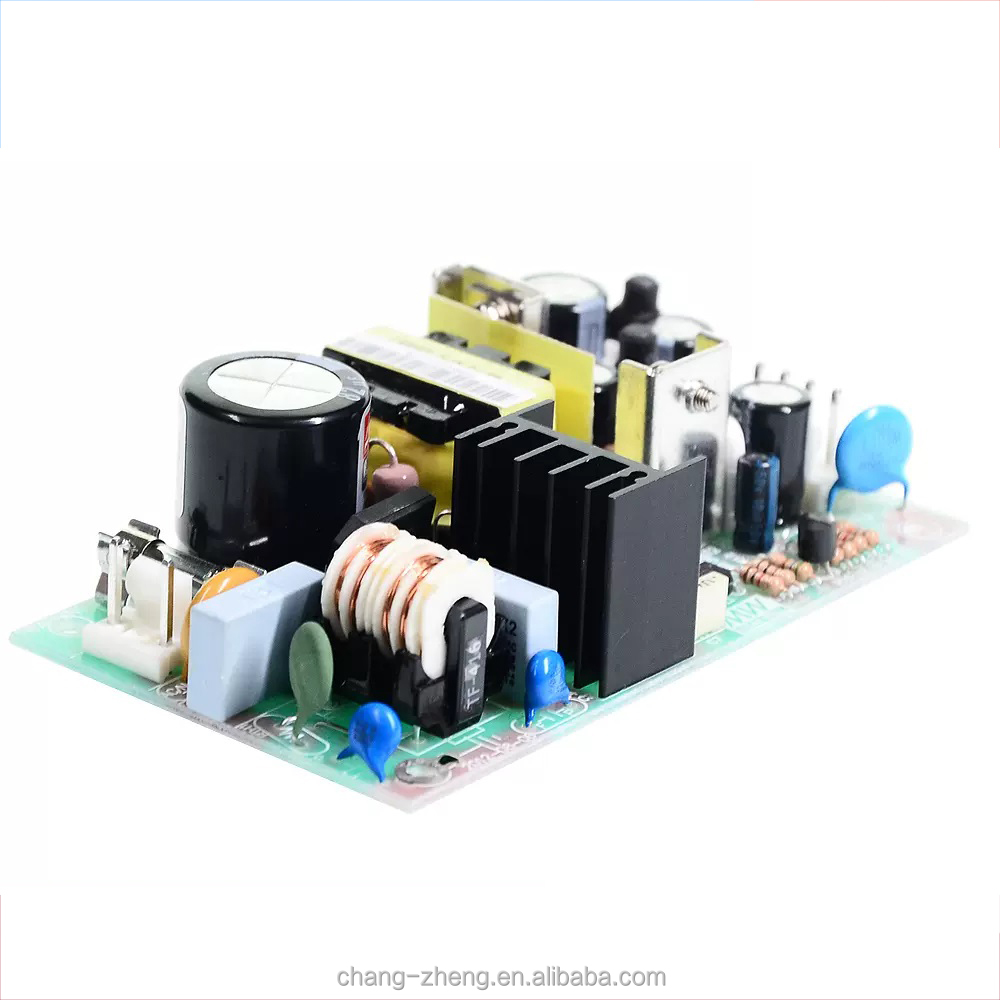
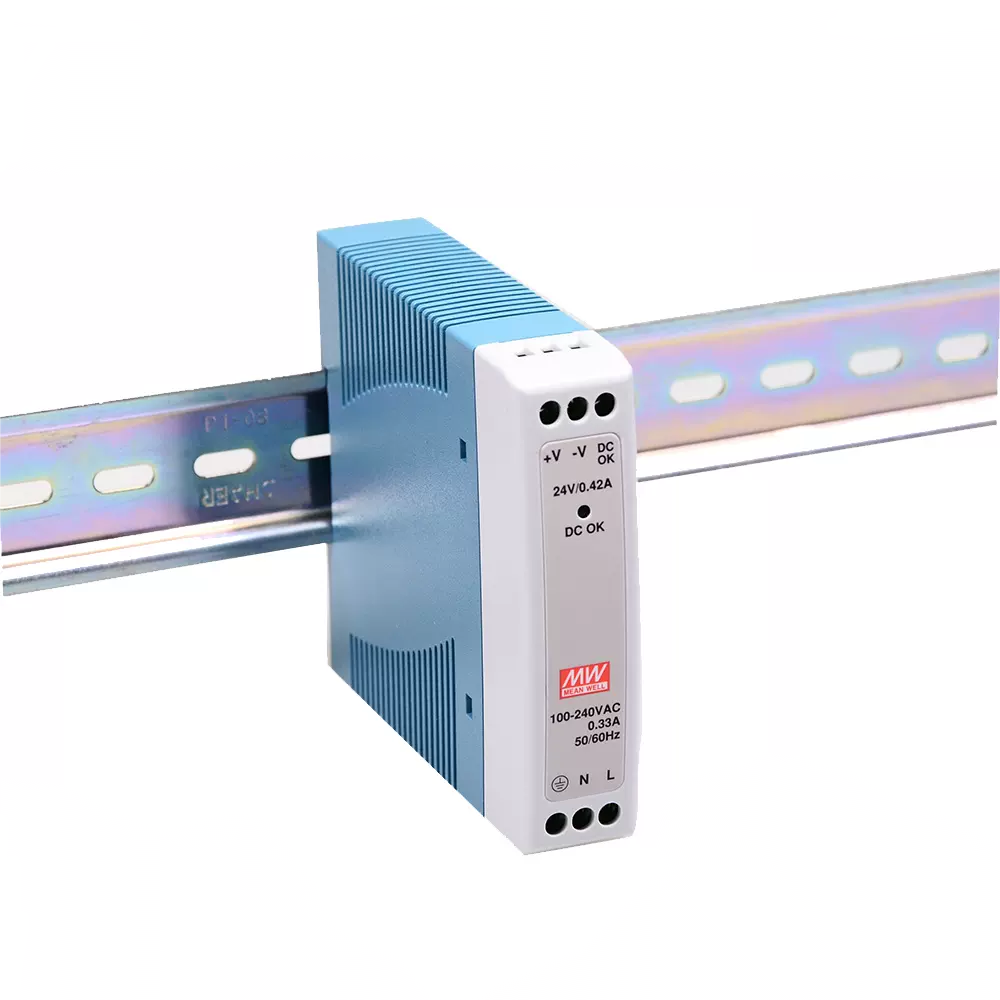
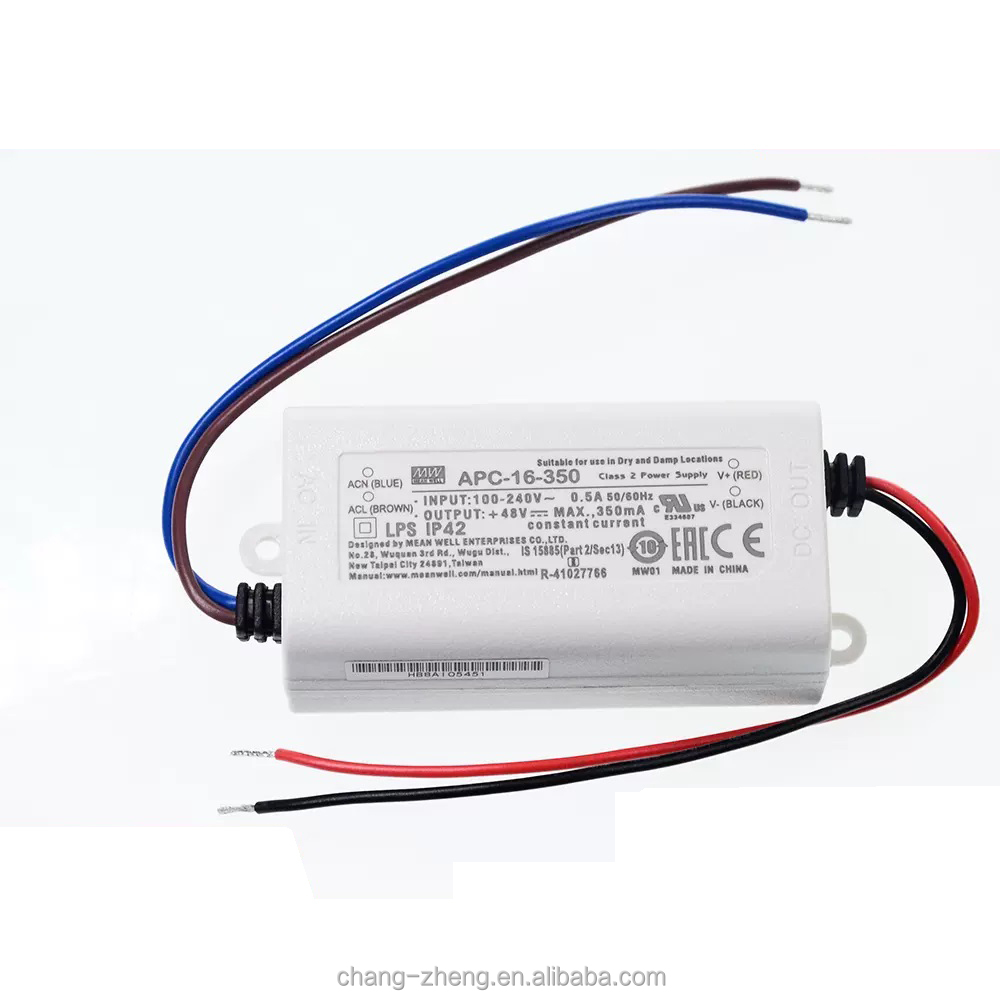
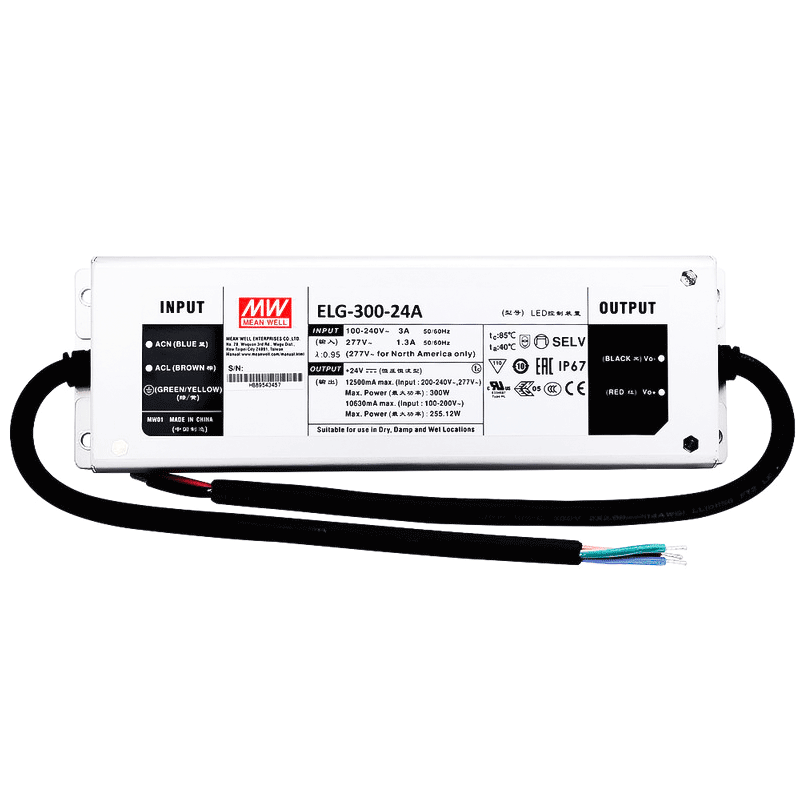
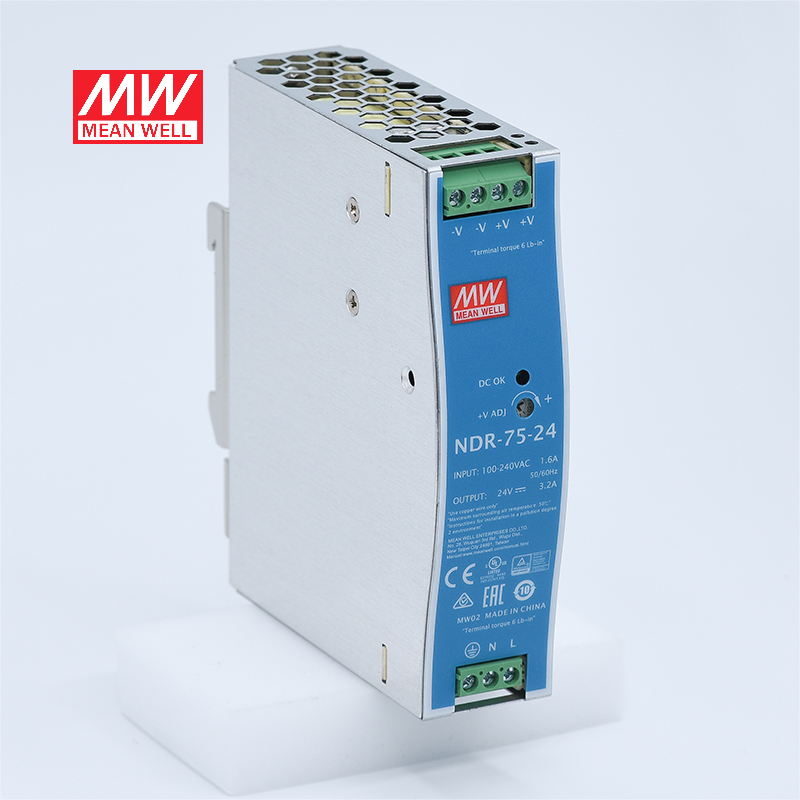
In international B2B commerce, a CE mark is neither a decorative badge nor a generic supplier declaration. It represents comprehensive, legally binding conformity with European Union health, safety, and electromagnetic directives. Discover the structural testing protocols required for certified power exports.
LVD mandates strict electrical insulation boundaries for equipment operating between 50 to 1,000 VAC or 75 to 1,500 VDC. Under the harmonized standard EN 62368-1 (superseding EN 60950-1 and EN 60065), power supplies must pass rigorous hazard-based safety engineering assessments.
Critical parameters include minimum clearance and creepage distances, reinforced isolation barriers capable of withstanding 3,000 to 4,000 VAC Hi-Pot test voltages, and fail-safe overvoltage clamping.
DC power supplies utilize high-frequency pulse-width modulation (PWM), naturally generating conducted and radiated high-frequency harmonics. To secure CE certification, power converters must meet twin standards: EN 55032 for emissions and EN 55035 / EN 61000-6-2 for immunity.
Units undergo strict anechoic chamber testing, evaluating immunity against 4kV fast electrical transient (EFT) bursts, 8kV contact/15kV air electrostatic discharge (ESD), and up to 4kV line-to-earth surge phenomena.
Grid stability demands full compliance with EN 61000-3-2 Class D, mandating Active Power Factor Correction (PFC > 0.95) for equipment consuming over 75W. This mitigates phase shifts and harmonic contamination across public low-voltage networks.
Simultaneously, the RoHS Directive (2011/65/EU and amendment EU 2015/863) enforces heavy metal thresholds (Lead, Mercury, Hexavalent Chromium) and phthalates below 1,000 ppm, verified via strict ICP-OES spectrometry.
| PSU Architecture Type | Common Voltage Rails | Typical Conversion Efficiency | Applicable Harmonized CE Standard | Target Engineering Sector |
|---|---|---|---|---|
| Enclosed Chassis SMPS (e.g., LRS Series) | 5V, 12V, 24V, 36V, 48V DC | 88% – 93.5% | EN 62368-1 / EN 55032 | Industrial machinery, 3D printers, internal telemetry racks, telecommunications |
| DIN Rail Modules (e.g., NDR, EDR, XDR) | 12V, 24V, 48V DC | 89% – 94.5% | EN 61010-1 / EN 61000-6-2 | Factory automation, PLC cabinets, process instrumentation, SCADA distributed IO |
| Encapsulated IP67 Drivers (e.g., ELG, HLG) | 12V, 24V, 36V, 42V, 54V DC | 91% – 96.0% | EN 61347-1 / EN 55015 | Outdoor horticultural lighting, tunnel luminaires, harsh environment mining sites |
| Open Frame Board Level (e.g., PD, LOP) | Dual +/-15V, 12V, 24V DC | 85% – 91.0% | EN 62368-1 / EN 60601-1 | Embedded systems, medical instrumentation, compact rack instrumentation |
Shenzhen Belmo Technology Co., Ltd. bridges the gap between Asian manufacturing precision and global procurement expectations. As an audited B2B exporter of genuine Mean Well power supplies and custom DC conversion solutions, we eliminate supply friction through complete technical transparency.
Our operational headquarters, specialized testing facilities, and warehouse logistics centers in Shiyan, Shenzhen undergo independent on-site audits by SGS, confirming real production, testing, and inventory scale.
Counterfeit power components represent severe fire and legal liabilities. Every Mean Well unit distributed by Belmo features verified factory serial barcodes, verifiable anti-counterfeiting seals, and documented source batching.
Infant mortality is eliminated through our multi-point pre-dispatch protocol: full-load thermal burn-in, active voltage adjustment, ripple screening, and Hi-Pot isolation testing prior to seaworthy or air packaging.
We support agile engineering prototyping and spares distribution. Consolidate enclosed, DIN rail, open frame, and IP67 waterproof drivers within a single shipment with minimum order quantities as low as 1 to 5 units.
Our product distribution aligns with direct manufacturer warranty policies: 3 years on general industrial LRS units, 5 years on industrial EDR/NDR, and up to 7 years on flagship HLG/ELG outdoor driver families.
Full CE Declarations of Conformity (DoC), UL certificate numbers, CB test reports, REACH material declarations, and international commercial invoices with exact HS Codes (8504.40.19) for smooth port clearance.
Enterprise procurement for electrical components is evolving from price-per-watt transactional purchasing toward holistic Total Cost of Ownership (TCO) evaluation, supply chain resilience, and environmental regulatory scrutiny.
Industrial facilities operating thousands of 24V power supplies 24/7 now prioritize efficiency over initial bill-of-materials cost. An efficiency bump from 88% to 94% reduces thermal dissipation by 50%.
This massive drop in dissipated heat decreases internal cabinet temperatures, doubling the lifespan of electrolytic capacitors and reducing enclosure cooling and air conditioning energy bills.
Global manufacturers increasingly avoid dual-SKU inventory setups. Procurement heads now stipulate a single unified bill of materials (BOM) carrying universal approval marks.
A single power supply module must now carry CE (Europe), UL/cUL (North America), CB Scheme (international), EAC (Eurasia), and RCM (Oceania) certifications to allow global inventory fungibility.
Under the European Union Corporate Sustainability Due Diligence Directive (CSDDD) and revised Ecodesign frameworks, Tier-1 exporters are subjected to comprehensive life-cycle carbon tracking.
Procurement decisions heavily weigh no-load power consumption (<0.5W benchmarks), recyclable aluminum casing alloys, and verified vendor compliance with ISO 14001 environmental management standards.
The switched-mode power supply industry is undergoing its most radical transformation in three decades. Explore how silicon-to-wide-bandgap transitions, digital telemetry, and advanced thermal conduction are reshaping power density limits.
Traditional silicon MOSFETs have reached physical theoretical limits regarding electron mobility and switching losses. Modern high-efficiency power supplies integrate Gallium Nitride (GaN) and Silicon Carbide (SiC) transistors in high-frequency primary switching stages.
GaN devices exhibit dramatically lower gate charge ($Q_g$) and near-zero reverse recovery charge ($Q_{rr}$), enabling switching frequencies to escalate from conventional 65–100 kHz up to 500 kHz+. Because inductive and capacitive components scale inversely with switching frequency, GaN-based power architectures shrink magnetic transformer volumes by up to 60%, elevating volumetric power density to unprecedented levels (>30W/in³).
Analog feedback loops with optocouplers and resistor divider networks are giving way to digital signal processors (DSP) and microcontroller-managed power architectures.
Equipped with PMBus, CANopen, or IO-Link protocols, modern intelligent DIN rail power modules act as connected edge sensors within Smart Factory networks. System operators can continuously monitor real-time output current draw, internal operating temperatures, AC line input surges, and calculate expected component fatigue in real-time.
Rather than waiting for a capacitor to dry out and collapse an entire production line, the digital controller flags progressive equivalent series resistance (ESR) degradation and schedules automated maintenance before catastrophic factory shutdown occurs.
Direct engineering answers addressing technical specifications, CE declaration validation, environmental ratings, and international logistics logistics.
An authentic CE mark must be supported by an official Declaration of Conformity (DoC) signed by the manufacturer, specifying the exact model number, company address, and dated harmonized EN standards (e.g., EN 62368-1 for safety and EN 55032/EN 55035 for EMC). Demand the underlying test report issued by an accredited ISO/IEC 17025 test laboratory (such as SGS, TÜV, UL, or Intertek). Beware of false "China Export" logos where the letters 'C' and 'E' lack proper circular geometry and spacing.
While all three fit standard TS-35 mounting rails, their internal engineering targets different performance tiers: EDR is an economical entry series offering standard efficiency (85–88%) for basic machine builds; NDR provides heavy industrial electromagnetic immunity (EN 61000-6-2) with higher operating temperature ranges; SDR is the premium series featuring Active PFC, up to 94.5% efficiency, slim casing width to save cabinet DIN space, and 130–150% peak power capability for motor inrush loads.
When cold SMPS units are energized, their uncharged input bulk electrolytic capacitors draw an instantaneous surge current (often 30A to 60A per unit for tens of microseconds). If multiple power supplies are connected to a single AC circuit breaker, simultaneous inrush can trip standard Type-B or Type-C miniature circuit breakers (MCBs). Specifying power supplies with integrated NTC thermistors, active relay bypass circuits, or utilizing external inrush current limiters (ICLs) prevents nuisance tripping during plant power cycles.
A power supply labeled "100W" cannot deliver 100W across all environmental conditions. Datasheet derating curves reveal that power delivery begins to scale down linearly above 50°C or 60°C ambient temperatures, often dropping to 50% rated output at 70°C. For sealed, non-ventilated industrial control cabinets in tropical climates, engineers must apply a 20% to 30% safety headroom or specify power units engineered with 105°C long-life Japanese capacitors and heavy aluminum heatsinks.
Constant Voltage (CV) power supplies (e.g., LPV or LRS) maintain a fixed potential (typically 12V or 24V DC) regardless of current variations, making them ideal for parallel-connected LED strips and sign boards containing integrated onboard current-limiting resistors. Constant Current (CC) drivers (such as APC or HLG series in CC mode) vary the output voltage dynamically to lock a constant amperage (e.g., 350mA, 700mA, or 1050mA) directly through high-power LED diodes, preventing thermal runaway and maximizing luminous output efficiency.
Connecting standard DC outputs directly in parallel can cause destructive circulating currents due to slight voltage mismatches. For high-availability missions (data infrastructure, critical PLC automation), buyers should select models equipped with built-in active current-sharing pins (such as Mean Well PSP or DPU series) or install external redundancy diode modules (such as DR-RDN20 or DRDN40) containing low-loss ORing MOSFETs to isolate a failed power supply without dropping the DC bus voltage.