Recommended Power Supplies & LED Drivers
Precision-engineered switching power supplies, ultra-slim PCB modules, and constant-voltage/current drivers ready for municipal roadway fixtures, exterior industrial automation, and architectural illumination deployments.
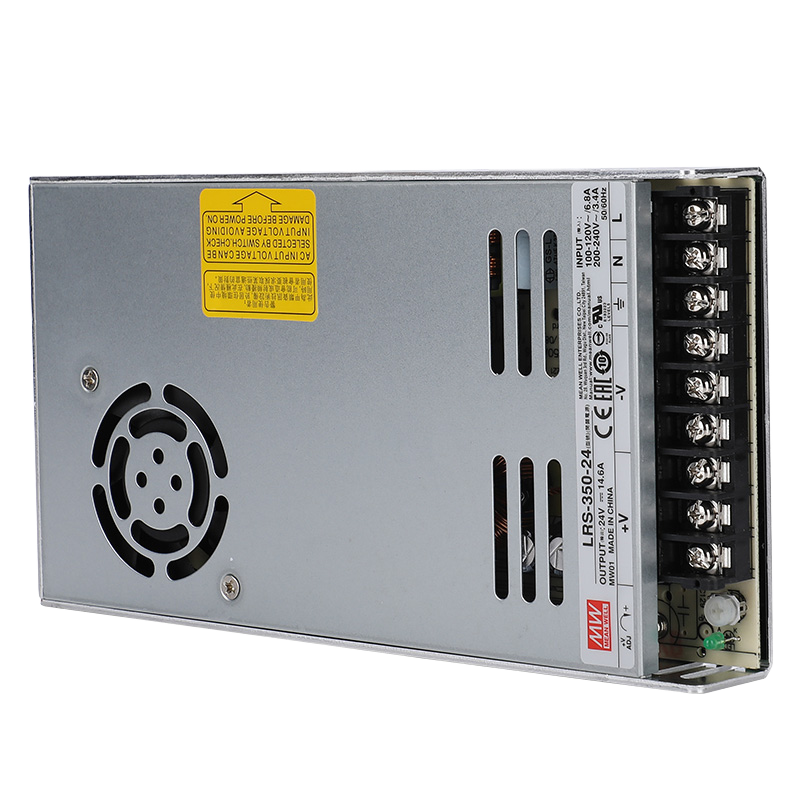
MeanWell LRS-350-24 3.3V 4.2V 5V 15V 24V 36V 48V 12V 20A 350W Power Supply Led Strip
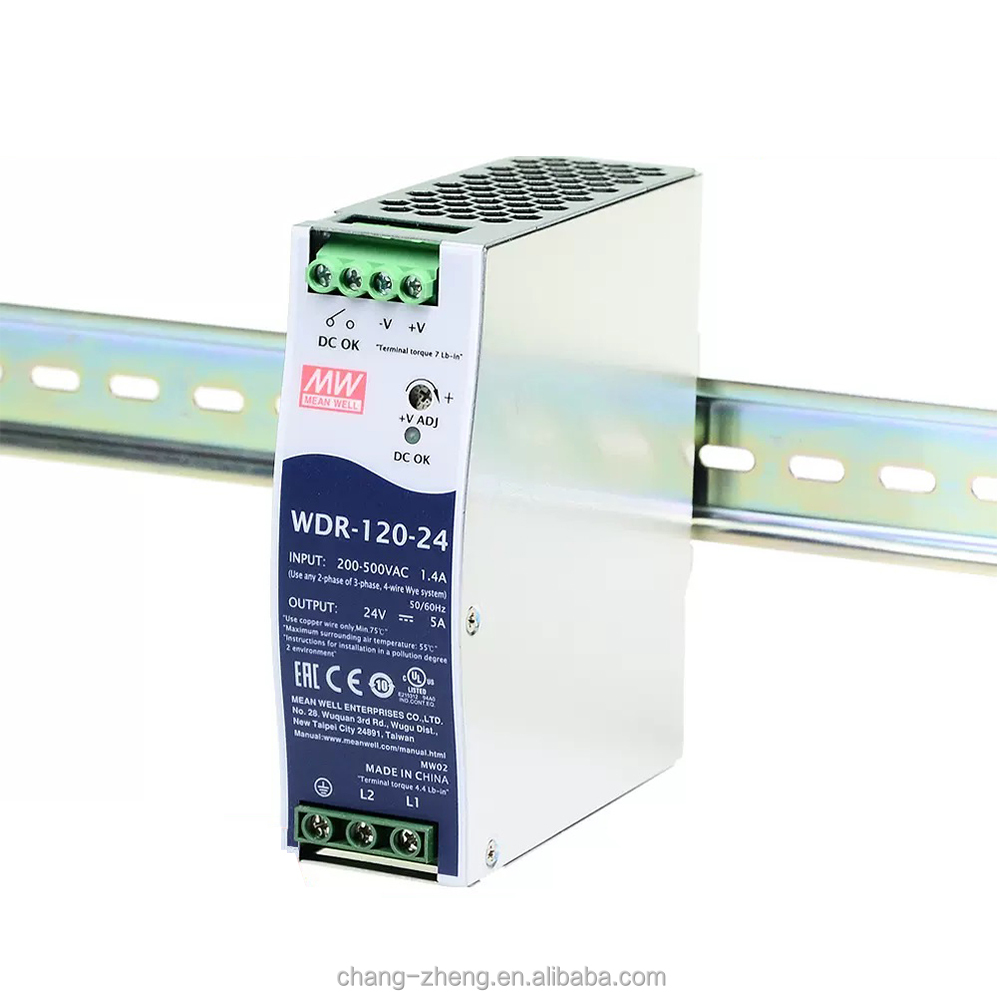
MeanWell 24V 5A DIN Rail Power Supply WDR-120-24 12V 24V 48V Industrial Control System AC Voltage Transformer
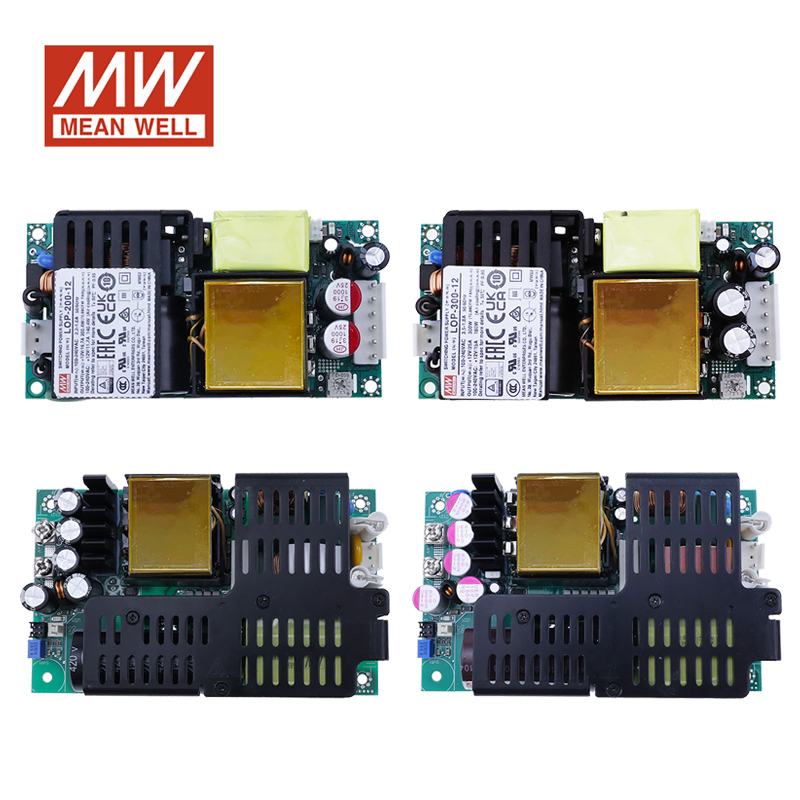
Mean Well LOP-200/300/400/500/600-12/15/18/24/27/30/36/48/54 MeanWell Ultra Low Profile PCB Type Power Supply 5"x3" 4"x2"
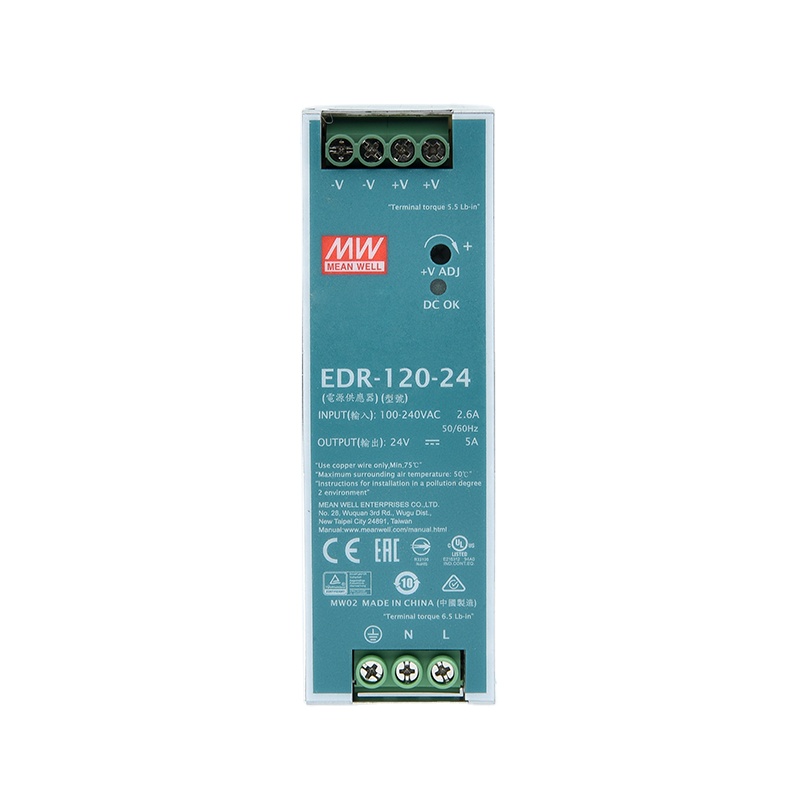
MeanWell EDR-120-24 12V 24V 48V DIN Rail 10A Power Supply Industrial Control System Switching Power Supply
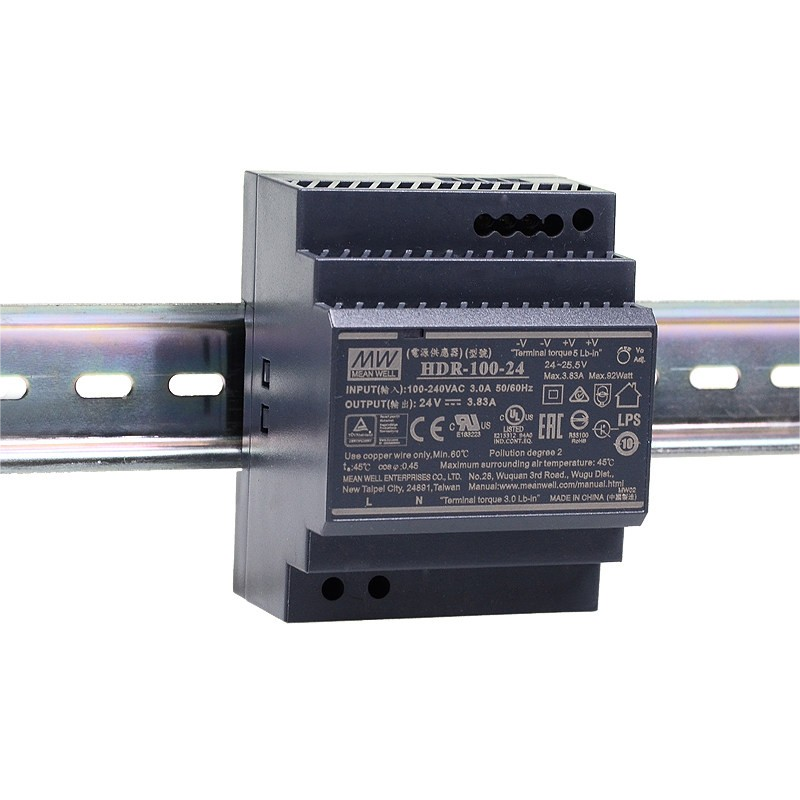
Mean Well HDR-100-24 24V 4.2A 100W 12V 15V 48V Mean Well DIN Rail Switching Power Supply for Household Control System
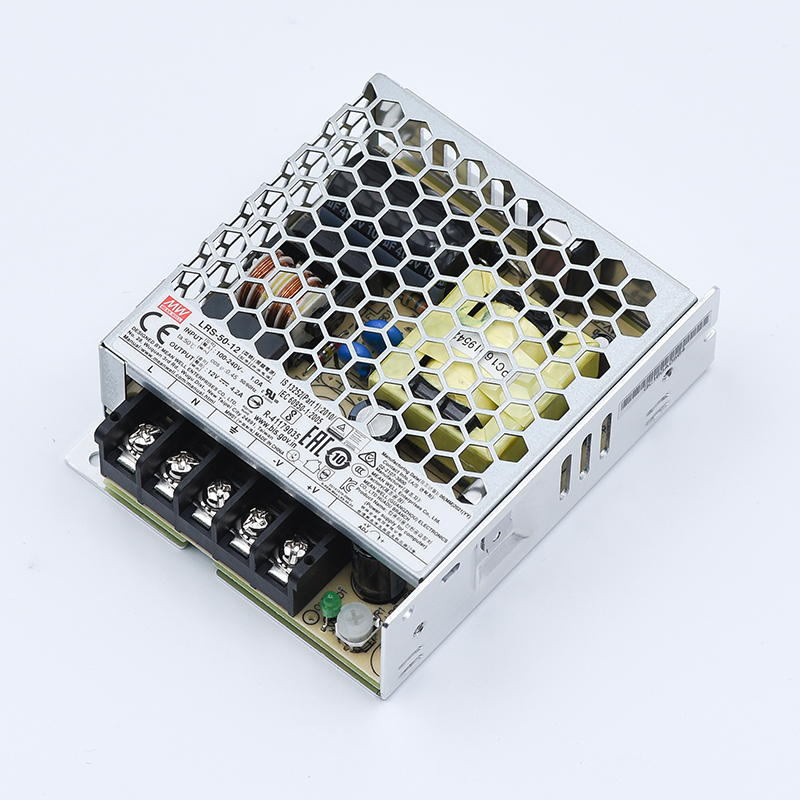
Meanwell 12V 4.2A 50W LRS-50-12 Switching Power Supply for LED Strip CCTV
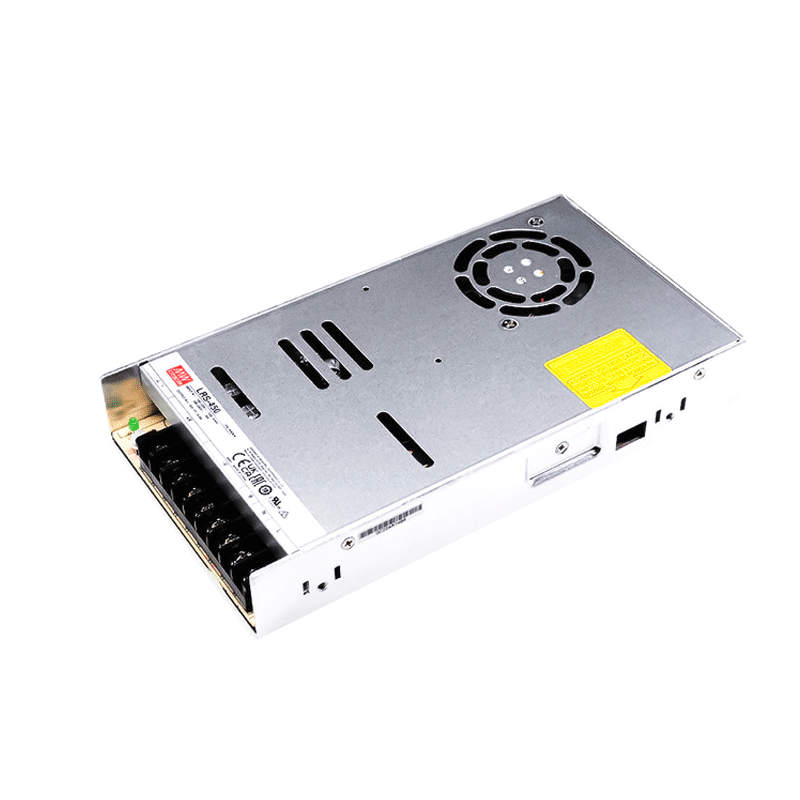
Meanwell LRS-450-12 12V 37.5A 450W Mean Well Switching Power Supply for LED Strip Light
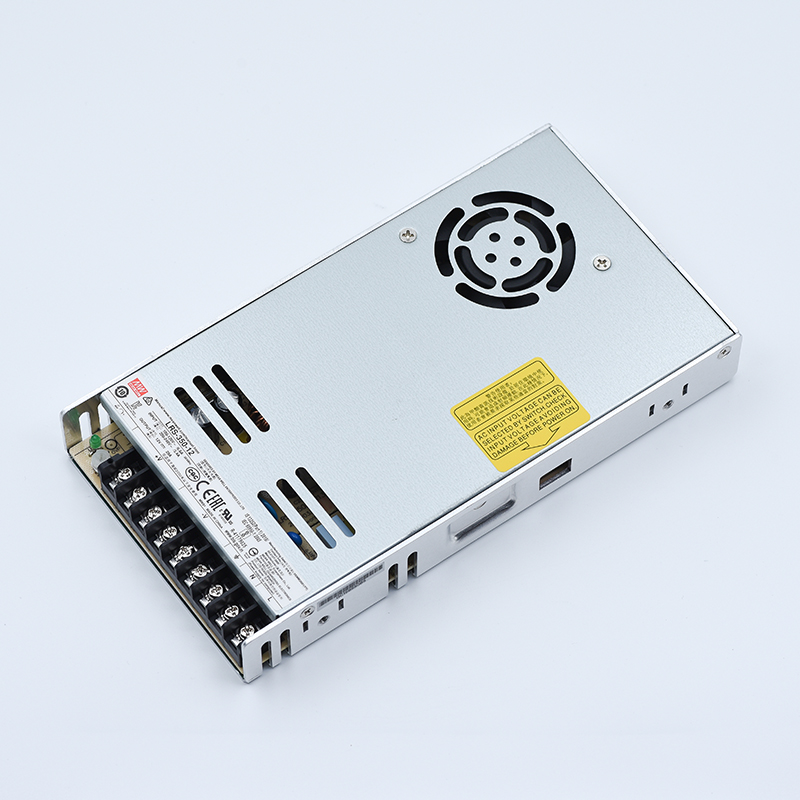
MeanWell LRS-350-12 3.3V 4.2V 5V 12V 15V 24V 36V 48V 29A 350W Mean Well Switching Power Supply for Industrial Automation
Technical Whitepaper: Sourcing High-Performance LED Street Light Drivers from China
The global transition to solid-state outdoor lighting has fundamentally changed the operational expectations for municipal roadway fixtures, highway high-masts, urban transit illumination, and exterior architectural projects. While the luminous efficacy of modern LED packages (measured in lumens per watt) continues to approach theoretical thermodynamic limits, the true vulnerability and determinative lifecycle element of an outdoor luminaire remains its switch-mode electronic power supply: the LED driver.
Municipal infrastructure contracts typically require continuous service warranties of 5, 7, or even 10 years in harsh outdoor operational environments. Street light luminaires must endure severe ambient thermal cycling from -40°C to +65°C, extreme humidity, airborne pollutants, seasonal lightning phenomena, and erratic grid conditions marked by harmonic voltage distortions and severe voltage sags. Consequently, international procurement managers, electrical design engineers, and municipal contractors cannot treat the LED driver as a passive commodity. Sourcing directly from verified Chinese industrial export leaders like Shenzhen Belmo Technology Co., Ltd. provides the critical bridge between direct manufacturing pricing and tier-one engineering authenticity.
Crucial Procurement Takeaway: Over 82% of premature solid-state field failures in highway and municipal street lighting installations stem not from LED chip degradation, but from electronic driver breakdown—primarily through electrolytic capacitor electrolyte dry-out, thermal runaway in primary switching MOSFETs, or dielectric breakdown across input isolation barriers during lightning transients.
1. Switching Topologies and Circuit Architectures for Roadway Illumination
A street light driver operates as an isolated, switch-mode AC-DC converter that regulates alternating current from volatile public utility grids into a tightly controlled direct current (CC) or direct voltage (CV). To meet stringent international regulatory frameworks including IEC/EN 61347-1, IEC/EN 61347-2-13, UL 8750, and GB 19510 series, advanced municipal drivers employ complex, dual-stage active power topologies:
Active Power Factor Correction (PFC) Stage: Modern utility regulations require roadway luminaires drawing greater than 25W to maintain a Power Factor (PF) above 0.95 and Total Harmonic Distortion (THD) below 10% under full load. Boost PFC pre-regulators actively force input AC current to trace the sinusoidal waveform of the line voltage, eliminating harmful phase displacement and harmonic currents that can overheat local step-down utility transformers and neutral conductors.
Resonant Half-Bridge LLC and Flyback Topologies: In mid-wattage configurations (up to 75W), quasi-resonant flyback topologies provide an optimal cost-to-performance ratio. However, for high-output roadway luminaires ranging from 100W to 320W and stadium floodlights up to 600W+, LLC resonant half-bridge architectures dominate. LLC topologies enable Zero Voltage Switching (ZVS) across the primary MOSFET switches and Zero Current Switching (ZCS) across output secondary rectifiers, drastically curbing switching losses and enabling electrical conversion efficiencies upwards of 94.5%.
| Circuit Topology | Typical Wattage Range | Peak Efficiency | THD @ Full Load | Primary Industrial Use Case |
|---|---|---|---|---|
| Single-Stage Flyback | 15W – 45W | 84% – 87% | < 15% | Residential pathway lights, solar lantern heads |
| Dual-Stage Boost PFC + Flyback | 40W – 100W | 88% – 91% | < 10% | Secondary arterial roads, residential municipal streets |
| Dual-Stage LLC Resonant + PFC | 100W – 320W | 92% – 95% | < 7% | Highways, major expressways, municipal trunk corridors |
| Interleaved LLC Full-Bridge + PFC | 350W – 1200W | 95% – 96.5% | < 5% | High-mast stadium lighting, maritime docks, container yards |
2. Environmental Ingress & Structural Thermal Management: IP67 vs. IP68 Potting
Street light drivers are installed directly within pole-top luminaire housings or mounted externally on arms where they absorb severe thermal radiation from solar loading combined with heat generated by the LED engine. Because convective air flow inside sealed luminaires is minimal, the driver relies almost entirely on conduction through its chassis to the fixture's die-cast aluminum heat sink.
To eliminate moisture ingress and corrosion from airborne salts and industrial sulfur emissions, industrial outdoor drivers must feature IP67 or IP68 hermetic ingress sealing. High-grade Chinese manufacturers utilize vacuum potting with high thermal conductivity silicone elastomer compounds (typically 0.8 to 1.2 W/m·K). Unlike rigid, low-cost epoxy resins that crack under cyclic thermal expansion and fracture delicate surface-mount device (SMD) solder joints, thermally conductive silicone remains compliant over a -40°C to +180°C spectrum. This potting medium absorbs mechanical vibration (such as 5G wind and traffic-induced pole oscillation) while conducting parasitic heat away from internal magnetics and high-temperature electrolytic capacitors directly to the outer extruded aluminum case.
Future Procurement Trends in Roadway and Municipal Lighting (2025–2030)
Procuring street light drivers from China is rapidly advancing beyond simple watt-per-dollar comparisons. Sourcing directors at major municipal authorities, energy service companies (ESCOs), and multinational luminaire OEMs are evaluating product roadmaps against emerging technological, regulatory, and circular economy vectors:
1. Zhaga Book 18 & D4i Convergence
Global specifications mandate that outdoor luminaires connect seamlessly to IoT central management systems (CMS). The D4i standard (DALI Part 250/251/252/253) defines smart drivers that deliver auxiliary 24V power to photocells and radar sensors while extracting real-time telemetry: operating hours, energy consumption, fixture operating temperature, and internal failure diagnostics.
2. GaN and SiC Semiconductor Integration
Wide Bandgap (WBG) semiconductors, notably Gallium Nitride (GaN) high-electron-mobility transistors and Silicon Carbide (SiC) Schottky diodes, are entering mainstream outdoor driver bill-of-materials. Their superior electron velocity and low switching losses allow drivers to operate at higher frequencies, drastically reducing the physical volume of magnetic transformers by up to 40%.
3. Autonomous Astro-Clock Dimming
To reduce municipal carbon output and cut utility costs, next-generation drivers feature integrated microcontrollers programmed for self-adaptive autonomous dimming. By calculating seasonal midnight adjustments based on natural dusk-to-dawn transitions without requiring network gateways, cities achieve 30% to 50% energy reductions during low-traffic periods.
4. Extreme Transient Surge Immunity
Driven by extreme global weather fluctuations, procurement contracts now mandate integrated 10kV line-to-line and 10kV/20kV line-to-earth surge protection without supplemental external SPD boxes. Drivers incorporate multi-stage Gas Discharge Tubes (GDT) and coordinated Metal Oxide Varistors (MOV) with thermal cut-offs to safely withstand severe lightning induced transients.
5. Circular Economy & Field Repairability
European and North American sustainability frameworks demand modular, field-serviceable driver assemblies. Instead of discarding entire fixture heads upon driver end-of-life, procurement models specify easily accessible driver compartments equipped with toolless disconnect terminals, field-programmable operating currents via NFC, and standardized mechanical footprints.
6. Consolidated Supply Chain Partnerships
Rather than relying on unverified broker networks, enterprise procurement teams partner with established Shenzhen distribution centers that maintain verified supply agreements with tier-one component houses and primary brand makers. This structure ensures authentic semiconductors, factory lot traceability, and bonded inventory for rolling replenishment.
Technological & Industry Development Trends
As the outdoor luminaire ecosystem evolves toward connected smart city infrastructure, street lighting fixtures are increasingly serving as structural nodes for environmental monitoring, smart metering, vehicular traffic analysis, and 5G cellular micro-repeaters. This multi-application shift places new electrical and mechanical demands on the internal power conversion electronics:
Electrolytic Capacitor Degradation and the Arrhenius Rule
The operational lifespan of an outdoor LED driver is primarily governed by the degradation rate of its internal aluminum electrolytic capacitors. Liquid electrolyte inside these components steadily diffuses through their rubber end-seals over years of heat exposure. In accordance with the Arrhenius chemical reaction rate rule, an internal operating temperature increase of just 10°C cuts capacitor operating life by roughly 50%:
Arrhenius Model for Driver Lifespan: L = L0 × 2^((T0 - Tc) / 10), where L0 represents the rated operating hours at maximum case temperature T0 (typically 105°C), and Tc is the actual operating case temperature in the luminaire. High-specification drivers supplied by Belmo utilize 105°C- or 125°C-rated capacitors paired with optimized thermal path potting, guaranteeing 50,000 to 100,000 hours of continuous service when operated at Tc ≤ 75°C.
Software-Defined NFC Current Programming
Traditional fixed-resistor binning and manual DIP-switch configuration methods are rapidly disappearing from luminaire assembly lines. Modern outdoor LED drivers feature integrated Near-Field Communication (NFC) transponders. Luminaire manufacturers can program output currents within milliamp accuracy in under two seconds through the outer packaging carton without applying mains AC power. This programmable architecture enables lighting manufacturers to consolidate hundreds of individual SKU requirements into a handful of standardized driver platforms, reducing inventory carrying costs by up to 60%.
Mains Inrush Current Mitigation Architectures
When an entire municipal branch circuit containing 50 to 100 outdoor luminaires is energized simultaneously at dusk, the simultaneous charging of driver input filter capacitors generates massive aggregate inrush current spikes. If unmitigated, these microsecond transients (often reaching 65A per driver) can nuisance-trip circuit breakers, weld relay contacts inside photocell controllers, and damage distribution switchgear. Modern driver designs feature active NTC thermistor bypass circuits or soft-start digital control loops that limit peak inrush current, allowing electrical contractors to safely place higher quantities of fixtures on a single distribution breaker.
Comprehensive Procurement FAQ for B2B Importers & Contractors
Q How do I determine whether my project requires a Constant Current (CC) or Constant Voltage (CV) driver?
Constant Current (CC) drivers are standard for municipal roadway luminaires, high-masts, and exterior floodlights where the LED emitters are arranged in series strings on a metal-core PCB (MCPCB). The driver directly regulates the target current (e.g., 700mA, 1050mA, 1400mA), preventing thermal runaway as the forward voltage of the LEDs drops with heat. Constant Voltage (CV) drivers (typically 12V, 24V, or 48V) are selected when lighting fixtures feature internal on-board current limiting resistors or linear regulators, as found in outdoor architectural LED ribbons, cove wash lighting, and dynamic signage.
Q How does Belmo guarantee that exported MEAN WELL and industrial drivers are 100% genuine?
Shenzhen Belmo Technology maintains rigorous procurement traceability standards. Every unit shipped carries an authentic factory serial number, traceable batch coding, and genuine laser-etched nameplate data. We conduct incoming goods verification, visual inspection, and high-voltage power-on burn-in testing prior to packing. Pre-shipment high-resolution photographic evidence and test reports are provided directly to buyers prior to balance payment release.
Q What surge protection ratings are required for international roadway tenders?
Most municipal project specifications in North America, Europe, the Middle East, and Latin America require a minimum surge immunity of 6kV line-to-line (differential mode) and 10kV line-to-earth (common mode) tested in compliance with IEC 61000-4-5 and IEEE C62.41.2 Category C. For installations in severe lightning zones or on isolated highway overhead feeds, specifying drivers with integrated 10kV/20kV protection or adding a coordinated external MOV/GDT lightning module is strongly recommended.
Q What is the difference between Mean Well LRS, NDR, and HLG/XLG series for exterior lighting systems?
The LRS series comprises cost-effective, perforated metal-caged AC/DC power supplies engineered for protected electrical boxes, signage cabinets, and machine chassis. The NDR/EDR/WDR series are DIN-rail mounted units engineered specifically for TS-35 rails inside industrial power distribution panels and control cabinets. For direct outdoor pole fixtures exposed to rain and ambient condensation, the HLG, ELG, and XLG series are specifically engineered with cast aluminum IP67/IP68 potted housings, 3-in-1 dimming capabilities, and high surge withstand ratings.
Q What are the minimum order quantities (MOQ) and lead times for bulk export orders?
Unlike rigid factory lines requiring thousands of units per production batch, Belmo accommodates diverse procurement requirements with low MOQs starting from 1 to 5 pieces for standard stocked models. For standard catalogue items, orders typically ship within 2 to 5 business days from our Shenzhen export hub. Large-scale municipal project orders requiring custom output current programming or custom export labeling typically ship within 2 to 4 weeks via direct air or sea freight.
Q How is warranty support and RMA handled for international export shipments?
All genuine products supplied through Belmo carry the official manufacturer warranty policy—ranging from 3 years on entry industrial models up to 7 years on premier outdoor series like HLG. In the rare event of a component defect during the warranty period, our technical team provides rapid remote diagnostic evaluations. Validated claims are resolved via replacement unit dispatches on subsequent shipments or immediate air freight credit, avoiding the prohibitive cost of returning failed units through international customs.
Why International Sourcing Teams Choose Shenzhen Belmo Technology Co., Ltd.
Located in the heart of the world's power electronics manufacturing capital—Shenzhen, China—Shenzhen Belmo Technology Co., Ltd. stands as an audited, SGS-verified B2B exporter and specialized supply chain partner. Serving engineering contractors, municipal lighting builders, and industrial system integrators across more than 50 international markets, our operation is built around technical transparency, rapid logistics execution, and unwavering component integrity.
SGS On-Site Audited
Our corporate facility at Honggao Industrial Park, Songbai Road, Shiyan Subdistrict, Shenzhen, has undergone rigorous on-site audit verification by SGS, confirming legitimate physical premises, verified corporate assets, and reliable export capabilities.
Global Compliance Portfolio
We supply products carrying complete international regulatory documentation: CE, UL, CB, EAC, SAA, and RoHS certifications. Official datasheets, test reports, and certificate copies are made readily available to streamline your local customs clearance.
Export Consolidation & Low MOQ
Avoid managing dozens of separate small suppliers. Belmo consolidates multi-series power supplies, DIN-rail modules, test equipment, and LED drivers into uniform, reinforced, export-compliant pallet shipments with flexible MOQs tailored to your build phase.
Accelerate Your Power Procurement with Shenzhen Belmo
Need precise model selection assistance, project-level pricing schedules, or immediate dispatch confirmations for municipal roadway lighting tenders? Our bilingual technical engineering team is ready to evaluate your bill of materials.