Engineered Industrial Power Infrastructure
High-efficiency, low-noise DIN rail, chassis mount, and external drivers engineered for extreme environmental tolerance, process telemetry, and zero-failure mission reliability.
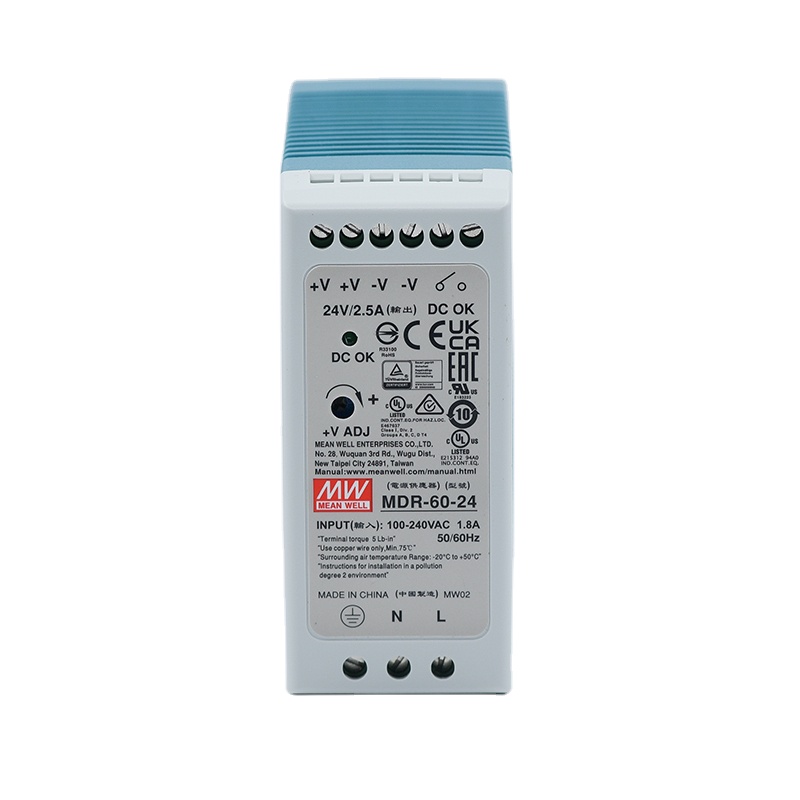
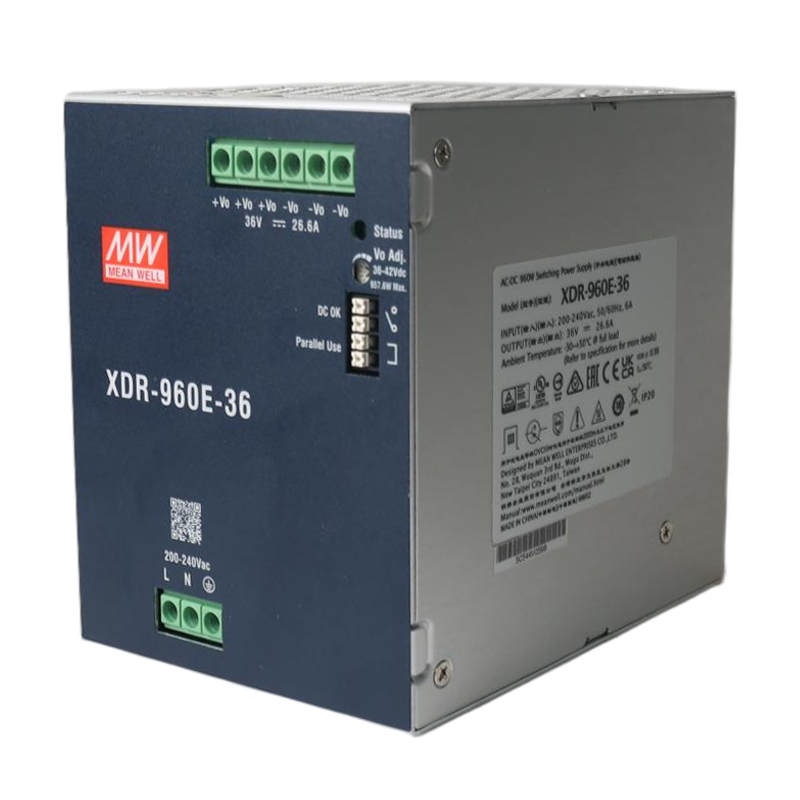
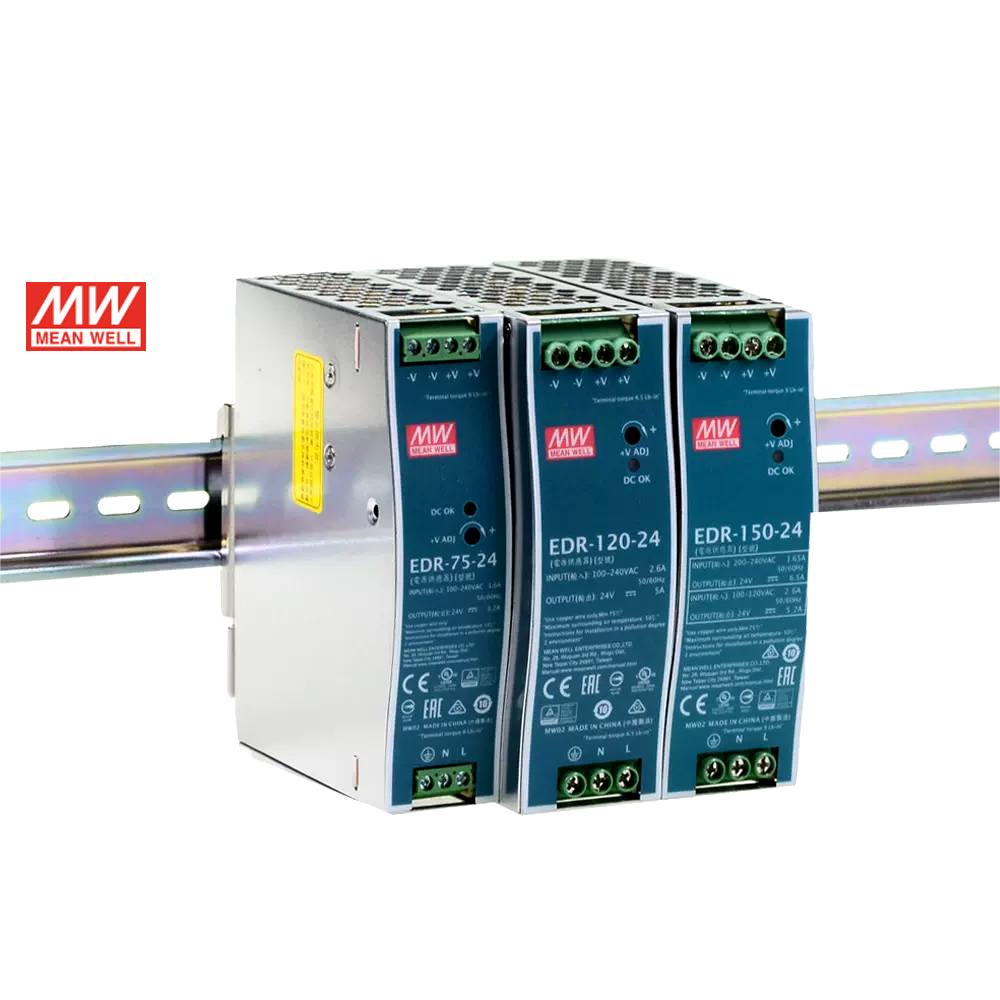
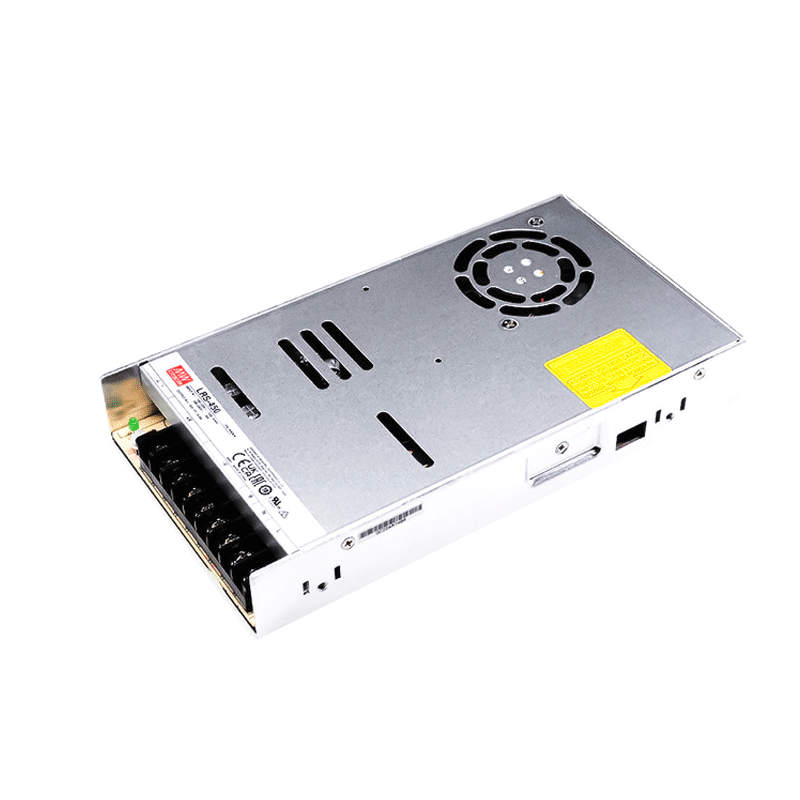
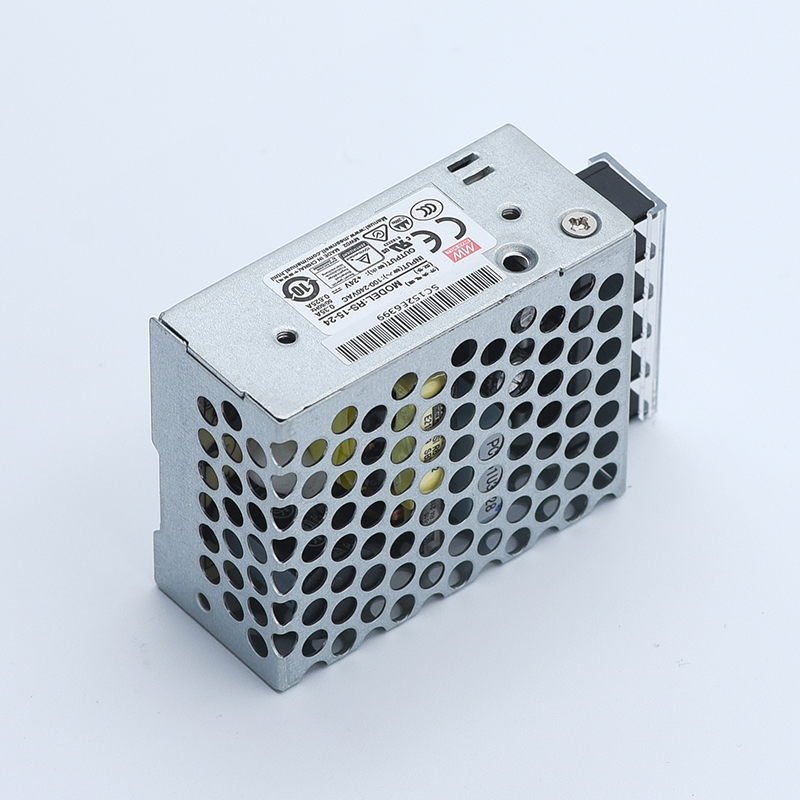
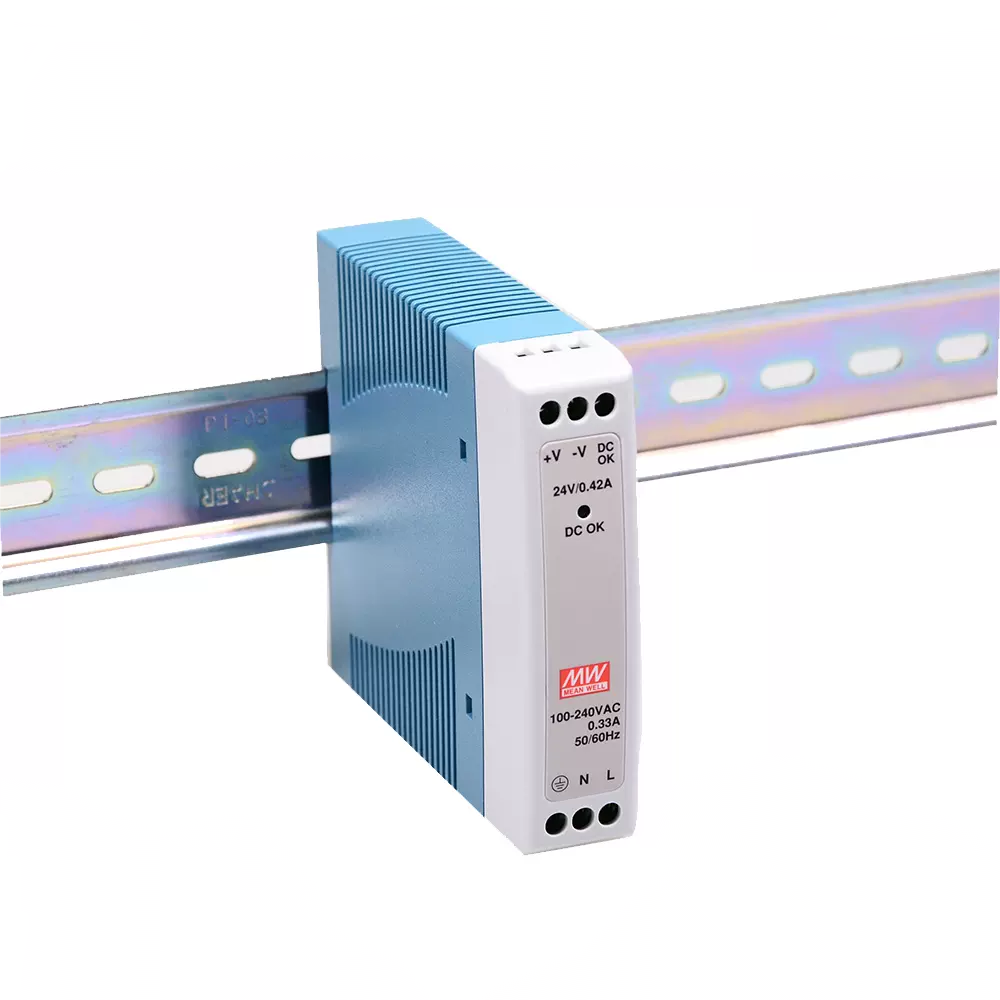
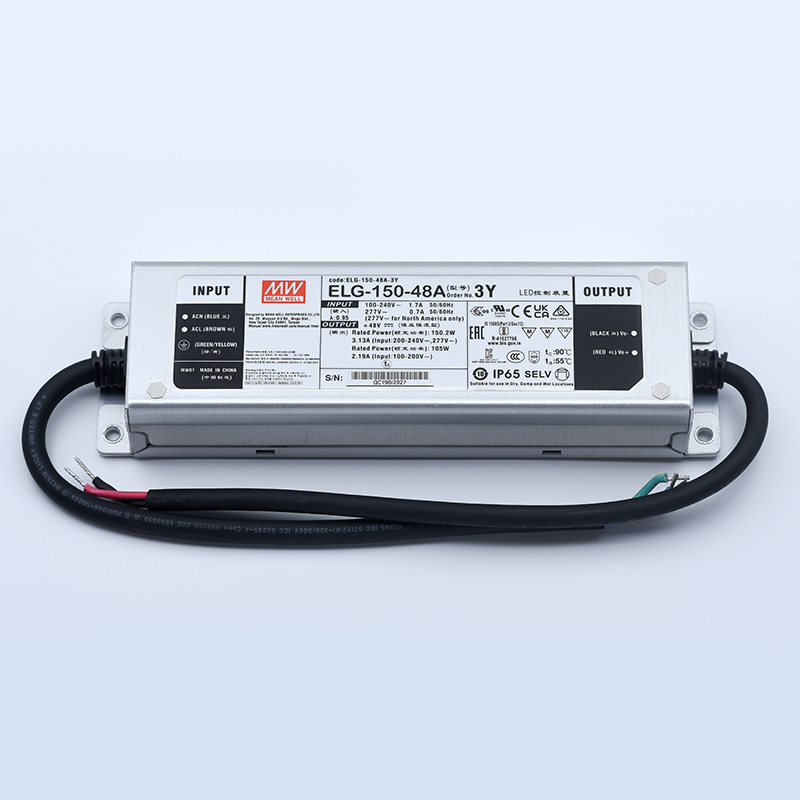
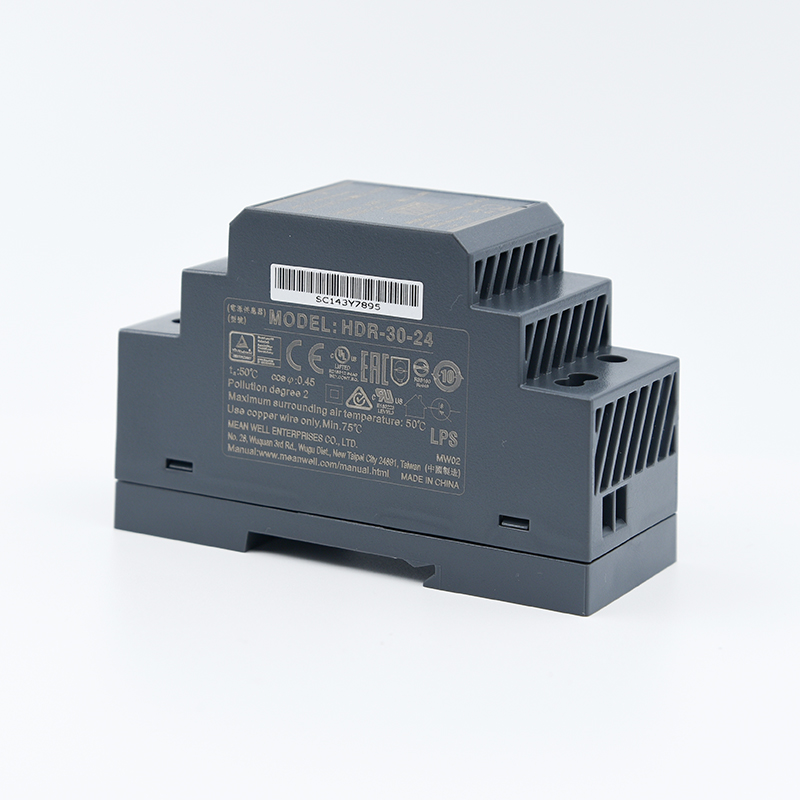
Next-Generation Industrial SMPS: Architecture & Topologies
A technical assessment of modern power topologies driving edge automation, robotics, and critical process infrastructure.
In modern industrial engineering, the switched-mode power supply (SMPS) is no longer treated merely as a passive component. It represents the foundation of electrical resilience across critical networks. As Industrial Internet of Things (IIoT) sensors, computer vision stations, synchronized servo systems, and distributed control nodes proliferate across production floors, incoming electrical disturbances such as sub-cycle dropouts, reactive line loads, harmonic feedback, and severe peak inrushes present persistent threats to system availability. Achieving clean, uncompromised DC voltage rails under variable temperatures (-40°C to +70°C) demands resilient converter topologies, active filtering, and sophisticated control loops.
Contemporary OEM equipment designs have largely shifted toward Gallium Nitride (GaN) and Silicon Carbide (SiC) wide bandgap semiconductor switches. In conjunction with resonant LLC half-bridge or full-bridge forward topologies, these materials unlock switching frequencies exceeding hundreds of kilohertz without precipitating severe thermal throttling. The immediate physical yield is higher power density within standard DIN-rail form factors (such as the TS-35/7.5 and TS-35/15 standard profiles), decreasing control cabinet footprint requirements while improving mean-time-between-failures (MTBF).
Active Power Factor Correction (PFC)
By enforcing continuous conduction mode (CCM) active boost stages, contemporary OEM supplies consistently maintain a Power Factor >0.95 across 90–264VAC universal input lines, neutralizing total harmonic distortion (THD <10%) in compliance with EN61000-3-2 Class A/D standards.
Dynamic Peak Load Margins
Inductive switching, pneumatic solenoids, and stepper motors demand momentary surge energy. Advanced architectures support short-duration over-current thresholds (up to 150%–200% reserve for 3 to 5 seconds) without collapsing the rail voltage or triggering nuisance latching.
Industrial Protection Matrix
Comprehensive safeguard networks comprising over-voltage clamping (OVP), hiccup/constant-current limiting (OCP), short-circuit recovery, and internal thermal sensor shutdowns (OTP) safeguard downstream logic ICs from fatal electrical transients.
Emerging Procurement & Technological Trends for 2025–2030
Strategic purchasing criteria for industrial OEMs, systems integrators, and global hardware distributors.
Strategic supply chain managers and lead electrical engineers are moving past unit-cost comparisons. Total Cost of Ownership (TCO), life-cycle efficiency, operational decarbonization, and supply integrity have become primary procurement metrics. Over the next five years, four fundamental shifts will define the global industrial power supply marketplace:
1. The Transition to Digitally Supervised Telemetry: Standard dry-contact DC OK relays are giving way to digital bus monitoring. Next-generation power supplies feature integrated PMBus, Modbus RTU, or IO-Link interfaces. These chips transmit real-time thermal telemetry, cumulative operational hours, ripple amplitude shifts, and real-time load patterns directly to enterprise SCADA platforms, enabling predictive maintenance prior to electrolytic capacitor wear-out.
2. Redundancy Optimization and Active Load Sharing: As automated warehousing and continuous-flow chemical plants eliminate scheduled maintenance windows, N+1 and N+M redundancy systems are mandatory. High-end series (such as the XDR-960E) incorporate integrated OR-ing MOSFET stages and internal parallel control signals, eliminating the thermal dissipation, footprint bulk, and voltage drops previously caused by external diode redundancy modules.
3. Compliance with Stricter Ecodesign and Standby Mandates: Global energy frameworks, including EU ErP Lot 7 and US DoE Level VI directives, mandate zero-load standby draws below 0.5W to 0.15W across embedded systems. OEM builders must specify supplies that preserve ultra-high conversion curves (>90%) even down to light-load conditions (10%–20%), avoiding parasitic energy losses across massive plant installations.
| Evaluation Parameter | Legacy Industrial SMPS | Next-Gen OEM Standard (Belmo Portfolio) | Impact on System Architecture |
|---|---|---|---|
| Primary Switching Silicon | Standard Silicon MOSFETs | Wide-Bandgap Gallium Nitride (GaN) / SiC | Up to 35% chassis reduction, higher frequency, cooler operation |
| Conversion Efficiency | 82% – 88% | 91% – 95% across broad loading curves | Drastic reduction in cabinet thermal extraction / cooling requirements |
| Health Diagnostics | Binary LED / Passive Relay Contact | IO-Link / PMBus / Diagnostic Status Ports | Continuous IIoT condition monitoring, predictive MTBF warnings |
| Transient Immunity | EN 61000-4-5 Level 2 (1kV/2kV) | EN 61000-4-5 Level 4 (4kV/2kV surge immunity) | Immunity against high-energy outdoor surges and factory inductive kicks |
| Environmental Sealing | IP20 Vented Enclosures | IP67/IP68 Potting Options (HLG/ELG Series) | Immunity to chemical washdowns, particulate fouling, and corrosive salt mist |
Enterprise Strengths: Shenzhen Belmo Technology Co., Ltd.
Global procurement infrastructure certified by third-party verification, engineering validation, and direct-line traceability.
Headquartered in the advanced hardware manufacturing hub of Shiyan Subdistrict, Shenzhen, Shenzhen Belmo Technology Co., Ltd. serves tier-one systems integrators, mechanical engineering contractors, and electronics distribution networks across more than 50 countries. Our operations combine direct distribution channels with an in-house engineering laboratory to ensure enterprise-grade quality control.
SGS-Verified Operation
Our business premises, export qualifications, physical testing facilities, and corporate integrity are on-site verified and audited by SGS. We eliminate broker risks by maintaining clear supply channels and authentic inventories.
100% Pre-Shipment Burn-In
Every dispatch batch undergoes strict optical verification of factory labels and serialized barcodes, followed by benchtop full-load power-on stress testing and ripple checks before master carton palletization.
Low MOQ & Engineering Kits
Recognizing the requirements of prototyping and field maintenance, we provide flexible low Minimum Order Quantities (1 to 5 units per item) spanning AC/DC enclosed, DIN rail, IP67 drivers, and pure sine wave inverters.
Frequently Asked Questions (FAQ)
Direct technical answers addressing authenticity verification, electrical safety standards, lead times, and thermal management.
How does Belmo ensure 100% authenticity of original power units?
Every single unit distributed by Belmo is procured via authorized production lines with intact laser-etched batch identifiers, original serial codes, and verifiable factory packaging. Clients can independently verify serial codes directly with the original factory system, and our SGS-audited trade record affirms our strict zero-counterfeit policy.
What international safety certifications accompany shipments?
Depending on the series specified (e.g., LRS, MDR, NDR, HLG, or XDR), our hardware holds comprehensive compliance files including UL62368-1, UL508 (industrial control equipment), TUV EN62368-1, CE-LVD, CB schemes, EAC, and SAA. Official compliance certificates, DoC (Declaration of Conformity), and full component datasheets are delivered alongside prototype orders.
How should derating curves be factored into cabinet thermal design?
Most industrial SMPS units output 100% rated power from -20°C up to +50°C. Above 50°C, linear output derating of 2.5% per degree Celsius is typically necessary, down to 50% capacity at +70°C ambient temperatures. For sealed enclosures without forced convection fans, our engineering desk advises sizing standard loads at 70%–80% of rated nominal power to extend capacitor operational lifetime.
What are the global export packing and lead-time guarantees?
In-stock models ship from our Shenzhen warehouse within 24 to 48 hours via DHL, FedEx, air freight, or ocean consolidations. Units are packed in anti-static moisture barriers, drop-tested inner support cartons, and reinforced outer master boxes with corner-edge protectors to ensure transit resilience.