Standard & Custom Industrial Power Delivery Systems
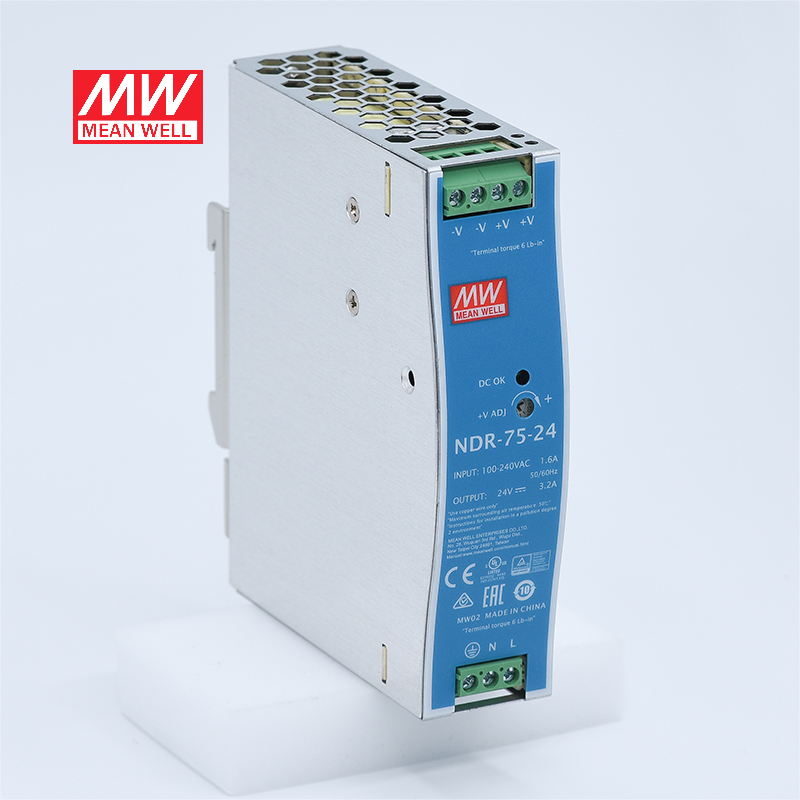
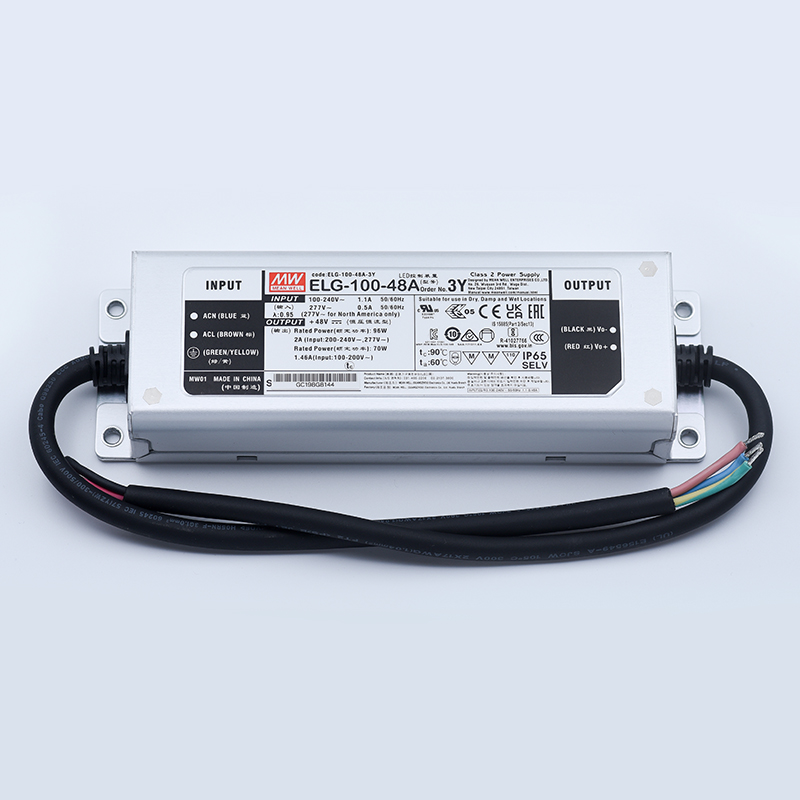
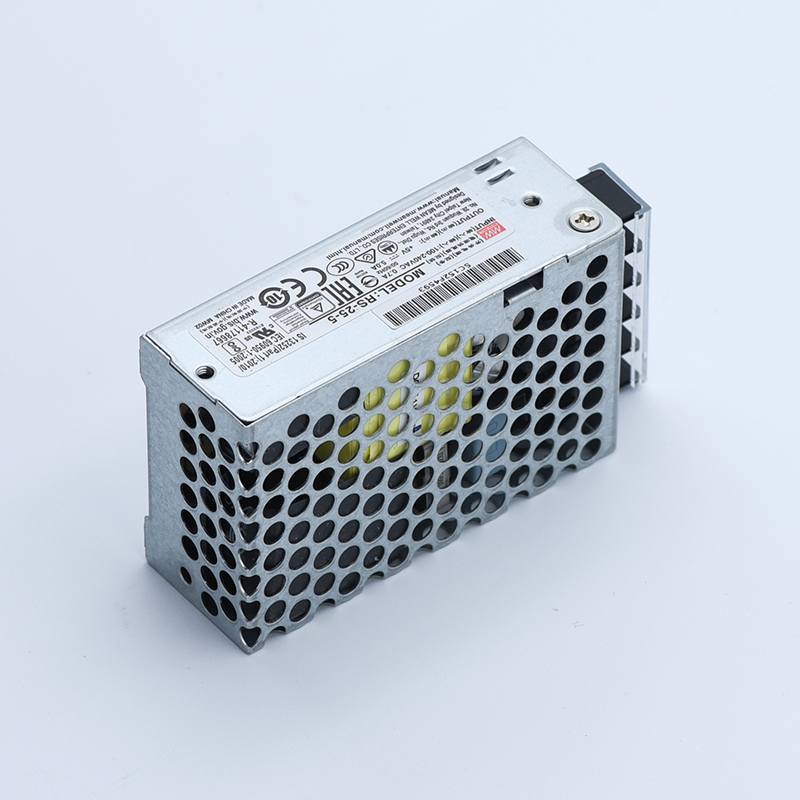
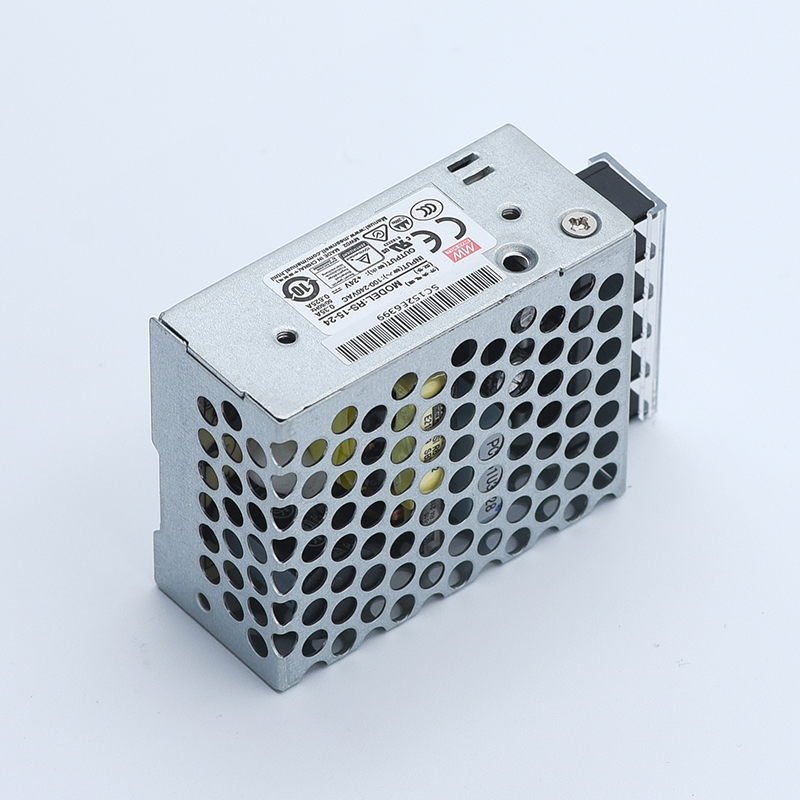
Explore our core selection of DIN rail power supplies, constant voltage drivers, and compact switching topologies optimized for automation cabinets, edge computing, and distributed field telemetry.
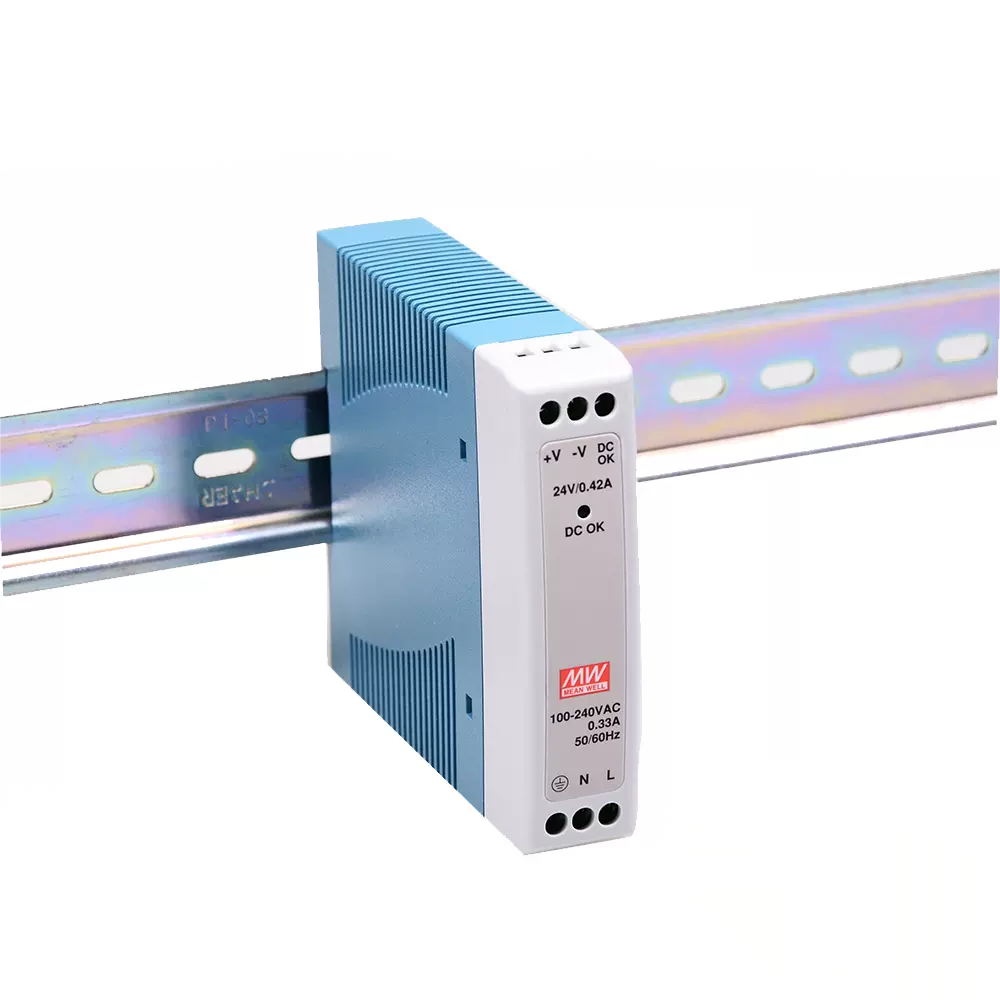
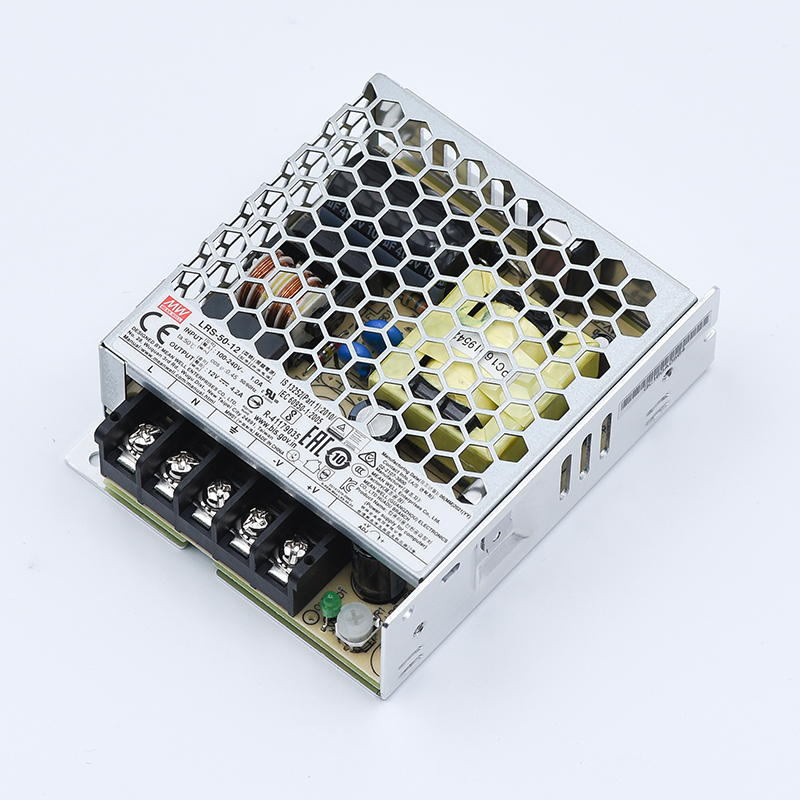
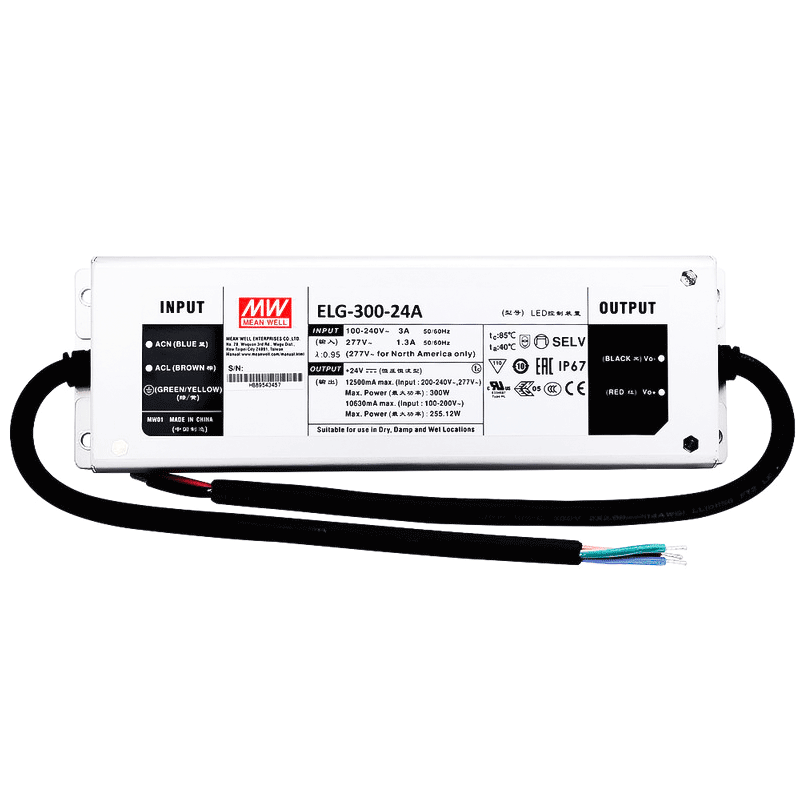
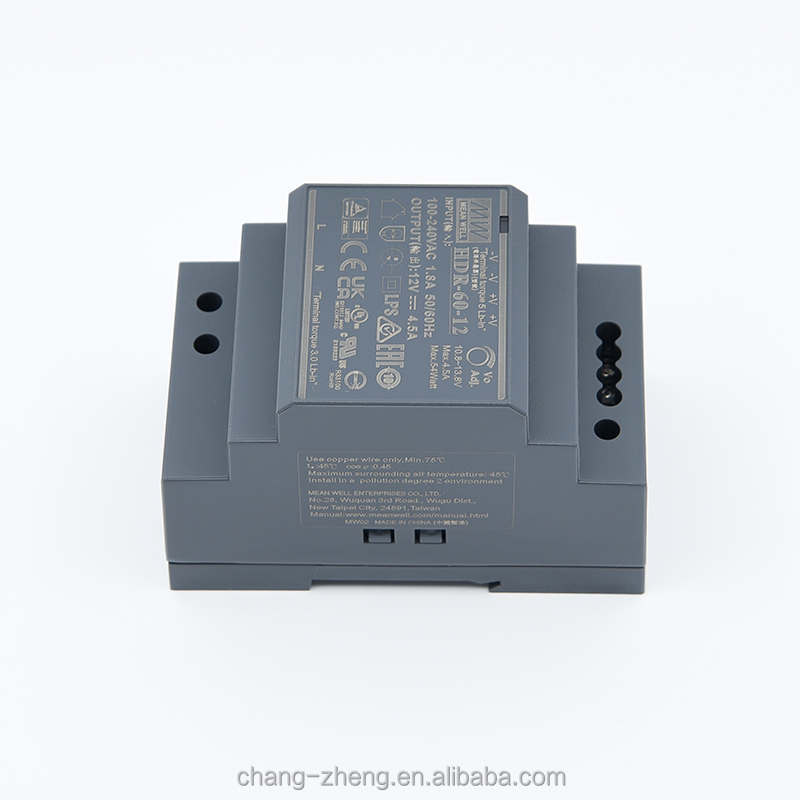
Shenzhen Belmo Technology OEM/ODM Engineering Edge
Direct from Shiyan, Shenzhen—the global epicenter of advanced power electronics. We bridge precision manufacturing with tailored commercial terms to secure your system uptime.
SGS On-Site Audited Supplier
Physical plant operations, commercial legitimacy, and supply networks verified by SGS, providing tier-one assurance for international contract manufacturing and procurement.
Traceable Factory Authenticity
Complete traceability on all switching power supplies, DIN rail modules, and LED drivers. Standardized batch verification protects your downstream brand reputation.
Flexible Low MOQ Dispatch
Support prototype validation, pilot installations, and multi-SKU consolidated shipments starting from 1 to 5 units per line item, reducing working capital drag.
Multi-Standard Compliance
Engineered to satisfy CE, UL, CB, EAC, and SAA regulatory frameworks, ensuring cross-border compliance across North American, European, and Asia-Pacific industrial corridors.
Comprehensive Engineering Guide: The Strategic Role of DIN Rail DC-DC Converters in Industrial Automation
As modern factory automation, rail transportation, telecommunications hubs, and edge processing microgrids scale in complexity, managing distributed DC power within control cabinets has emerged as a mission-critical design priority. A DIN Rail DC-DC converter serves as the stabilizing heartbeat between intermediate DC bus distribution lines (such as unregulated 24V, 48V, or 110V battery strings) and sensitive electronic loads including programmable logic controllers (PLCs), human-machine interfaces (HMIs), industrial IoT edge gateways, actuators, and signal conditioning sensors.
Unlike standard board-level converters, industrial DIN rail DC-DC modules are engineered for mounting on standard TS-35/7.5 or TS-35/15 symmetrical rails. They combine galvanic isolation, heavy-duty surge suppression, electromagnetic shielding, and conduction/convection cooling inside slim, flame-retardant enclosures. System engineers utilize these converters not only for stepped-up or stepped-down voltage levels, but specifically to eliminate ground loops, isolate harmful electrical transients generated by heavy motor switching, and regulate line drop along expansive infrastructure cables.
Architectural Challenges: Isolation, Noise Attenuation, and Dynamic Thermal Realities
Specifying a DC-DC converter for industrial DIN rail deployment demands careful evaluation of real-world environmental stressors. Industrial enclosures frequently face ambient internal temperatures exceeding 60°C due to dense packing of variable frequency drives (VFDs) and contactors. Under these conditions, an inferior DC-DC converter rapidly suffers thermal throttling, excessive ripple voltage, or premature degradation of internal electrolytic capacitors.
- Galvanic Isolation Rating: High-integrity converters feature input-to-output isolation typically rated at 1.5kVAC to 4kVAC (or 2.1kVDC to 5.6kVDC). This isolation creates a solid safety barrier, mitigating common-mode noise and protecting low-voltage control units from massive back-EMF spikes during heavy inductive load cutoffs.
- Wide Input Voltage Windows (2:1 and 4:1 Ratios): In railway and battery-backed applications, system voltages fluctuate violently. An ultra-wide input window (such as 9–36VDC, 18–75VDC, or 43–160VDC) guarantees uncompromised output regulation whether a battery bank is undergoing float charging or experiencing significant cranking drops.
- Conducted & Radiated EMC Suppression: Integrated Class B EMI filters (complying with EN55032 and CISPR32) prevent high-frequency switching noise from leaking onto the central DC bus, protecting sensitive communication protocols such as RS-485, CANbus, and Industrial Ethernet.
Procurement Trends: What Technical Buyers Must Anticipate
The global demand for high-reliability DIN rail DC-DC converters is being redefined by four macro trends in hardware engineering:
- Transition to Silicon Carbide (SiC) and Gallium Nitride (GaN): Wide bandgap semiconductors are replacing silicon MOSFETs in primary switching loops. This transition unlocks switching frequencies beyond 200kHz, allowing magnetic transformers to shrink dramatically while elevating full-load power conversion efficiency beyond 94%.
- Space Compression & Modular Slimness: As control cabinets incorporate denser sensor arrays, the physical footprint per rail inch has become a high-value engineering commodity. Modern 60W to 120W DC-DC converters must achieve form factor widths of 32mm or less without sacrificing convection thermal dissipation.
- Integrated Diagnostic Telemetry (PMBus & IO-Link Ready): Enterprise automation infrastructure now mandates proactive operational diagnostics. Predictive maintenance requires real-time telemetry on output current draw, internal operating temperatures, and input voltage variations over digital communication buses prior to catastrophic field shutdowns.
Future Purchasing & Sourcing Trends in Industrial Power
Anticipate shifts in supply chain dynamics, thermal management, and regulatory compliance to lower your Total Cost of Ownership (TCO) across multi-year asset lifecycles.
Resilient Dual-Source OEM Frameworks
Global procurement teams are shifting away from sole-sourced custom architectures toward standardized footprints with pin-compatible OEM/ODM platforms. This mitigates geopolitical lead-time disruptions while maintaining mechanical drop-in compatibility across international control panels.
Green Building & Class II Energy Efficiency
With stringent global mandates on standby power losses and carbon footprints (ErP Lot 7 and eco-design standards), buyers actively specify converters exhibiting no-load power consumption below 0.1W and flat efficiency curves from 20% to 100% rated capacity.
Smart Microgrids & BESS Integration
The proliferation of Battery Energy Storage Systems (BESS) and distributed DC microgrids necessitates bidirectional power conversion and broad DC bus support (from 48V telecom up to 800V DC bus rails), driving unified multi-tier power conditioning strategies.
Frequently Asked Questions on DIN Rail DC-DC Converter Sourcing
Direct engineering answers addressing critical purchasing inquiries, custom fabrication protocols, and compliance verifications.
What distinguishes an OEM/ODM DIN rail DC-DC converter from off-the-shelf AC-DC modules?
An OEM/ODM DIN rail DC-DC converter is specifically optimized to accept a dedicated DC voltage source (such as 12VDC, 24VDC, 48VDC, or 110VDC) and deliver a regulated, galvanically isolated DC rail to field devices. Unlike standard AC-DC units that include large input bridge rectifiers and high-voltage bulk capacitors, DC-DC topologies optimize their magnetics and input filtering strictly for low-to-medium DC currents, resulting in superior power density, minimized ripple, and tailored transient suppression for industrial bus systems.
How should procurement teams evaluate derating curves in compact cabinet installations?
Converters installed on TS-35 rails often operate in confined cabinets alongside heat-generating components. Buyers must review the operational derating curves in the official datasheet. Standard high-reliability models provide full 100% rated output up to 50°C or 55°C, derating linearly to 50% power at 70°C under free-air natural convection. If forced-air cooling is unavailable, engineers must size the continuous power requirement so the unit operates within its nominal, non-derated thermal window to ensure 100,000+ hour MTBF.
Can Shenzhen Belmo provide customized output voltages or connector variations?
Yes. Through our specialized engineering and factory partner channels, we provide comprehensive OEM/ODM customization services. This includes calibrated output voltages (e.g., non-standard 15V, 28V, or 36V trims), specialized conformal coating for tropical or offshore marine environments, spring-clamp vs. screw terminal blocks, and custom branding labels with pre-assigned serial numbers for effortless field maintenance tracking.
What quality verification safeguards are enacted prior to international shipment?
Every shipment undergoes rigorous outgoing quality control (OQC). This includes visual verification of laser markings, terminal screw integrity, mechanical latch tolerances on the TS-35 clip, followed by 100% full-load electrical burn-in testing. Customers can request formal pre-shipment photographic inspections, Certificate of Conformance (CoC) documentation, and batch factory test reports before container or express dispatch.
How do you handle MOQ restrictions for custom engineering pilot trials?
To support agile prototyping and machine development cycles, standard stock products carry a low MOQ from 1 to 5 pieces. For semi-custom or OEM/ODM modified specifications, low-volume trial runs (starting from small engineering sample batches) are fully supported to confirm electrical compatibility before scaling into full production runs.