High-Performance Power Supplies & Switching Modules
Engineered for high-duty cycles, superior mean time between failures (MTBF), and absolute compliance with worldwide EMC and electrical isolation safety benchmarks.
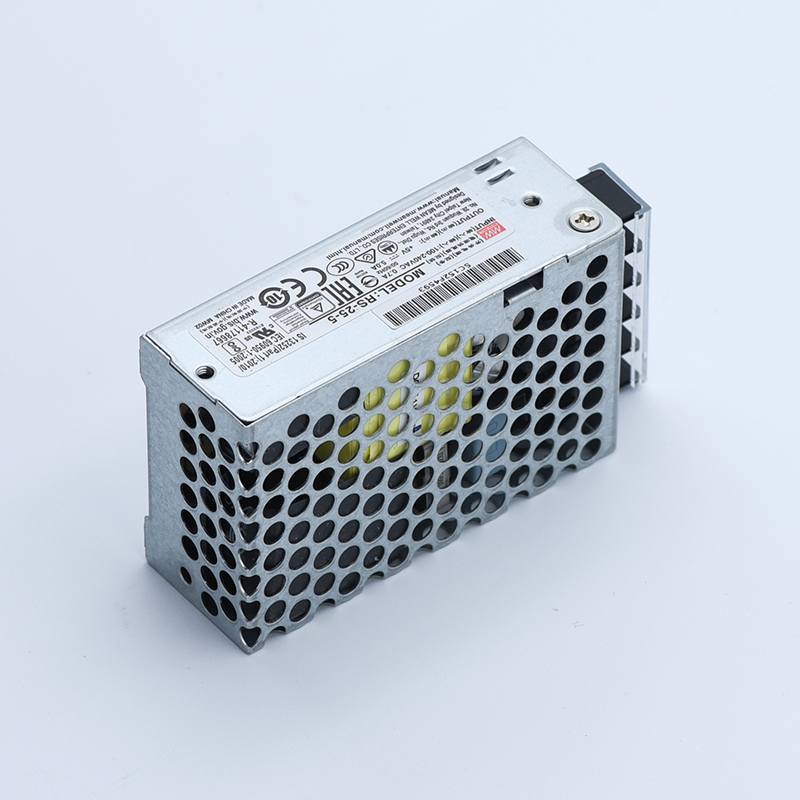
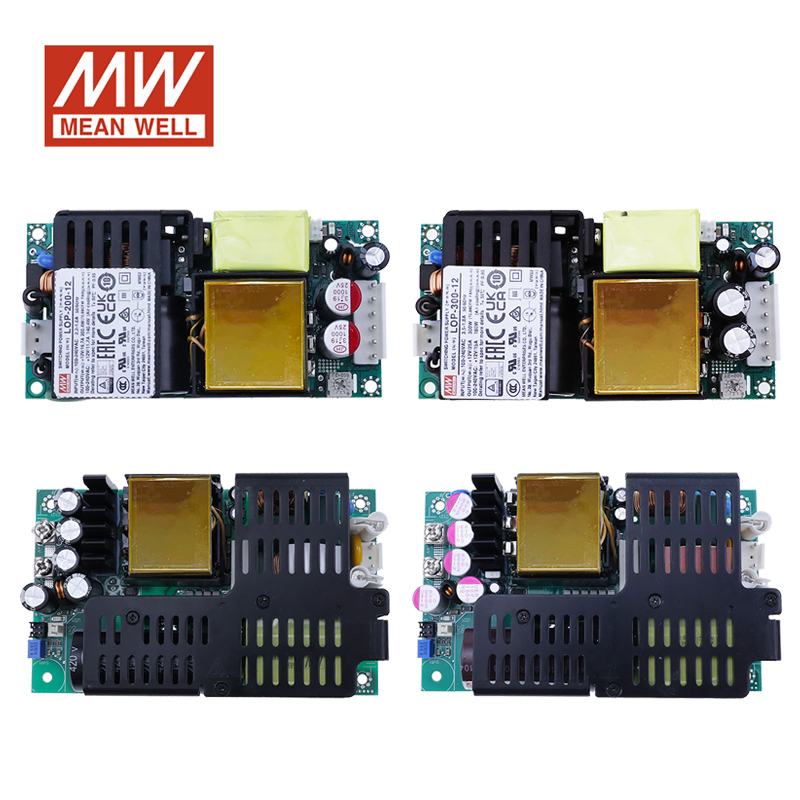
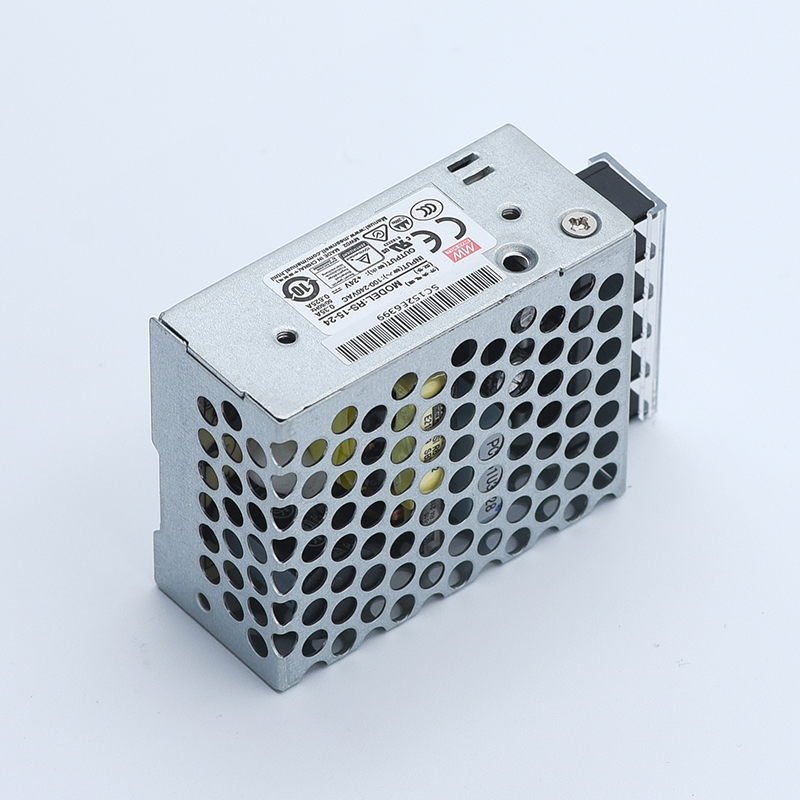
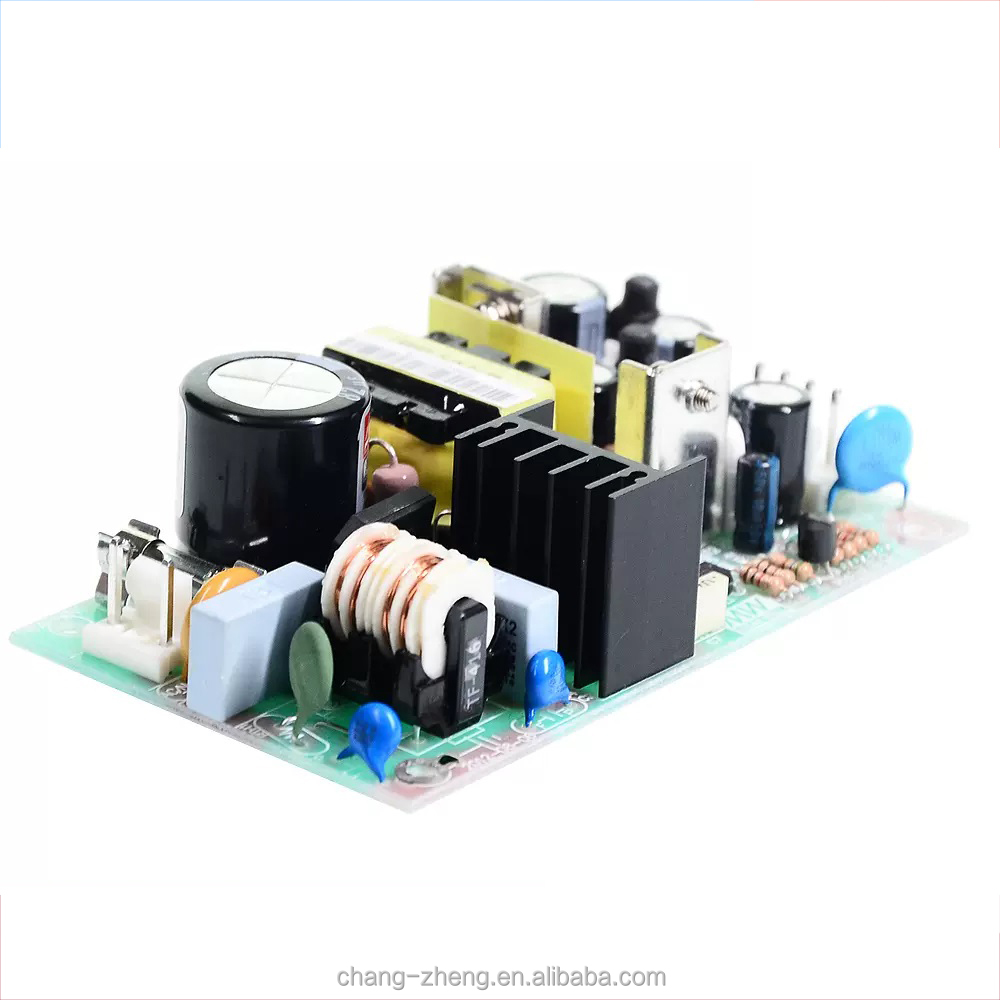
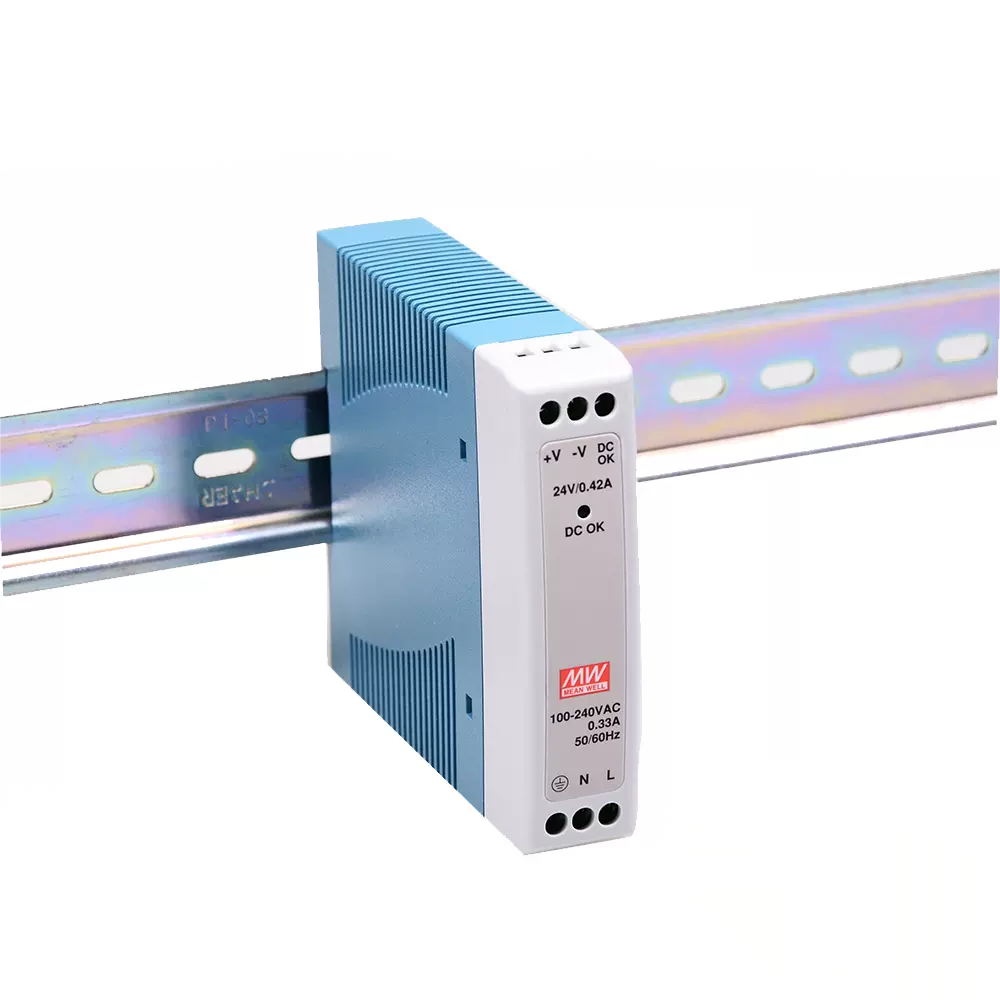
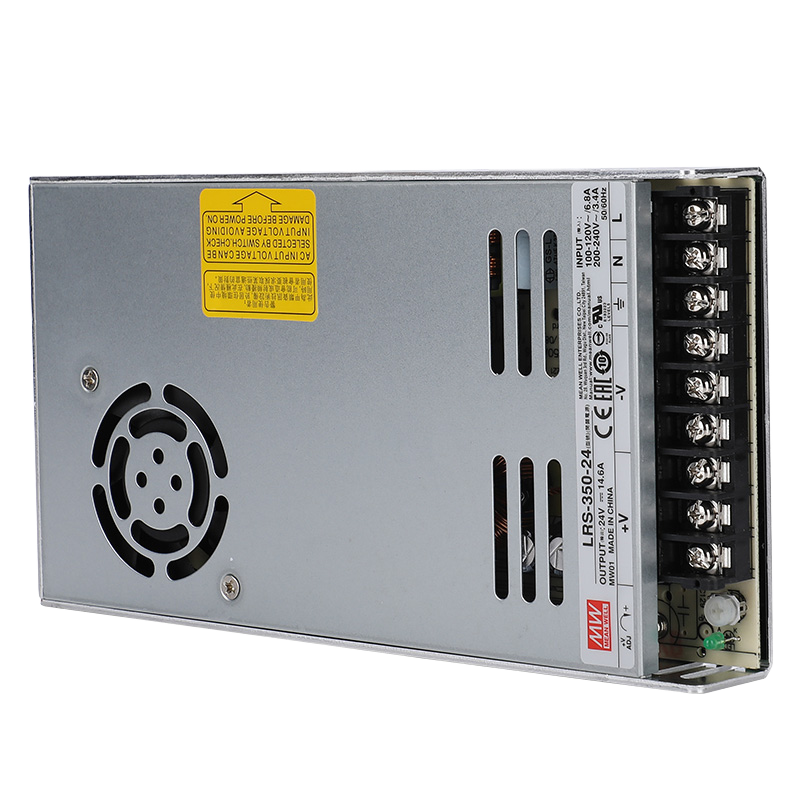
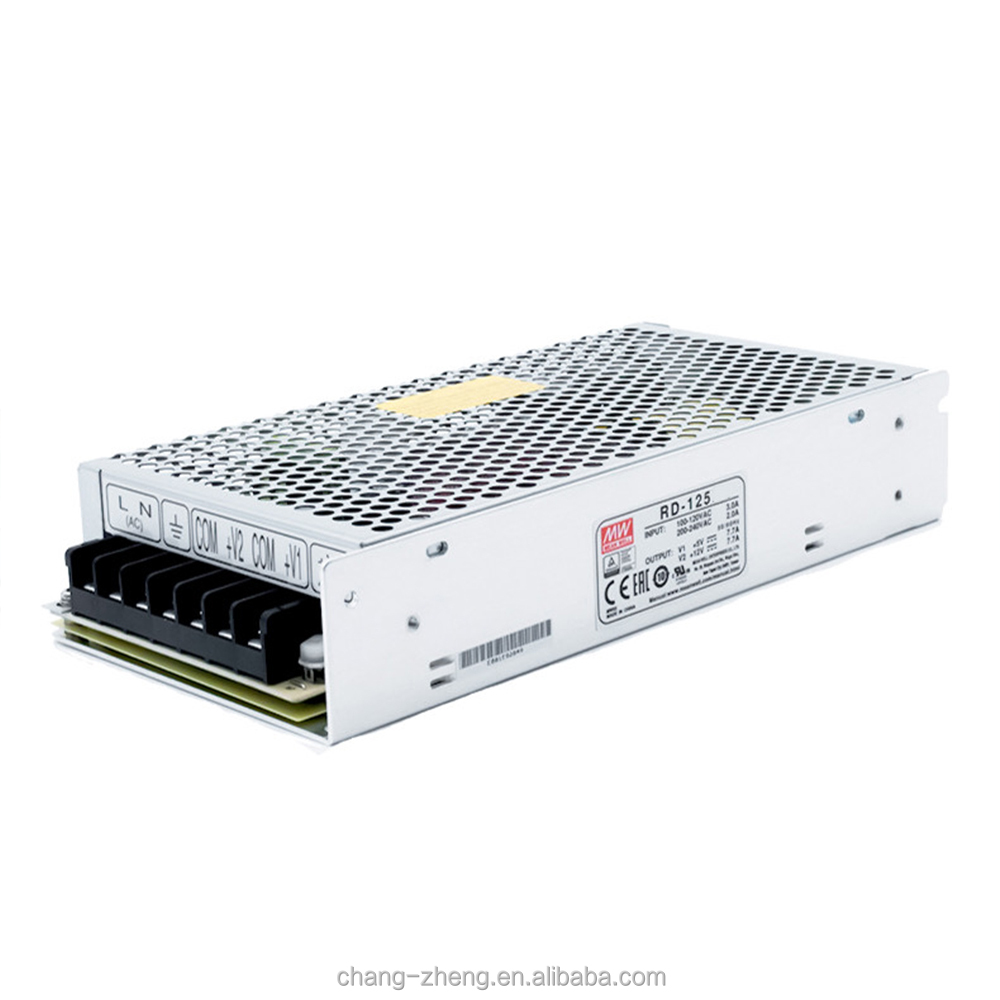
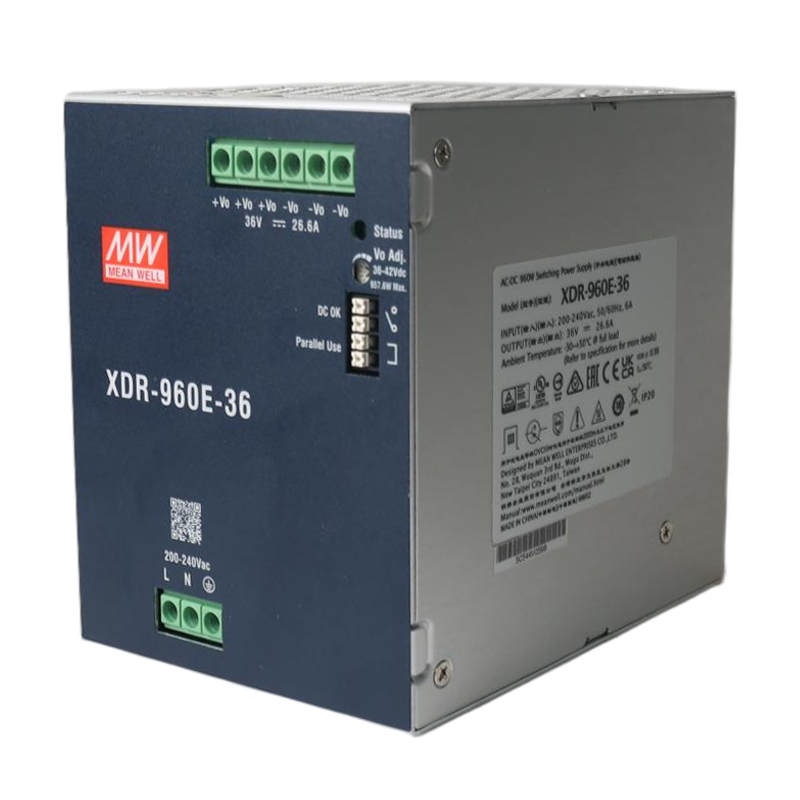
Enterprise Advantages & Engineering Supply Architecture
Strategically headquartered in the Shenzhen electronics innovation cluster, Shenzhen Belmo Technology bridges state-of-the-art power electronics manufacturing with verified supply chain governance.
Original Factory Authenticity & Traceability
Every industrial power supply, enclosed SMPS, and LED driver shipped from our warehouse is verified genuine. Serial numbers are indexed to factory batches, eliminating counterfeit risks in mission-critical medical, automation, and telecommunication hardware.
Comprehensive Turnkey OEM/ODM Engineering
From custom topology modifications (Flyback, Forward, Half-Bridge LLC) and specific cable-harness assemblies to IP-rated environmental potting and tailored chassis extrusions, our application engineering team assists procurement directors from schematic review to volume rollout.
Rigorous In-House Diagnostic Infrastructure
Equipped with programmable precision DC sources, multi-channel electronic loads, digital power meters, and automated oscilloscopes, our testing facility ensures all units exhibit compliant ripple-noise characteristics, tight load regulation, and robust transient response prior to dispatch.
Power Electronics Evolution: Topologies, Wide-Bandgap & Digital Architectures
An in-depth technical analysis of conversion topologies, semiconductor integration, and thermal management reshaping switched-mode power supplies (SMPS) for high-efficiency infrastructure.
Wide-Bandgap (GaN & SiC) Transition
The transition from planar silicon MOSFETs to Gallium Nitride (GaN) and Silicon Carbide (SiC) high-electron-mobility transistors (HEMTs) represents a profound paradigm shift. Wide-bandgap devices offer order-of-magnitude reductions in gate charge ($Q_g$) and output capacitance ($C_{oss}$), allowing switching frequencies to increase from the traditional 65–100 kHz band up to 500 kHz–1 MHz. This frequency escalation directly reduces the physical volume of planar transformers, inductors, and bulk filter capacitors, pushing power densities beyond 25–35 W/in³ while minimizing switching losses and internal heat accumulation.
Resonant LLC & Active Clamp Topologies
To eliminate high-frequency switching stress and parasitic ringing, state-of-the-art power supplies rely on resonant architectures such as Half-Bridge LLC converters with Zero Voltage Switching (ZVS) and Zero Current Switching (ZCS). In synchronous rectification stages, low on-resistance ($R_{DS(on)}$) MOSFETs replace conventional Schottky barrier diodes, curbing conduction losses. Furthermore, Active Clamp Flyback (ACF) topologies recover transformer leakage energy that was previously dissipated across passive RCD snubber networks, raising system efficiency across 20% to 100% load profiles above 94%.
Digital Control & PMBus Telemetry
Modern power architectures increasingly implement Digital Signal Controllers (DSC) and ARM Cortex-M based cores to replace analog PWM feedback loops. Digital loop compensation allows dynamic tuning of PID parameters across varying load regimes, delivering optimized transient response times without phase-margin degradation. Standardized digital buses (PMBus, I2C, CANopen) empower host controllers to real-time monitor critical operational parameters—including output current, rail voltages, thermal junction hotspots, and cumulative operating hours—facilitating proactive predictive maintenance regimes.
Next-Generation Sourcing Trends & Compliance Roadmaps
How global regulatory transitions, lifecycle Total Cost of Ownership (TCO) assessments, and supply chain resilience dictate forward-looking OEM/ODM contracts.
Stringent Standby & Efficiency Standards
Global procurement teams must navigate evolving efficiency standards, migrating beyond US DoE Level VI and EU CoC Tier 2 to mandatory Ecodesign Lot 7 updates. Demands mandate no-load quiescent consumption under 0.075W (and increasingly <0.03W), alongside exceptional average four-point active efficiency and a mandatory 10% load minimum efficiency threshold.
Unified Universal Type-C PD 3.1 Integration
Industrial handhelds, edge gateways, test instrumentation, and portable medical hardware are standardizing on USB Power Delivery (USB-PD 3.1) Extended Power Range (EPR). Providing programmable voltage steps up to 48V at 5A (240W), single universal adapter platforms are replacing proprietary AC/DC wall plugs, drastically mitigating e-waste and supply fragmentation.
Electromagnetic Immunity (EMC) & Harsh Environments
Procurement specifications now frequently mandate industrial EMC compliance under EN 61000-6-2/EN 55032 Class B without requiring external chokes or ferrite beads. For harsh deployment, units require conformal coating (acrylic or silicone) against humidity and chemical particulates, continuous 5G vibration tolerance, and wide operating envelopes (-30°C to +70°C).
Supply Chain Dual-Sourcing & Traceability
Hardware procurement requires total component transparency to prevent production disruptions. Strategic suppliers must guarantee long product lifecycles (5–10 years availability) with strict Engineering Change Notices (ECN) and dual-source strategies for semiconductor driver ICs, optocouplers, and Japanese-grade electrolytic capacitors rated at 105°C.
Power Supply Selection & Architectural Comparison
Cross-reference primary electrical metrics across key power topologies to match your OEM application requirements.
| Architecture Type | Topology Scheme | Power Range | Typical Efficiency | Primary Application Matrix | Key Compliance Standards |
|---|---|---|---|---|---|
| Enclosed Switching (e.g., LRS, RS) | Flyback / Forward / Half-Bridge | 15W – 600W | 86% – 92% | Industrial automation, 3D printers, CNC control, LED displays | UL 62368-1, EN 55032 Class B, CE, EAC |
| DIN Rail Systems (e.g., MDR, NDR, XDR) | Flyback / Resonant LLC + Active PFC | 10W – 960W+ | 88% – 95% | Control cabinets, PLC racks, SCADA systems, building controls | UL 508, EN 61000-6-2, TS-35 Rail Mounting |
| Ultra-Low Profile Open Frame (LOP) | High-Density LLC Resonant + ZVS | 200W – 600W | 93% – 95.5% | Telecom rack systems, 1U servers, embedded compute, audio | IEC/EN 62368-1, 2x MOPP (Medical Class I/II) |
| Waterproof Outdoor Drivers (HLG, ELG) | Two-Stage Active PFC + Resonant LLC | 60W – 600W | 90% – 96% | Horticulture grow lights, high mast, architectural LED, EV charging | IP67/IP68, UL 8750, ENEC, 6kV/10kV Surge |
| Pure Sine Inverters (NTS Series) | High Frequency DC-AC Full Bridge | 250W – 3200W | 90% – 93% | Solar storage, off-grid utilities, emergency vehicles, marine telematics | EN 62368-1, FCC Class A/B, E-Mark |
Technical Frequently Asked Questions for Power Engineers & Buyers
Clear, definitive engineering answers addressing real-world integration, testing standards, and compliance inquiries.
FAQ 01 How are Ripple and Noise measured accurately in high-frequency switching units?
Per industry standard methodology, ripple and high-frequency noise spikes are evaluated using a 20 MHz bandwidth-limited oscilloscope. Measurements are taken directly across the output terminals using a short-ground-lead probe to eliminate inductive antenna pickup loops. A 0.1µF high-frequency ceramic capacitor paralleled with a 47µF low-ESR electrolytic capacitor is placed across the measurement point to emulate real-world load filtering.
FAQ 02 What is the significance of Active Power Factor Correction (PFC) above 75 Watts?
Under international standards (such as EN 61000-3-2 Class C and D), electrical devices consuming more than 75W must control harmonic distortion injected into the AC grid. Active PFC utilizes a boost regulator stage to align input current waveform phase with the sinusoidal input voltage, typically achieving a Power Factor (PF) > 0.95 and reducing Total Harmonic Distortion (THD) below 10%, preventing neutral conductor overheating in large-scale deployments.
FAQ 03 How should procurement teams interpret thermal derating curves?
Thermal derating curves illustrate maximum allowable output wattage as a function of ambient operating temperature. While a unit may be rated at 100W at 40°C or 50°C, operating at 60°C or 70°C often requires linear power derating down to 50% or 60% capacity under natural convection. Failing to account for derating leads to localized hot-spot generation within power MOSFETs and output electrolytic capacitors, halving component lifespan for every 10°C rise beyond rated limits (Arrhenius' Rule).
FAQ 04 What is the difference between Constant Current (CC) and Constant Voltage (CV) power supplies?
Constant Voltage (CV) supplies maintain a tightly regulated DC rail (e.g., 12V, 24V, 48V) while dynamically adjusting output current to match load impedance changes—ideal for LED strips with onboard resistive drop circuits and industrial logic controllers. Constant Current (CC) drivers dynamically adjust output voltage across a compliant range to maintain a fixed current flow (e.g., 350mA, 700mA, 1050mA), preventing thermal runaway in direct-driven LED arrays and specialized battery charging systems.
FAQ 05 How do Inrush Current Limiting circuits protect upstream infrastructure?
During initial cold turn-on, uncharged bulk filter capacitors exhibit near zero impedance, causing high inrush currents (often exceeding 40A to 60A for several milliseconds). Quality power supplies implement Negative Temperature Coefficient (NTC) thermistors, frequently paired with bypass relays in higher wattage platforms, to dampen turn-on surges. This prevents false tripping of upstream Miniature Circuit Breakers (MCB) and contact welding in system switches.
FAQ 06 What distinguishes 2x MOPP Medical isolation from standard ITE 62368-1 standards?
Under IEC 60601-1 (medical safety), 2x MOPP (Means of Patient Protection) requires 4000VAC galvanic isolation voltage between primary input and secondary output, 8mm creepage and clearance distances, and double insulation. Furthermore, leakage current to ground must remain exceptionally minute (typically <100µA or <10µA for cardiac-floating environments) to protect sensitive patients, whereas standard ITE/AV standard IEC 62368-1 allows higher touch-current tolerances and 3000VAC isolation.
FAQ 07 How is MTBF calculated and validated for industrial-grade power adapters?
Mean Time Between Failures (MTBF) is mathematically computed according to recognized standards such as MIL-HDBK-217F or Telcordia SR-332 (formerly Bellcore). Calculations synthesize failure rates ($\lambda$) of every passive, active, and magnetic component under specific thermal and electrical stress factors. Additionally, reliability is validated through Accelerated Life Testing (ALT) and continuous 100% full-load burn-in aging inside environmental chambers at elevated ambient temperatures.
FAQ 08 What international compliance marks are mandatory for worldwide export?
For cross-border deployment, power converters must hold recognized safety approvals: CE and UKCA for Europe and the United Kingdom (covering LVD, EMC, RoHS, and ErP regulations); UL/cUL recognized or listed marks for North America (UL 62368-1 for ITE, UL 8750 for lighting, UL 508 for industrial control); CB Scheme certification from an accredited NCB for reciprocal global acceptance; EAC for the Eurasian Economic Union; and SAA/RCM for Australia and New Zealand.
6-Stage Power Module Verification Protocol
Standardized manufacturing checkpoints ensuring uncompromised field stability, electrical safety, and batch-to-batch repeatability.
1. IQC Component Screening
Incoming Quality Control applies AQL sampling to all active power ICs, magnetic planar cores, and electrolytic capacitors. Electrolytic caps undergo ESR and leakage current testing before automated surface-mount placement.
2. Automated SMT & AOI Inspection
Surface Mount Technology (SMT) lines incorporate automated solder paste inspection (SPI) and Automated Optical Inspection (AOI) to eliminate tombstoning, insufficient fillets, and micro-bridging across fine-pitch IC pins.
3. Dynamic In-Circuit Testing (ICT)
Bed-of-nails ICT checks ensure proper impedance, track continuity, and polarity verification across all intermediate circuit sections prior to power-on stages, protecting downstream circuits from latent manufacturing defects.
4. 100% Elevated Thermal Burn-In
All complete power supplies are subjected to a rigorous 4 to 24-hour full-load thermal burn-in aging cycle inside elevated-temperature rooms (40°C–50°C), forcing infant mortality failures to occur within the factory, not in the field.
5. Automated Final Test (ATE)
Computer-controlled Chroma ATE stations evaluate essential dynamic performance criteria: input line regulation, load regulation, active PFC efficiency, over-voltage (OVP), over-current (OCP), and short-circuit auto-recovery response.
6. Dielectric Hi-Pot & Safety Audit
Every unit undergoes 100% automated High-Potential (Hi-Pot) insulation breakdown testing (up to 3.75kVAC–4kVAC primary-to-secondary) and ground continuity validation before serial labeling, packing, and dispatch.