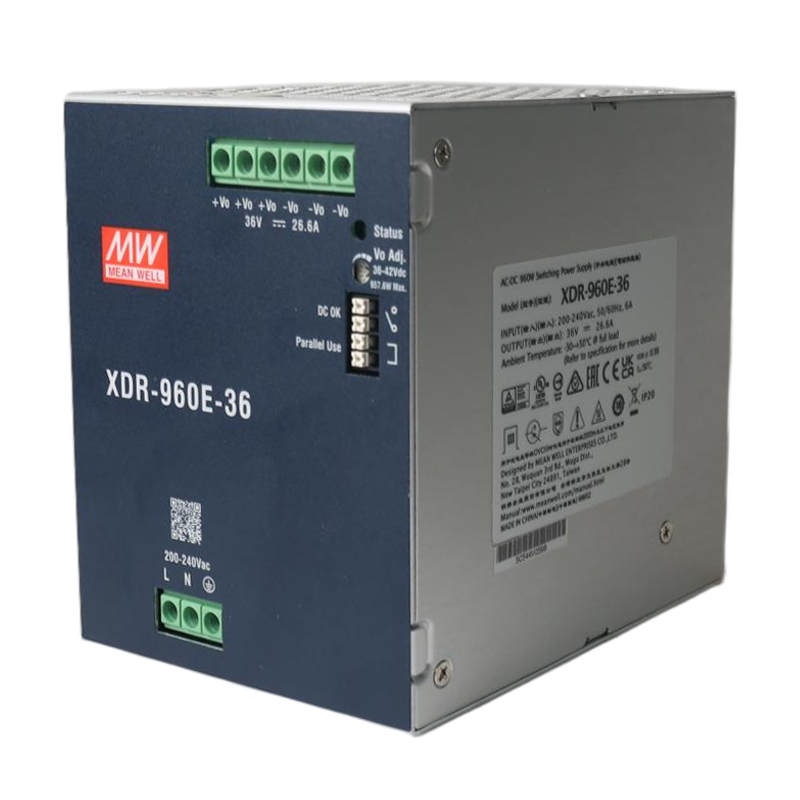
960W High Power
Current Share
Directly sourced original MEAN WELL constant voltage, constant current, and DIN-rail architecture units configured for global mission-critical infrastructure.
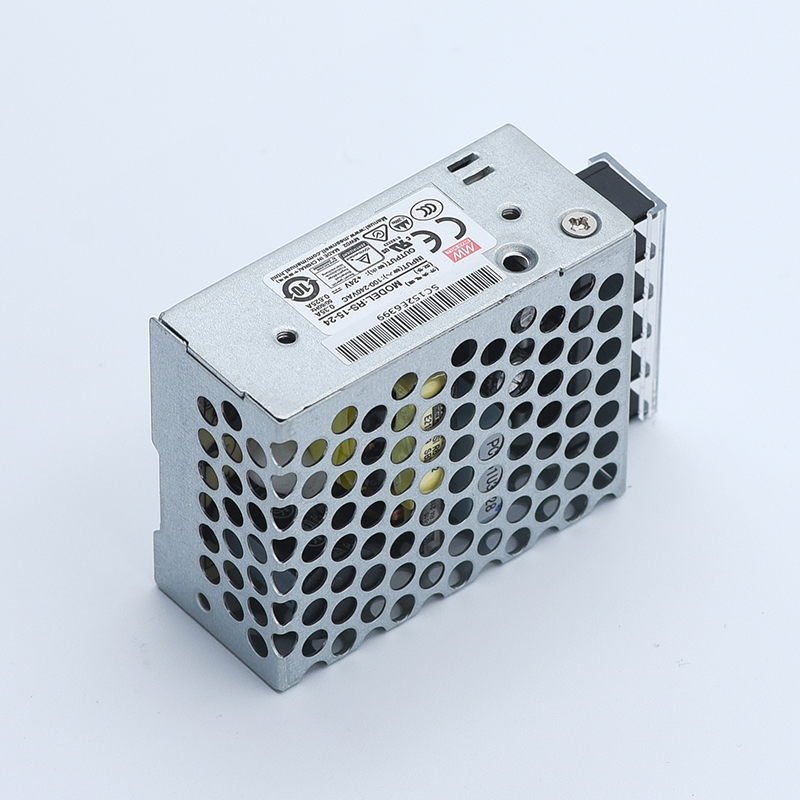
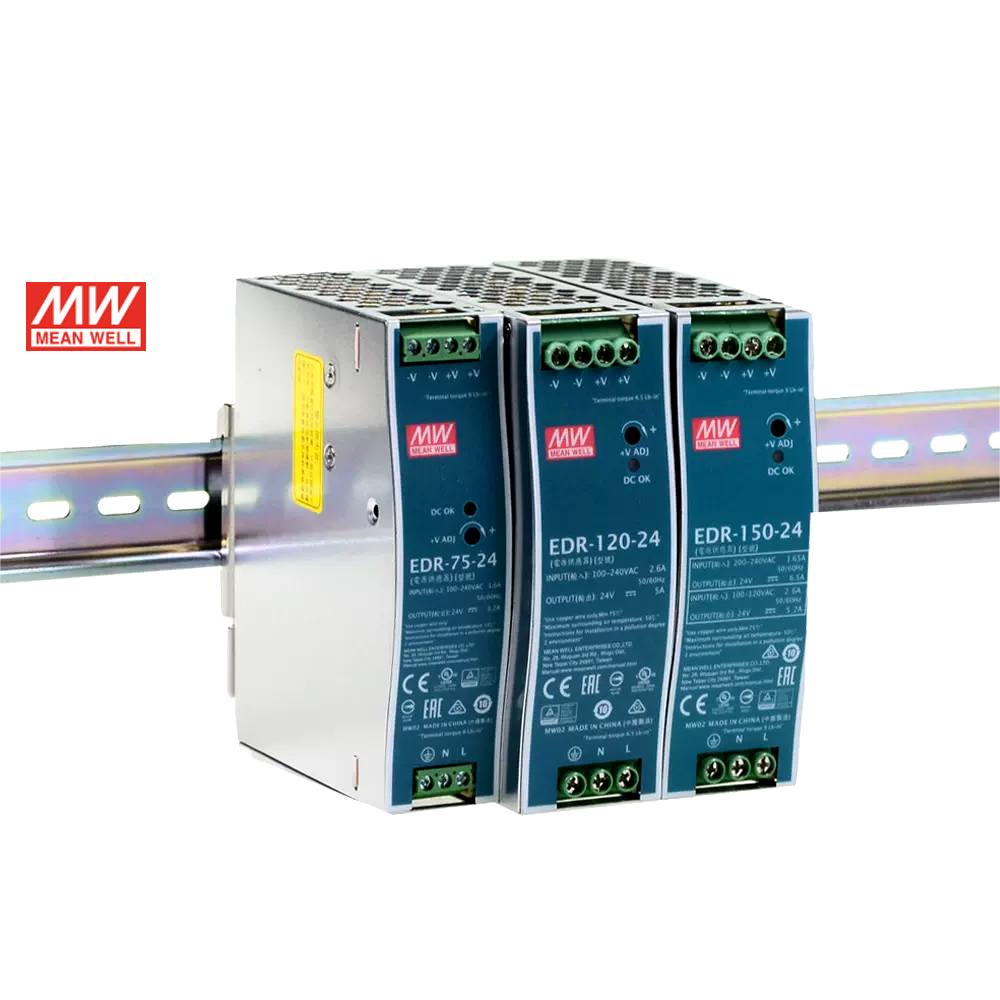
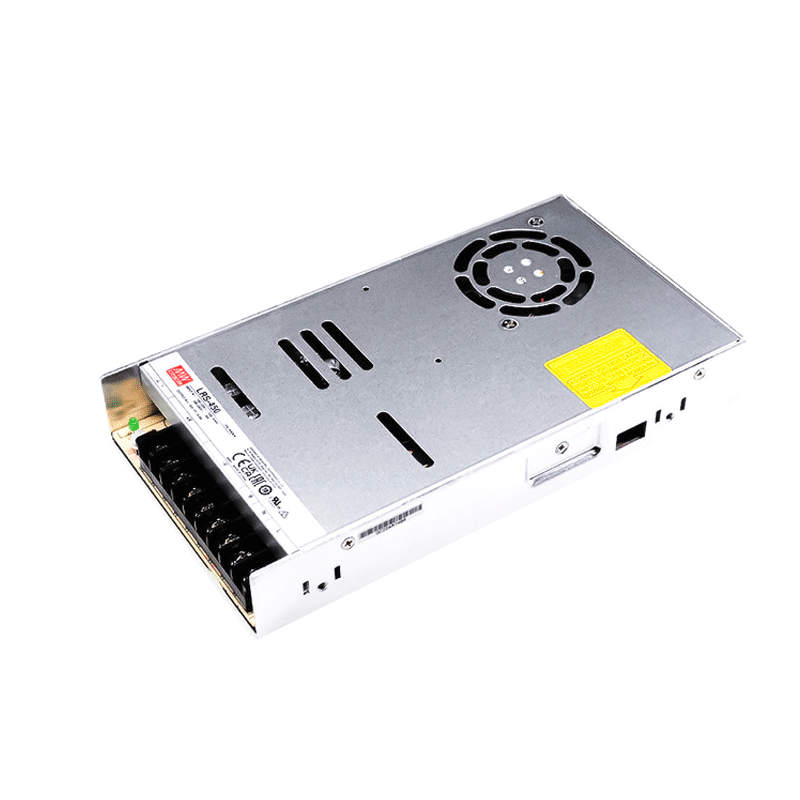
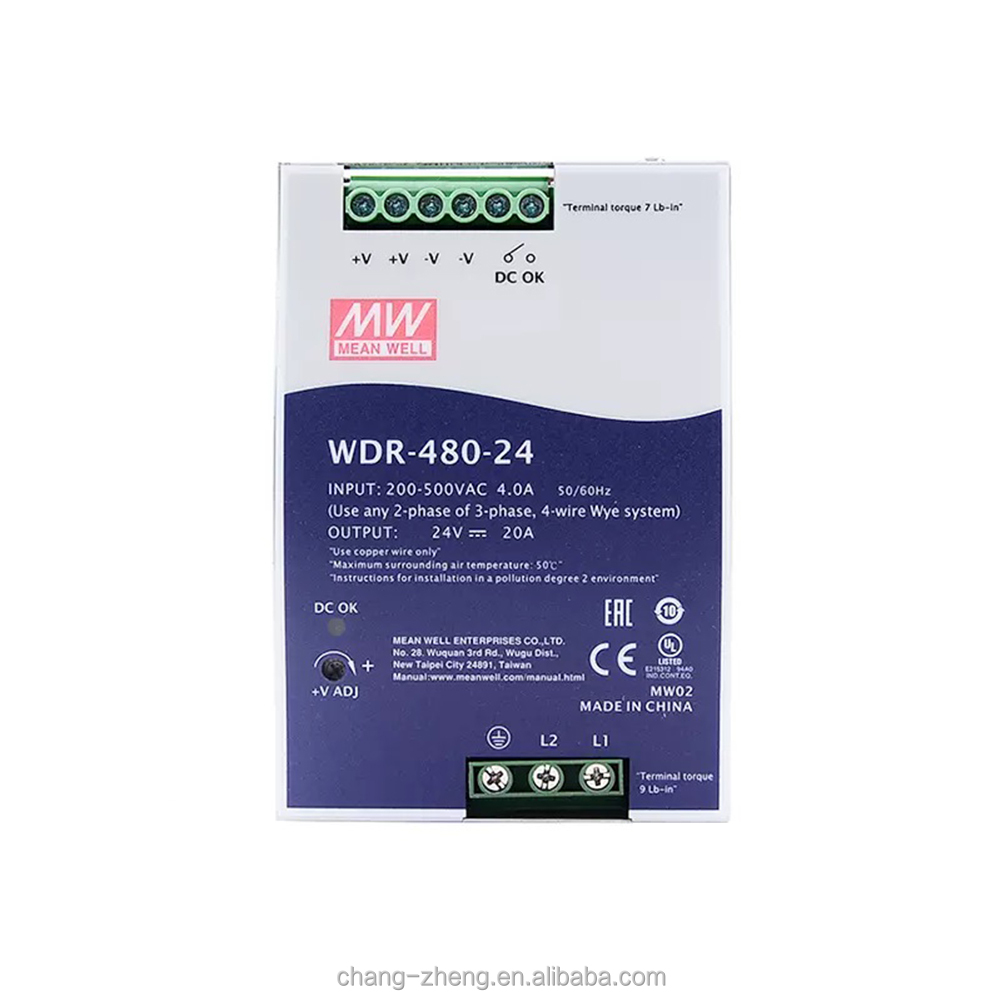
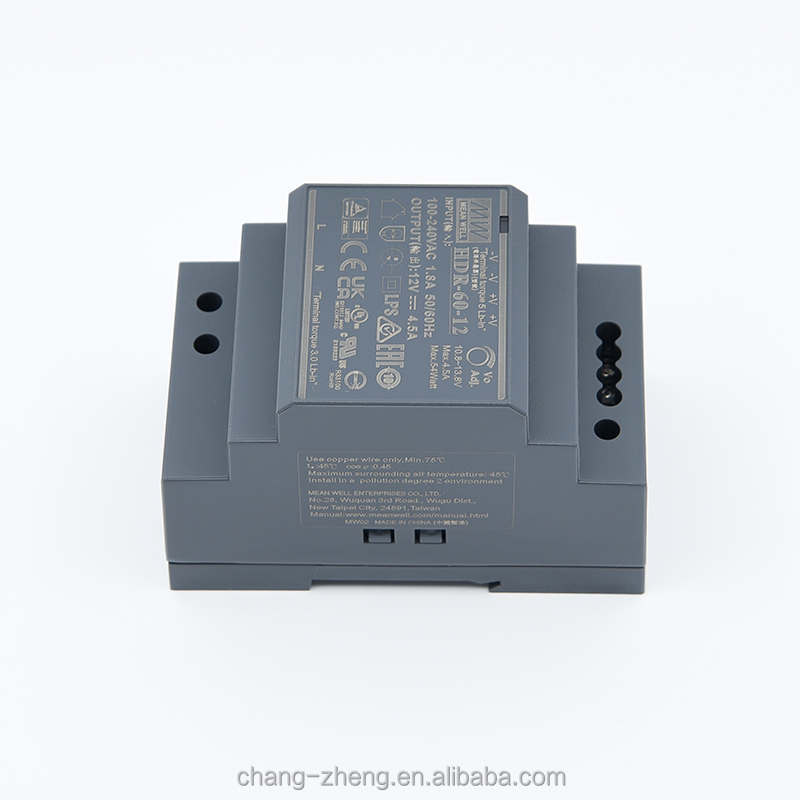
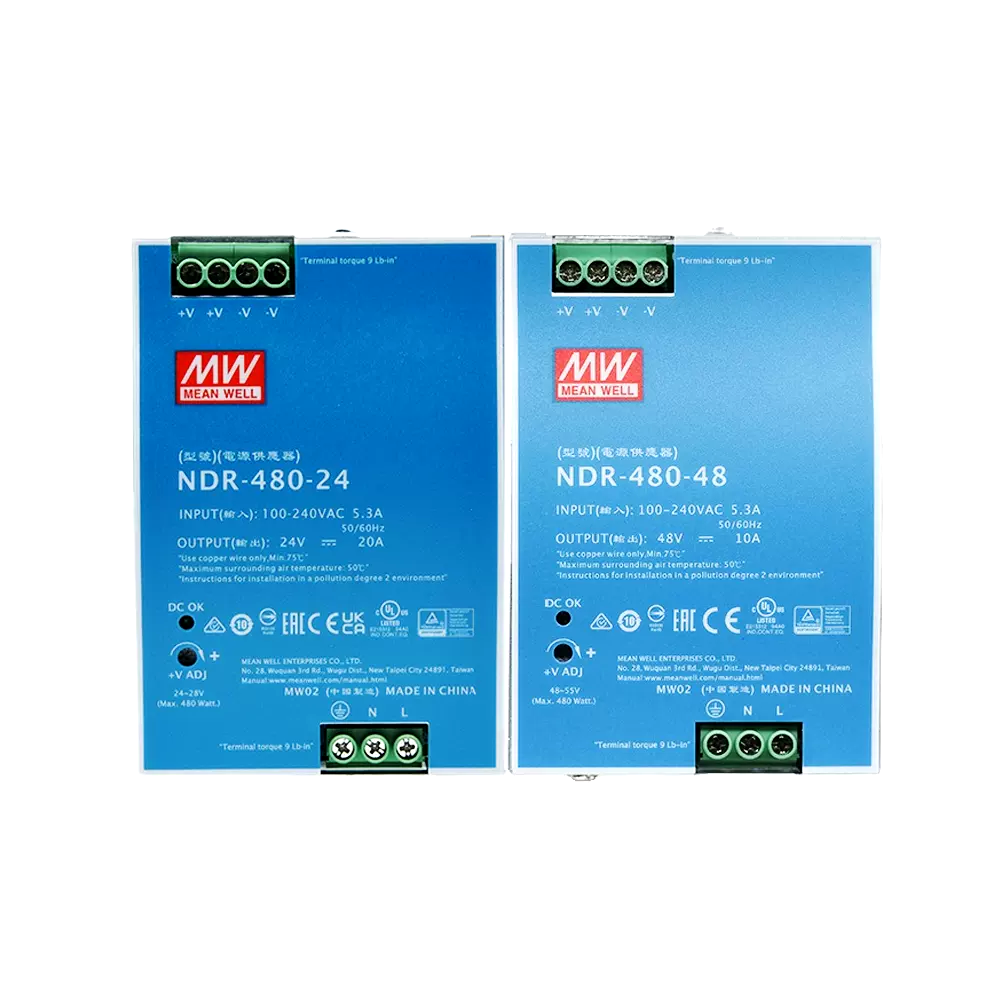
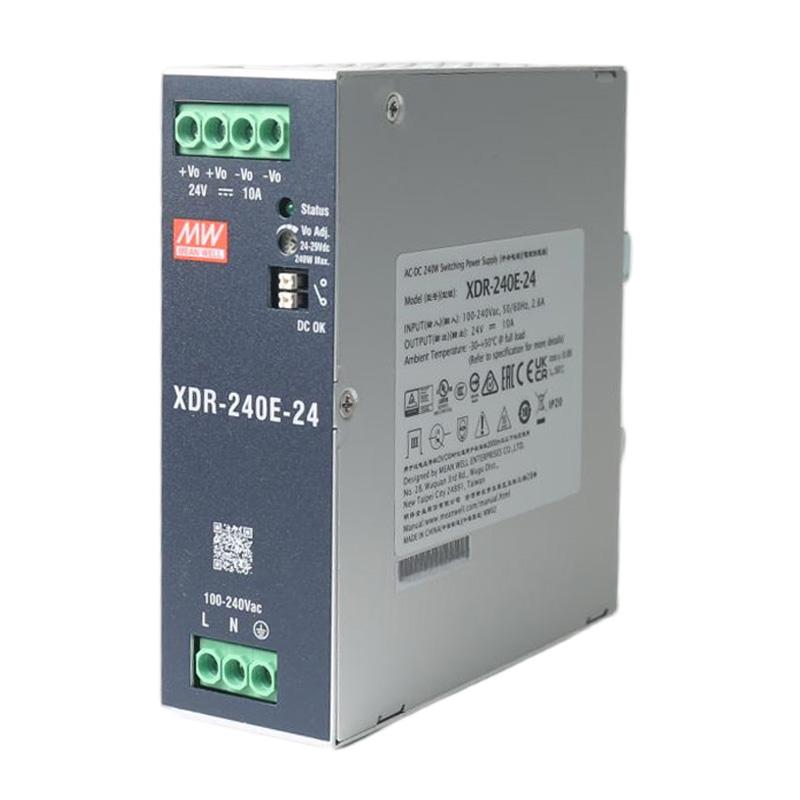
In modern electrical engineering, the longevity and luminous efficacy of solid-state lighting arrays are overwhelmingly dictated by the electrical topology and thermal management of the upstream power electronics. Sourcing from a premier LED driver module supplier and exporter involves far more than matching output voltage and wattage parameters. Procurement directors, lighting designers, and industrial automation engineers must evaluate critical failure modes, semiconductor material transitions, dynamic loop responses, and electromagnetic compliance standards across different operating environments.
When selecting standard off-the-shelf LED drivers or DIN-rail power supplies, top-tier exporters must provide complete component traceability, audited burn-in validation protocols, and comprehensive thermal derating profiles. As LED luminaire efficiencies climb beyond 180 lumens per watt, high-frequency ripple currents and harmonic distortions from subpar drivers introduce thermal stress that directly degrades phosphorus layers and causes catastrophic phosphor degradation or visible strobe effects.
Understanding the fundamental driving topology ensures that system components match real-world field dynamics. High-tier suppliers distinguish themselves by advising client engineers on optimal architecture rather than simply transacting product units:
| Series Family | Mounting & Enclosure Form | Typical Wattage | PFC & Efficiency Level | Optimal Project Specification |
|---|---|---|---|---|
| LRS Series | Ultra-low profile enclosed metal case (1U) | 35W – 600W | PF > 0.95 (200W+), Up to 92% | Signage, interior LED displays, control kiosks, 3D printing |
| NDR / EDR | Slim TS-35/7.5 or 15 DIN rail mount | 75W – 480W | Active PFC on NDR; Up to 92.5% | Industrial control cabinets, factory lighting management |
| HLG Series | Aluminum housing IP65/IP67 waterproof | 40W – 600W | Active PFC, Ultra-low THD, >94% | Outdoor highway luminaires, horticultural lighting, harsh washdown |
| XDR-E Series | Heavy-duty DIN rail with active parallel logic | 120W – 960W | Built-in PFC, Current Sharing | Centralized control arrays, automation hubs, redundant power lines |
| HDR Series | Step-shape plastic housing (Class II isolation) | 15W – 150W | No load consumption < 0.3W | Building automation, smart home distribution, architectural panels |
The global power electronics landscape is undergoing a pivotal transformation. Procurement teams must anticipate several transformative trends over the coming three to five years to avoid component obsolescence:
Shenzhen Belmo Technology Co., Ltd. bridges high-volume manufacturing hubs with rigorous international technical compliance standards.
We supply verified genuine MEAN WELL products featuring crisp factory serialization, clean holographic authentication, and verifiable batch codes. Counterfeit risk is eliminated at the source.
Every critical consignment undergoes visual inspections, terminal screw torque verification, and live dynamic power-on voltage load checks before packing. Photographic proof is provided prior to export dispatch.
Support from single-unit prototype validation runs up to container-load production orders. Consolidate enclosed, DIN rail, open frame, and pure sine wave inverters in a single customs declaration.
Clear, authoritative guidance addressing the most common obstacles encountered by power supply procurement engineers.
Authentic units feature laser-etched or high-resolution thermal transfer rating plates with crisp micro-typography, precise serial numbers traceable to specific factory shifts, and authentic QC inspection stamps. Internal inspection reveals branded primary electrolytic capacitors (Rubycon, Nichicon, or equivalent tier-one components) rather than low-end alternatives. Our SGS-verified facility provides direct traceability for every batch.
For industrial and commercial luminaires running 12 to 24 hours daily, design guidelines recommend applying a minimum derating factor of 20% to 25% (the 80% load rule). Operating a driver at 80% of its rated maximum continuous wattage dramatically drops thermal stress on internal switching MOSFETs and secondary filter capacitors, which mathematically doubles operational MTBF according to the Arrhenius temperature model.
Active PFC shapes input current to match the sinusoidal mains voltage waveform, driving the Power Factor ($PF$) above 0.95 while depressing Total Harmonic Distortion ($THD$) below 10-15%. In high-density installations, uncorrected power supplies ($PF \approx 0.5-0.6$) draw high harmonic neutral currents, causing excessive transformer core heating, breaker tripping, and electrical penalty surcharges from utility operators.
North American deployments require UL 8750 (LED lighting safety) or UL 62368-1 (ITE/Industrial equipment safety), alongside FCC Part 15 Class A/B electromagnetic radiation compliance. European installations mandate CE marking backed by EN 61347-1, EN 61347-2-13, and EN 55015 for EMC compliance. Our product series carry CB Scheme test reports, ensuring immediate reciprocal recognition across global jurisdictions.
Connect with Belmo’s technical engineering desk for rapid BOM evaluation, custom voltage configurations, official factory compliance dossiers, and volume discount pricing.