Industrial-Grade Switching Converters & Modular Power Supplies
Explore verified MeanWell switching architectures, high-amperage industrial DIN-rail modules, low-profile embedded open frames, and moisture-sealed IP67 LED drivers stocked with traceable serial identification.
Future Procurement Trends in Industrial DC-DC & Switching Modules
Global supply chain disruptions, geopolitical compliance shifts, and stringent carbon reduction directives are fundamentally altering how electrical engineering teams audit power suppliers.
1. Total Cost of Ownership (TCO) vs. Initial Unit Price
Procurement teams are shifting away from evaluating raw BOM procurement expenditure in isolation. Sub-tier module failure in mission-critical applications generates unbudgeted operational expenses, including unplanned technician roll-outs, emergency downtime, and RMA processing friction. Tier-1 enterprise buyers prioritize Mean Time Between Failures (MTBF > 500,000 hours under MIL-HDBK-217F) and low standby power dissipation (< 0.15W) over micro-savings on unit purchase quotes.
2. Serialization, Chain-of-Custody & Anti-Counterfeit Audits
The industrial electronics secondary market continues to face threats from refurbished switching ICs and counterfeit enclosures labeled as premium brands. Advanced procurement protocols mandate immutable traceability through machine-readable QR serialization, barcoded batch numbers, and direct factory dispatch verification. Buyers require independent suppliers to deliver verifiable SGS on-site corporate qualification, valid certificates of origin, and comprehensive pre-shipment burn-in test manifests.
3. Unified Hybrid Stocking (Micro-MOQ to Volume Container)
The historical barrier between component prototyping and mass production is collapsing. Agility requires partners who accommodate initial engineering sampling (1 to 5 pieces) without punishing surcharges, while maintaining buffered warehousing stock to support sudden container-scale scaling. Consolidating DIN-rail units, low-profile PCB chassis, and IP67 drivers under a single audited supplier lowers vendor management overhead and prevents unexpected customs delays.
Technological Trajectories in DC-DC & Switching Architecture
Review the technological advancements reshaping modern power conversion: Wide Bandgap (WBG) semiconductors, software-defined PMBus telemetrics, and high-density packaging.
Wide Bandgap (GaN & SiC) Adoption
Traditional silicon MOSFET topologies are reaching physical thermal and switching speed limitations. The integration of Gallium Nitride (GaN) and Silicon Carbide (SiC) switching elements facilitates switching frequencies exceeding 500 kHz with near-zero reverse recovery losses. This permits smaller planar magnetics, resulting in power densities exceeding 30W per cubic inch while retaining efficiencies above 94% across wide input ranges (4:1 and 8:1 ultra-wide ratios).
Digital Power Telemetry & Remote Intelligence
Power converters are no longer isolated analog circuits. Modern modular converters embed PMBus, CANopen, and Modbus protocol engines directly into the control IC. System controllers can monitor real-time output current, junction temperature, and ripple behavior in software. This telemetry enables predictive maintenance alerts that detect abnormal power consumption spikes before terminal system shutdowns occur.
Ultra-Compact Low-Profile PCB Packaging
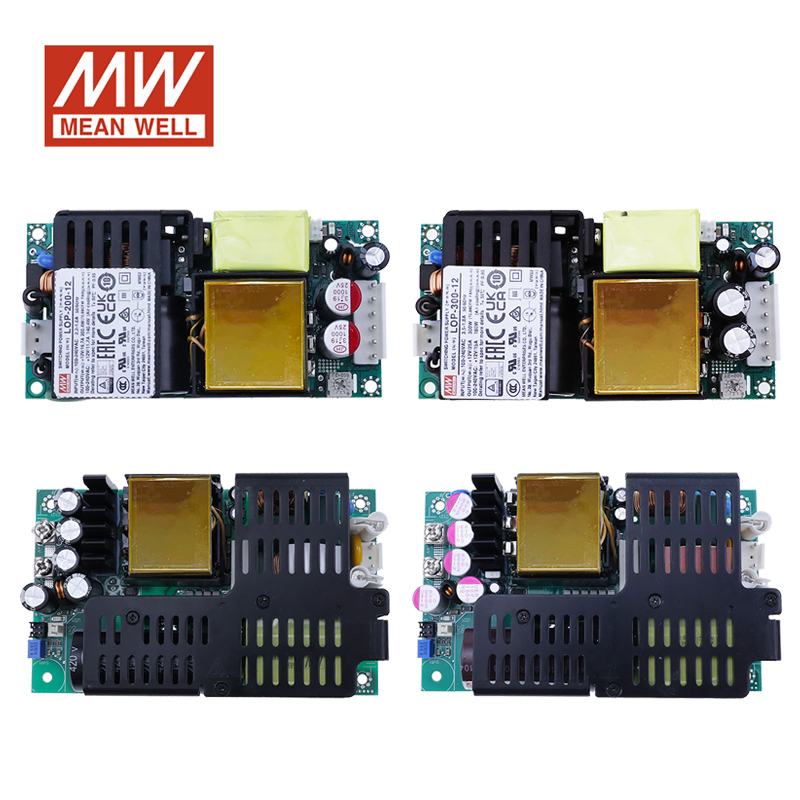
As rack-mount compute modules, telecom base stations, and edge machine-vision cameras decrease in physical volume, internal clearance has become a critical design metric. Open-frame modules like the Mean Well LOP family deliver up to 600W within a compact 5"x3" footprint with an ultra-low profile under 1.1 inches. High-thermal-conductivity potting and multi-layer copper planes allow effective conduction cooling without noisy internal fans.
| Architecture Class | Representative Series | Typical Input / Output Range | Efficiency Rating | Primary Industrial Use-Case |
|---|---|---|---|---|
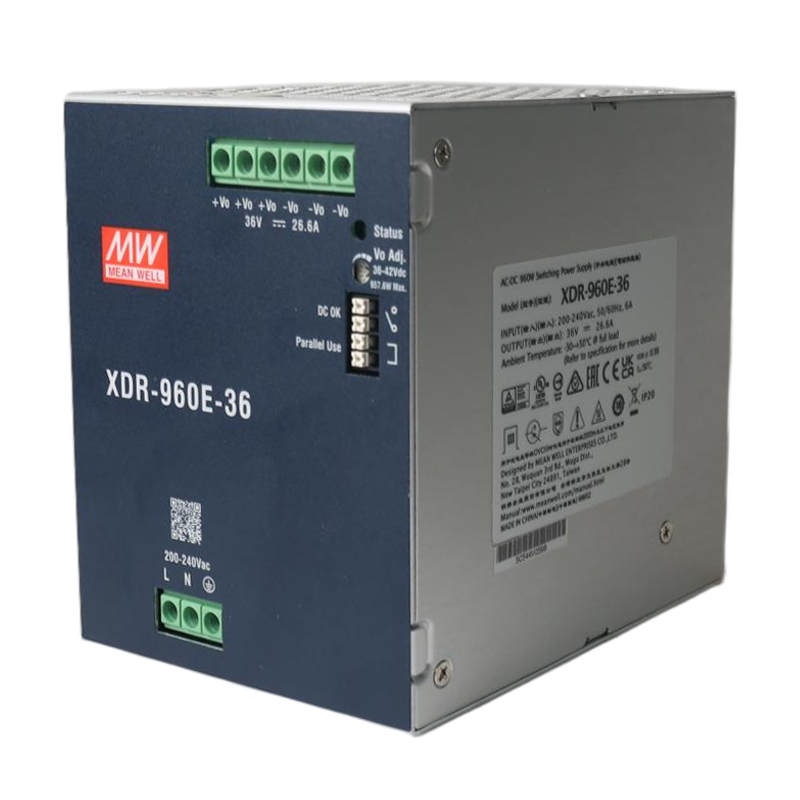
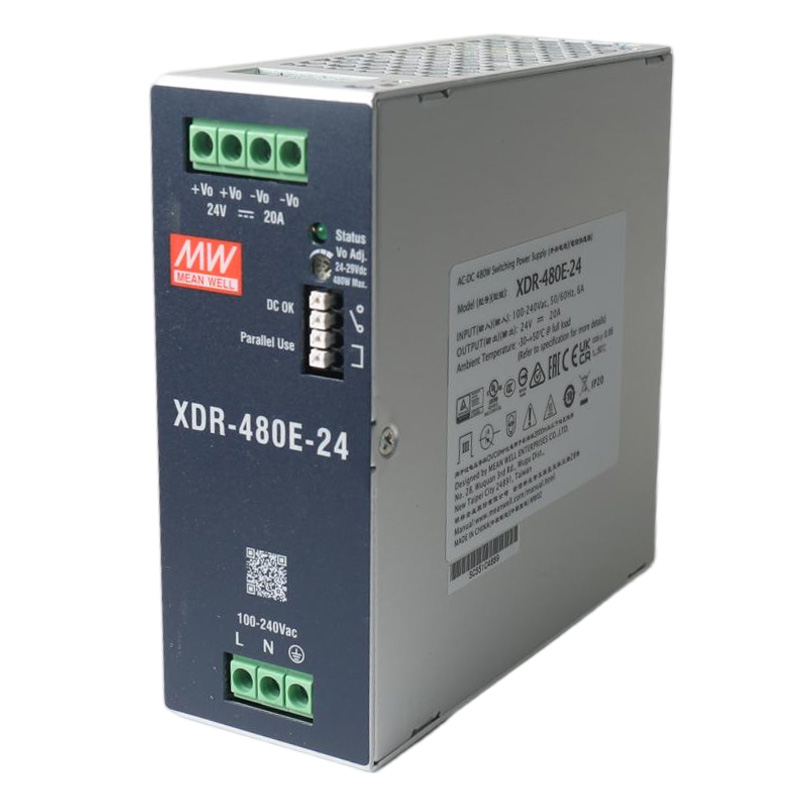
| Heavy Industrial DIN Rail | MeanWell XDR / SDR | 180-550VAC or 24-48VDC Parallel | 93.5% – 95.0% | Automated production lines, PLC chassis, heavy machinery |
| Low Profile Open-Frame | LOP-200 to LOP-600 | 80-264VAC / 12V, 24V, 48V, 54V | 92.0% – 94.5% | Embedded telecom edge hardware, medical devices, kiosks |
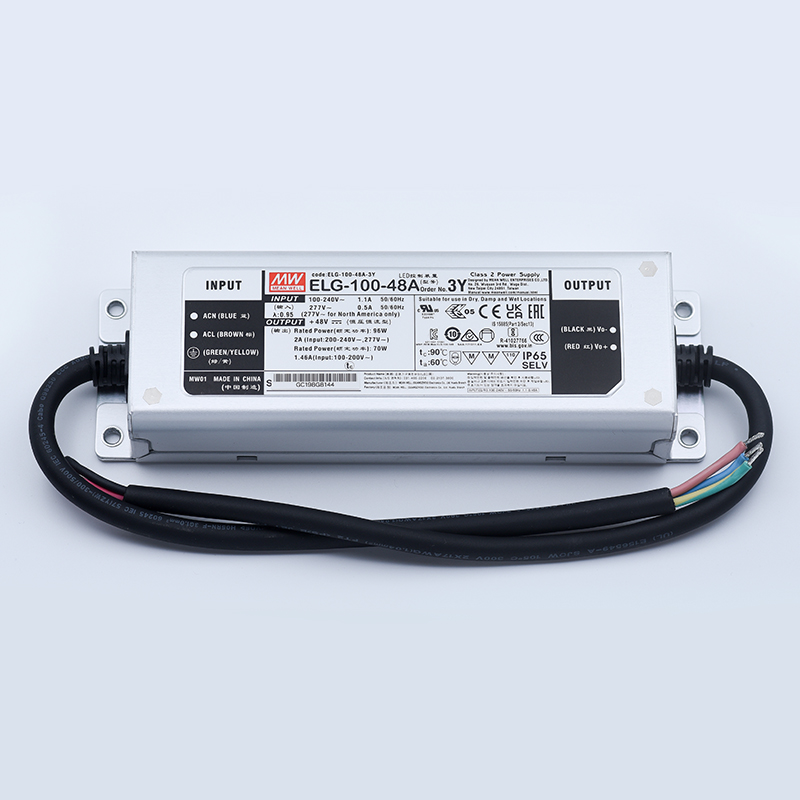
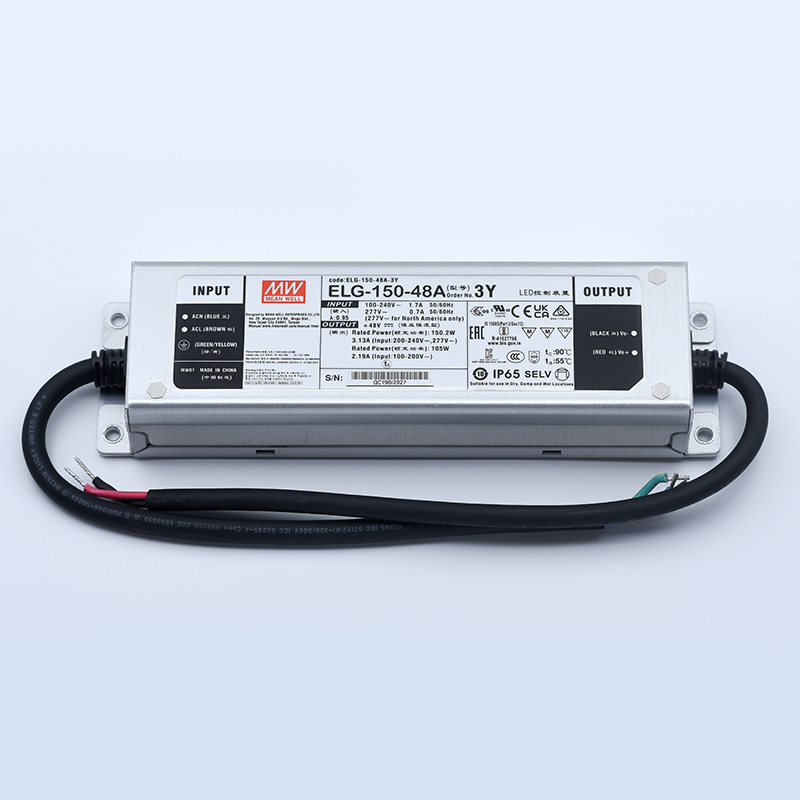
| Rugged IP67 Sealed Drivers | ELG / HLG Series | 100-305VAC / 12V, 24V, 36V, 48V | 90.0% – 93.5% | Architectural illumination, outdoor LED, industrial display boards |
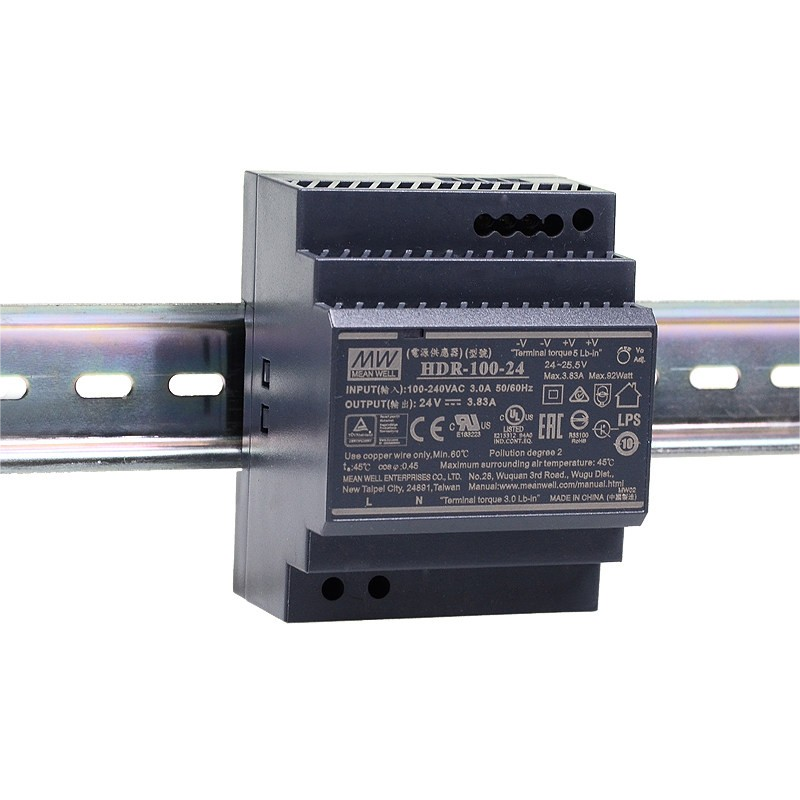
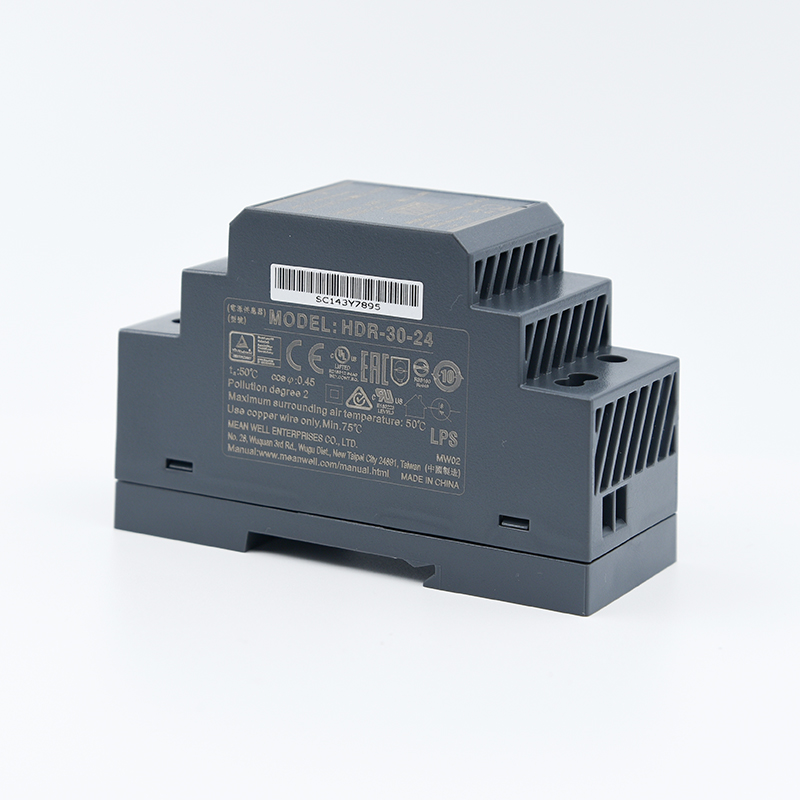
| Compact Step-Shape DIN | HDR-30 to HDR-100 | 85-264VAC / 5V, 12V, 24V, 48V | 88.0% – 91.0% | Building automation, sub-distribution panels, IoT gateways |
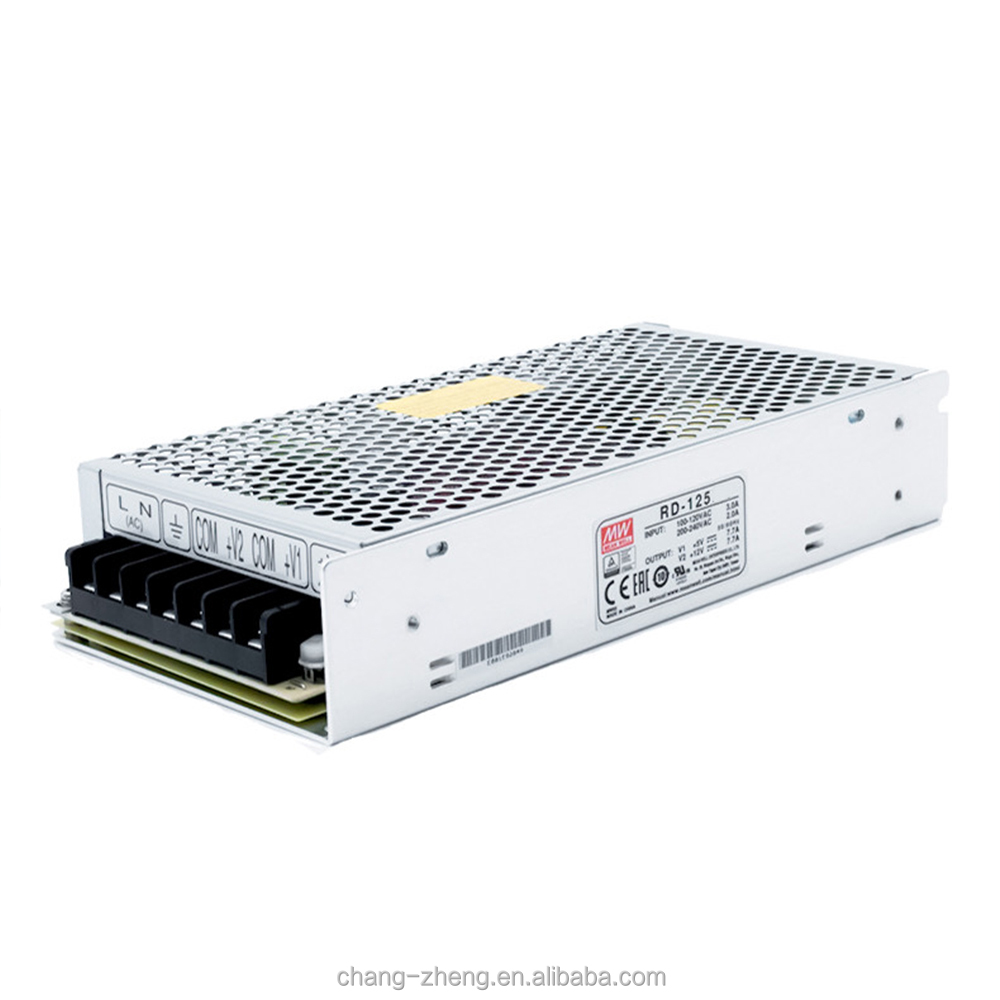
| Dual-Rail Isolated SMPS | RD-50 to RD-125 | 88-264VAC / Dual 5V & 24V Output | 82.0% – 86.0% | Security controllers, mixed digital logic & relay actuation |
Shenzhen Belmo Technology Co., Ltd. – Supply Chain Assurance
Headquartered in the Shiyan industrial manufacturing corridor of Shenzhen, Belmo bridges factory-direct sourcing with rigorous international verification to safeguard global engineering pipelines.
SGS On-Site Audited Infrastructure
Our corporate physical premises, warehouse capacity, business licenses, and inventory integrity are independently audited on-site by SGS. This third-party verification provides procurement departments with complete transparency, eliminating middleman risk.
Pre-Shipment Power-On & Burn-In Testing
Every shipment undergoes a systematic quality inspection before dispatch. Technicians run visual packaging verifications, check serial number alignments, and conduct live power-on load tests to guarantee zero out-of-box failures (DOA) upon arrival at your warehouse.
Original Manufacturer Warranty Coverage
All supplied MeanWell hardware is supported by original factory warranty terms ranging from 2 years up to 7 years (such as the HLG series). We manage official RMA warranty claims directly with the manufacturer, ensuring rapid resolution and replacement.
Comprehensive Certification Library
Accelerate your end-product compliance approvals. We maintain a centralized repository of official certification documentation, including CE, UL, CB, EAC, and SAA test certificates, ready for immediate integration into your technical design files.
Flexible Prototyping (MOQ from 1 Piece)
Avoid tying up capital during preliminary R&D phases. We support component orders starting from single-piece quantities for qualification testing, backed by structured pallet-pricing matrices as your production volumes scale.
Direct Global Export Logistics
Located near key Shenzhen and Hong Kong freight hubs, our logistics operations coordinate export documentation, tariff classification codes (HS Code: 850440), dangerous goods declarations, and door-to-door express customs clearance across 50+ countries.

Frequently Asked Technical & Sourcing Questions
Answers to common engineering and commercial questions regarding DC-DC module selection, isolation voltages, thermal de-rating, and international distributor procurement.
An isolated DC-DC converter uses a high-frequency transformer barrier to physically separate the input ground from the output ground, preventing electrical continuity. Non-isolated converters (such as buck, boost, or buck-boost regulators) share a common ground between input and output. Galvanic isolation is mandatory when: (1) Safety standards (such as IEC/EN 62368-1 or medical IEC 60601-1) require protective separation from hazardous bus voltages; (2) Ground loop interference threatens sensitive analog instrumentation; or (3) Severe voltage transients generated by industrial inductive motors could feed back into sensitive microcontrollers.
Converters operating within sealed enclosures without forced air cannot dissipate heat efficiently. Engineers must review the manufacturer's thermal derating curve published in the official datasheet. Most standard modules provide full rated wattage up to 45°C or 50°C ambient. Above this threshold, power delivery must be derated by 2% to 2.5% per degree Celsius up to 70°C. In unventilated NEMA 4X or IP66 enclosures, choose a unit rated at 130% to 150% of nominal system load or utilize chassis-conduction cooling formats (like the LOP series) mounted directly to aluminum cold plates.
Genuine MeanWell hardware features several anti-counterfeiting safeguards: (1) Laser-etched serial numbers on the metal or thermoplastic casing matching the factory barcode label; (2) An encoded manufacture date stamp matching the internal lot code on the transformer silkscreen; (3) Clean solder joints and conformal coating consistency verified through optical inspection; and (4) Electrical efficiency and ripple specs matching published datasheet tolerances under an electronic load. Belmo provides traceable production documentation and photos before shipment so you can verify each batch.
Active current sharing is an internal control mechanism that balances load distribution evenly across multiple power supply modules connected in parallel. Without active sharing, the module with the slightly higher output trim voltage will deliver all its current first, entering thermal overload while adjacent units remain idle. High-power units like the MeanWell XDR-960E incorporate dedicated parallel bus terminals. By linking these control pins, up to 4 units can operate in parallel, delivering up to 3840W of redundant (N+1) or capacity-boosted power with minimal thermal imbalance.
Standard stocked catalog lines (including LRS, NDR, XDR, ELG, and HDR series) feature low minimum order quantities starting at just 1 to 5 pieces, allowing engineers to test prototypes without overcommitting budget. Stocked orders typically dispatch from our Shenzhen facility within 24 to 72 hours via DHL, FedEx, UPS, or air freight. For container-scale orders or custom voltage modifications, typical factory lead times range between 3 to 6 weeks, supported by real-time tracking updates.