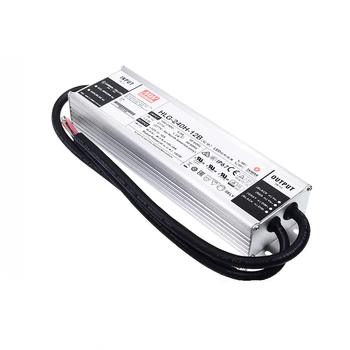
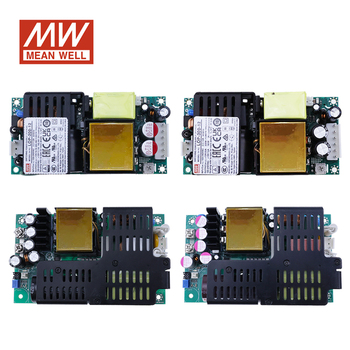
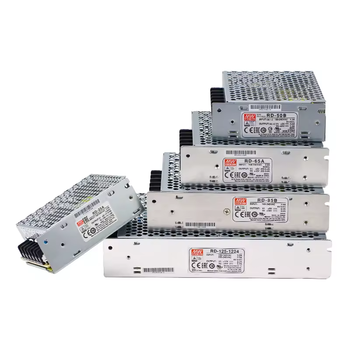
IBC-Smart 24V / 48V 600W AGV Charger
- CANopen / RS485
- 24V 20A / 48V 10A
- IP65 Sealed
Ultra-compact form factor designed for onboard or trackside autonomous vehicle charging. Features automatic mating pulse detection.
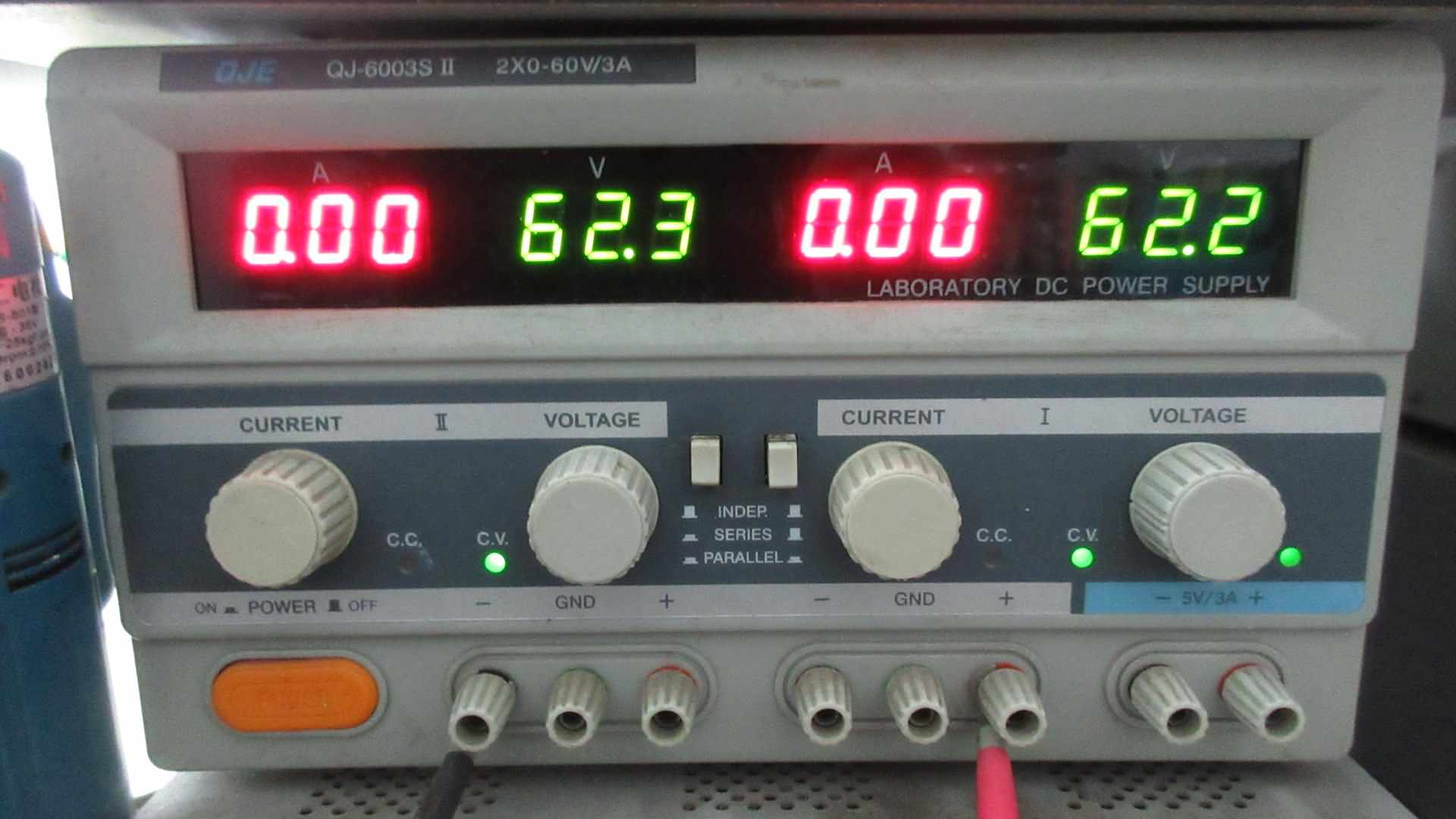
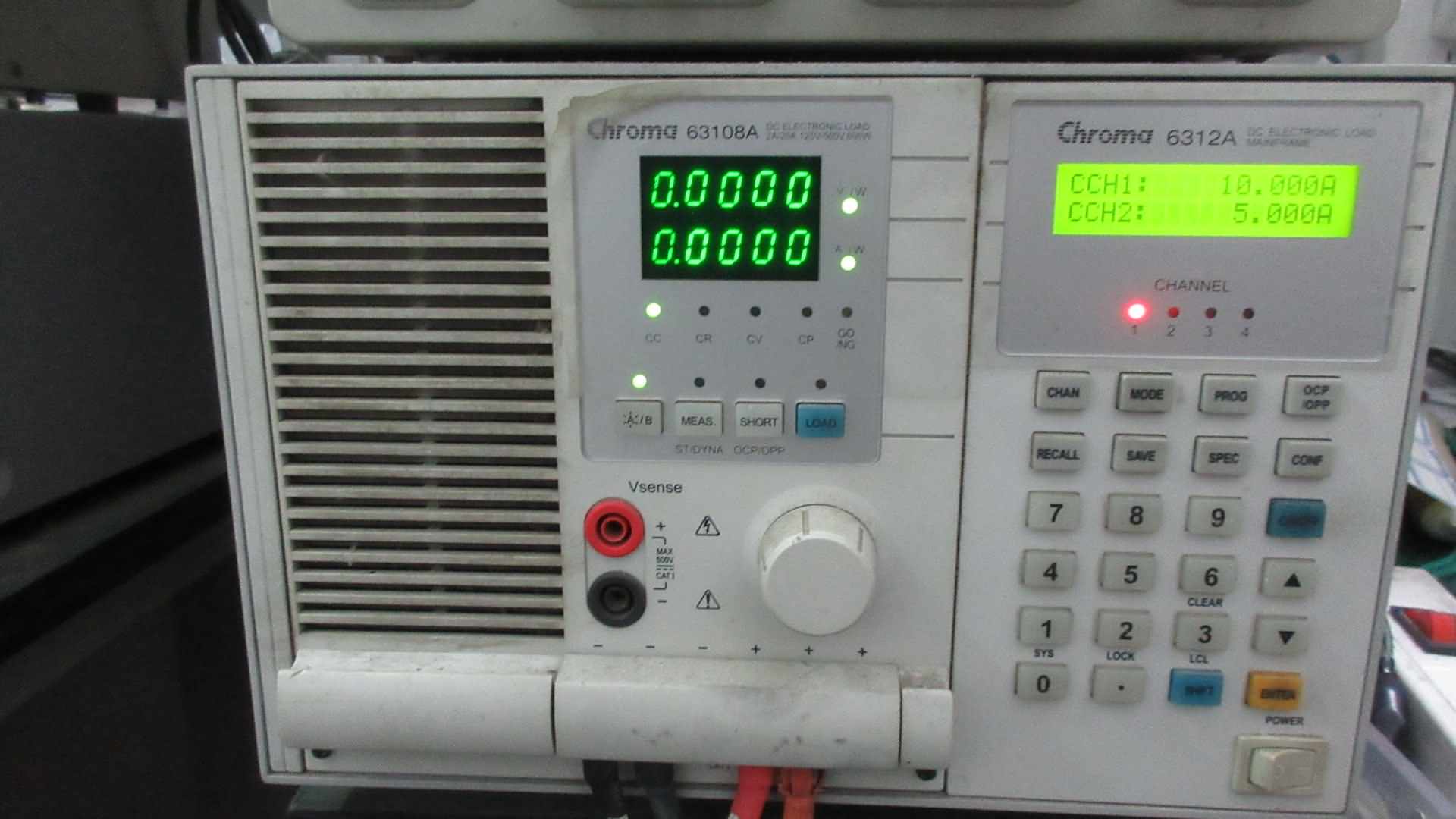
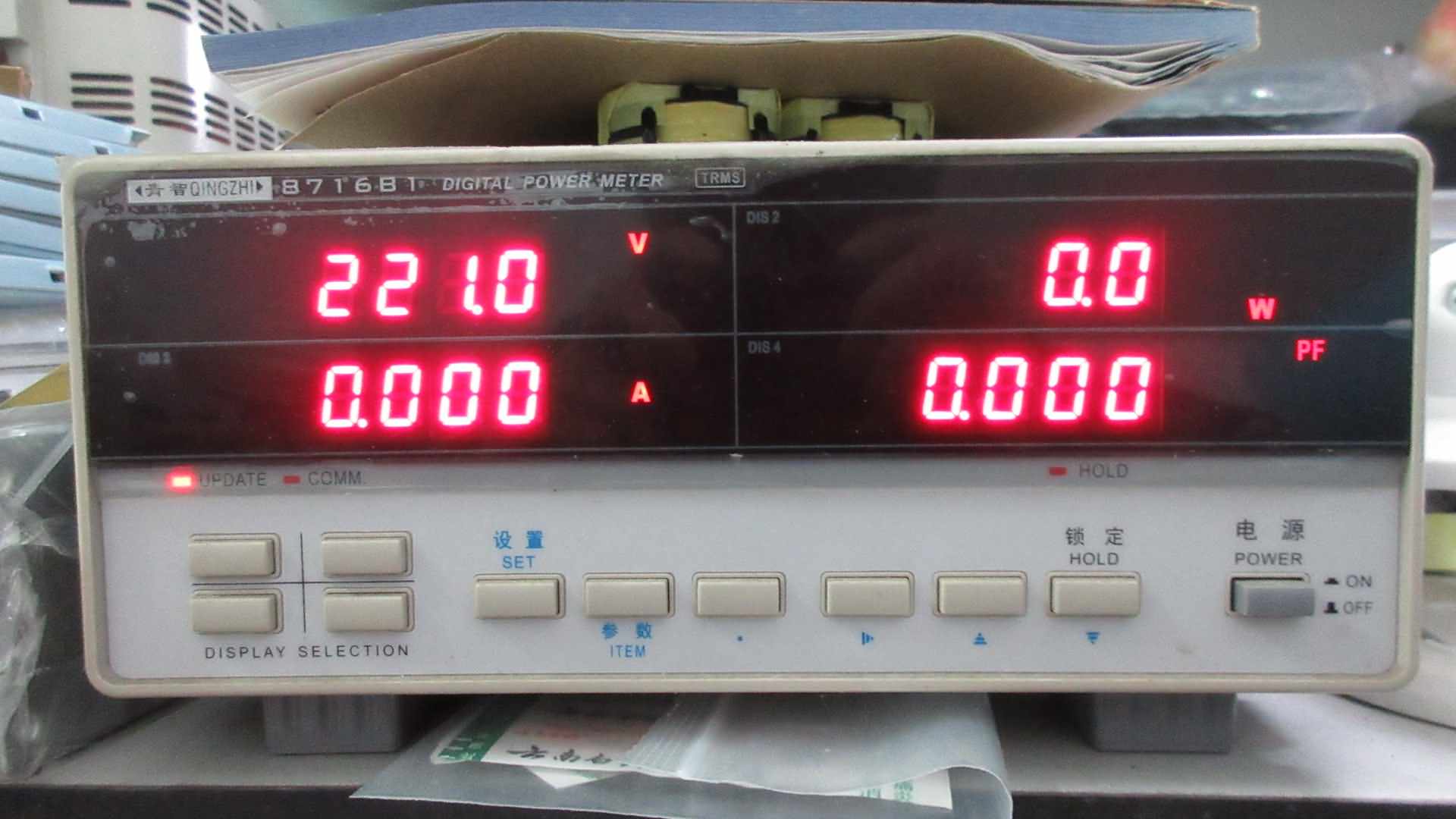
100% dynamic load testing with DC electronic loads & digital power analyzers.
Microcontroller-governed CC, CV, Float, and dynamic pulsed recovery profiles.
Factory-calibrated serial tracking, SGS-verified supplier facility in Shenzhen.
Certified to UL 1564, IEC/EN 62368-1, EN 60335-2-29, CE, CB, and EMC directives.
Industrial electrification requires power conversion infrastructure that moves far beyond static voltage rectifiers. System engineers and procurement directors must evaluate high-efficiency resonant LLC topologies, autonomous CAN bus telemetry, and precise thermal mitigation.
In high-throughput environments—such as 24/7 automated warehousing, material handling fleets, telecom central offices, and autonomous guided vehicle (AGV) corridors—an industrial battery charger functions as the foundational heartbeat of operational uptime. An inadequate charger leads directly to cell degradation, thermal runaway incidents, prolonged vehicle downtime, and catastrophic grid-side harmonic interference.
At Shenzhen Belmo Technology Co., Ltd., we architect and supply industrial-grade charging systems engineered with active power factor correction (active PFC > 0.98), wide-input AC range (90–305VAC or 3-phase 340–530VAC), and galvanic isolation exceeding 3,000VAC. Whether charging massive lead-acid traction banks (AGM, GEL, Wet-flooded) or high-density Lithium Iron Phosphate (LiFePO4) arrays, our industrial battery chargers execute closed-loop digital control to modulate current down to 0.1A precision.
Our power engineering division ensures that each system delivers ultra-clean DC output with ripple and noise held under 100mVp-p, preserving cell internal chemistry and extending battery cycle lifespan by up to 35% compared to conventional SCR/ferroresonant chargers.
Engineered for AGVs, electric forklifts, scissors lifts, utility electric vehicles (EVs), maritime vessels, and telecommunications backup systems.
Ultra-compact form factor designed for onboard or trackside autonomous vehicle charging. Features automatic mating pulse detection.
Engineered for multi-shift material handling operations with auto-equalization for lead-acid and high-rate LiFePO4 opportunity charging.
Completely potted potting design for mining, marine deck equipment, municipal sweepers, and corrosive agricultural environments.
Scalable rack architecture for data center battery backup, electrical substation switchgear, and utility-scale energy storage arrays.
Ideal for maintenance shops and mixed equipment yards. Onboard dip-switches and USB port configure custom chemistry curves instantly.
Global procurement teams are navigating three fundamental structural shifts in industrial energy storage and fast-charge infrastructure.
Procurement is rapidly migrating away from unmanaged legacy lead-acid systems. Modern RFQs mandate CAN bus 2.0B, CANopen, and Modbus RS485 communications, enabling the industrial battery charger to receive dynamic cell-level voltage and thermal telemetry from the battery management system (BMS) in real time.
High-efficiency logistics hubs eliminate overnight 8-hour charge cycles in favor of multi-session 15-to-30 minute opportunity charging. This shift demands industrial battery chargers capable of handling continuous peak thermal dissipation without thermal throttling, requiring advanced heat-pipe cooling and PFC stages exceeding 95% efficiency.
With stringent global carbon regulations (EU Ecodesign and US DOE Level VI efficiency standards), energy losses in 24/7 charging operations represent massive operating costs. Modern buyers prioritize LLC resonant converter designs that minimize harmonic distortion (THD < 5%) and slash standby power draw to under 0.5W.
Mission-critical operations—such as telecom hubs and automated material sorting facilities—increasingly specify hot-swappable sub-modules. If one rectifier unit encounters a fault, the remaining chargers seamlessly redistribute the current load without shutting down the charging depot, ensuring zero fleet downtime.
Use this engineering selection matrix to map your operational battery pack chemistry, system voltage, and thermal constraints to the correct charging topology.
| Equipment Category | Nominal Pack Voltage | Recommended Topology | Communication Protocol | Primary Sourcing Consideration |
|---|---|---|---|---|
| Autonomous Guided Vehicles (AGV) & AMRs | 24V DC / 48V DC | High-frequency resonant LLC with dynamic current trim | CANopen / Modbus RTU | High tolerance for rapid opportunity charging cycles; compact enclosure with active BMS interlock. |
| Heavy Electric Forklifts & Pallet Trucks | 48V DC / 80V DC | Three-phase AC input, high-power synchronous rectifier | CAN 2.0B / Isolated RS485 | Equalization cycle support for lead-acid or programmable constant current profiles for high-capacity LiFePO4 packs. |
| Mining, Marine & Outdoor Construction | 12V / 24V / 48V | Fully potted silicone encapsulated, conduction-cooled | J1939 CAN / Dry Contact Relays | IP66/IP67 ingress rating, 5G vibration resistance, and wide thermal operation from -40°C to +70°C. |
| Substation & Telecom Battery Backup | 110V DC / 220V DC | N+1 hot-swappable modular rack-mount system | Ethernet SNMP / Modbus TCP | Ultra-low ripple voltage (<30mVrms) to prevent battery dry-out; uninterrupted floating charge capability. |
| Aerial Work Platforms & Scissor Lifts | 24V DC / 36V DC | Onboard ruggedized charger with universal AC input | Analog PWM / LED Status Telemetry | Interlock drive inhibitor to prevent vehicle operation during charging; high surge immunity (4kV line-to-ground). |
All models supplied by Shenzhen Belmo Technology Co., Ltd. are customizable with specific connector pinouts (Anderson, REMA, Amphenol) and firmware-tuned charging curves.
A resilient industrial battery charger starts with precision component sourcing and ends with stringent dynamic testing. Here is how our Shenzhen facility ensures zero-defect field reliability.
Unlike basic trading houses, Shenzhen Belmo Technology Co., Ltd. maintains a fully integrated engineering verification workflow. We understand that in demanding industrial deployments, an uncalibrated charging voltage can shorten battery lifespans by years or ignite volatile cell chemistries.
Every single batch of our industrial battery chargers undergoes rigorous load validation utilizing state-of-the-art laboratory testing equipment:
Our commitment to transparent, data-driven delivery allows international buyers to source with complete confidence, knowing that each unit matches the electrical specifications of its certified datasheet.
Operating from Shenzhen's high-tech manufacturing hub, our supply infrastructure ensures consistent batch-to-batch repeatability and transparent quality control.
High-speed surface-mount technology ensuring precise micro-controller placement and thermal pad contact.
Every industrial battery charger operates under full rated load inside temperature-controlled aging racks.
Electrical safety testing including Hi-Pot 3750VAC isolation, leakage current, and physical inspection.
Export-ready packaging with DDP, FOB, and CIF terms supporting OEM and system integrator deliveries.
Key technical answers addressing the critical considerations global buyers encounter when procuring industrial battery charging systems.
An industrial battery charger is engineered to withstand continuous full-duty cycles under harsh electrical and environmental conditions. Unlike commercial chargers, it features active Power Factor Correction (PFC > 0.98), robust isolation (typically >3000VAC I/O isolation), high surge withstand (up to 4kV), and wide temperature operational capabilities (-30°C to +70°C). Furthermore, industrial units incorporate heavy-duty aluminum heat sinks, conformal-coated circuit boards to resist dust and moisture, and micro-controller-driven multi-stage algorithms (Constant Current, Constant Voltage, Float, and Equalization) that actively protect expensive industrial battery packs from degradation.
In high-rate industrial applications, lithium cells must be charged within tight thermal and voltage tolerances. When an industrial battery charger is integrated with the battery management system (BMS) via CAN bus (CANopen, J1939, or custom CAN 2.0B protocols), the charger stops acting as a blind voltage provider and instead functions as a slave unit commanded directly by the BMS. The BMS continuously transmits allowable charging currents and target voltages based on the highest and lowest individual cell voltages and temperatures. If cell impedance rises or temperatures exceed safe operational envelopes, the charger dynamically throttles current down to zero in milliseconds, entirely preventing thermal runaway conditions.
Yes, provided the charger has a programmable or multi-curve digital micro-controller. Lead-acid batteries require a 3-stage or 4-stage charge curve with negative temperature compensation (reducing voltage as temperature rises to avoid gassing) and an periodic equalization mode to reverse sulfation. Lithium Iron Phosphate (LiFePO4) and NMC batteries require a strict Constant Current / Constant Voltage (CC/CV) profile with zero float voltage and automatic cutoff when current drops below a designated threshold (C/10 or C/20). Shenzhen Belmo Technology Co., Ltd. provides multi-chemistry chargers equipped with onboard selector switches, USB parameter programming, or CAN-commanded curve selection to support mixed industrial fleets effortlessly.
Dynamic electronic testing is vital to verify that an industrial battery charger operates reliably across its complete electrical envelope. At Shenzhen Belmo Technology Co., Ltd., we utilize programmable DC electronic loads to simulate battery transitions from deep discharge (constant current mode) to absorption saturation (constant voltage mode), testing dynamic response and stability under sudden load steps. Simultaneously, digital power meters analyze grid-side parameters: active power factor, total harmonic distortion (THD), and actual power conversion efficiency across 25%, 50%, 75%, and 100% load states. This rigorous bench testing guarantees that every unit shipped to international customers conforms strictly to its published datasheet specifications.
Global industrial equipment tenders mandate comprehensive safety and electromagnetic compatibility compliance. Key standards include UL 1564 (Standard for Industrial Battery Chargers in North America), IEC/EN 62368-1 (Audio/video, information and communication technology equipment safety), and EN 60335-2-29 (Particular requirements for battery chargers). Electromagnetic compatibility standards include EN 55032 / FCC Part 15 Class A for conducted and radiated emissions, alongside EN 61000-4 series for electrostatic discharge (ESD), electrical fast transient (EFT), and surge immunity. Shenzhen Belmo Technology Co., Ltd. delivers certified products with full traceability and laboratory test reports to streamline international customs and installation sign-offs.
Whether you require a standard high-efficiency industrial battery charger, custom CAN bus firmware integration, or specialized testing instrumentation for your facility, our engineering team is ready to optimize your uptime.
"Engineered reliability, precise battery management, and uncompromised testing standards."