Precision Engineered Solutions
High-Efficiency Conversion & DIN Rail Topologies for Poland
Verified factory direct hardware built for battery energy storage systems (BESS), industrial control cabinets, and hybrid microgrids across Lower Silesian, Silesian, and Masovian industrial sectors.
Executive Technical Whitepaper
Technical Architecture: Battery Inverters in Poland’s Energy Transition
Poland is currently undergoing one of the most radical grid modernization transformations in Central and Eastern Europe. Driven by the targets established in the Polish Energy Policy until 2040 (PEP2040) and the European Union’s Fit for 55 legislative package, the reliance on high-carbon baseload energy is transitioning into distributed solar PV generation and wind assets. This unprecedented integration of non-synchronous renewable generators introduces acute challenges regarding grid frequency stabilization, short-circuit levels, and reactive power control.
In this volatile operational context, high-performance battery inverters and power conversion systems (PCS) serve as the primary balancing mechanism. For EPCs (Engineering, Procurement, and Construction), distribution network operators (DSOs such as Tauron Dystrybucja, PGE Dystrybucja, Enea Operator, and Energa Operator), and industrial prosumers, specifying inverters with rapid frequency-watt response, autonomous islanding mode detection, and ultra-durable auxiliary power modules is an absolute imperative.
Grid Forming (GFM) Topology
Unlike traditional grid-following architectures that depend on a stable voltage vector from the DSO, modern GFM battery inverters operate as a true voltage source, synthesizing internal inertia to suppress Phase Jump anomalies across rural and overloaded transmission segments.
Sub-Cycle UPS Mode Switching
Cold-storage facilities, glass manufacturing lines, and automated automotive manufacturing hubs require transfer times under 10ms during sudden grid outages to prevent catastrophic programmable logic controller (PLC) crashes.
Subsystem Thermal Hardening
Central European climate extremes necessitate power components certified for cold starts down to -25°C in unheated outdoor electrical enclosures, coupled with continuous thermal cycling up to +70°C without capacitive breakdown.
Deployment Matrix
Engineering Application Scenarios Across Poland
Analyzing the operational requirements of specialized power conversion in the Polish commercial and industrial landscape.
Agrivoltaics & Rural Microgrids
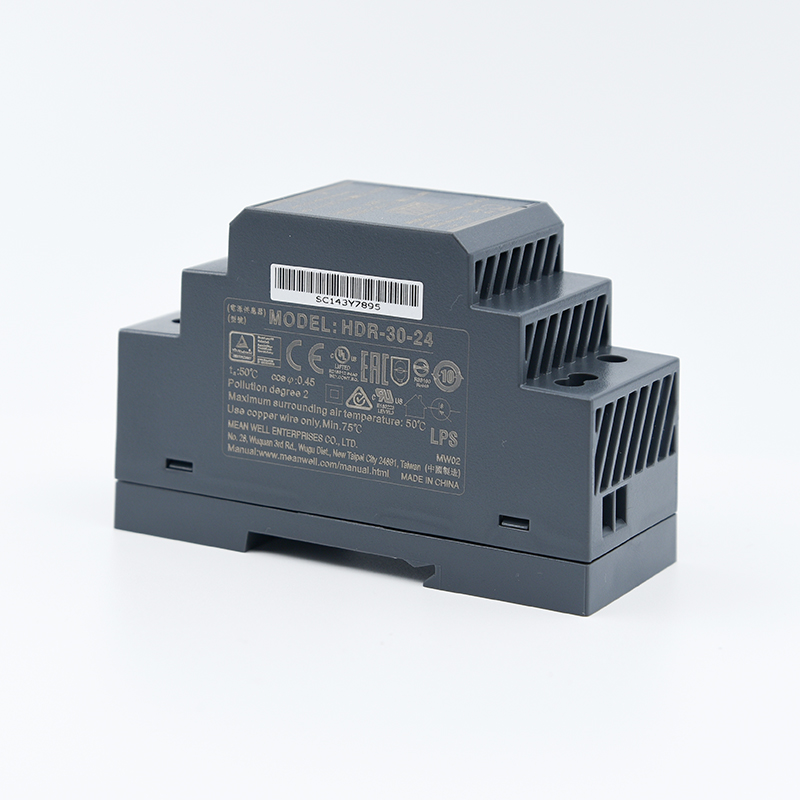
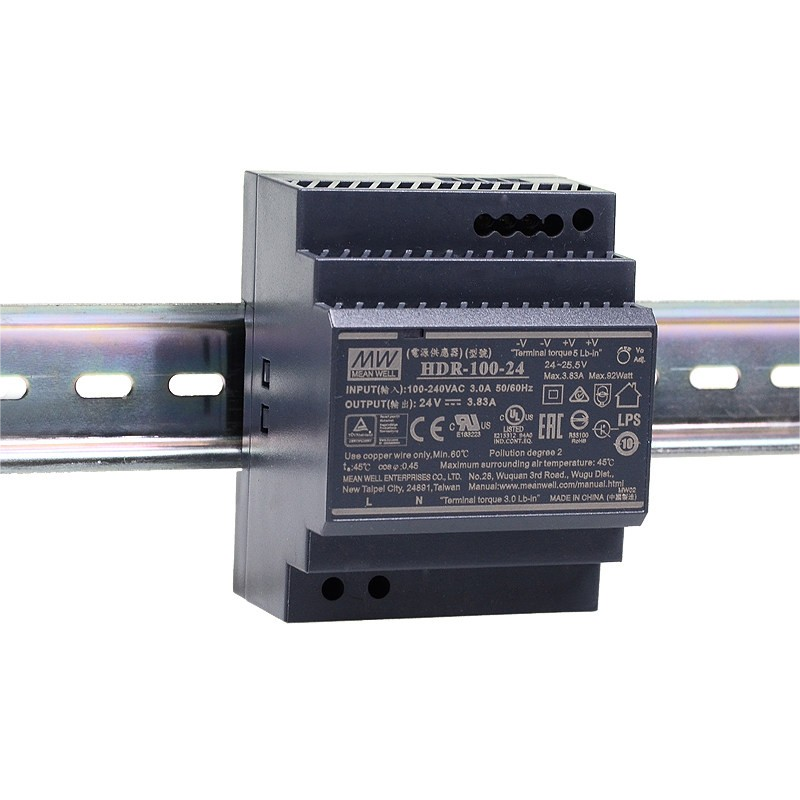
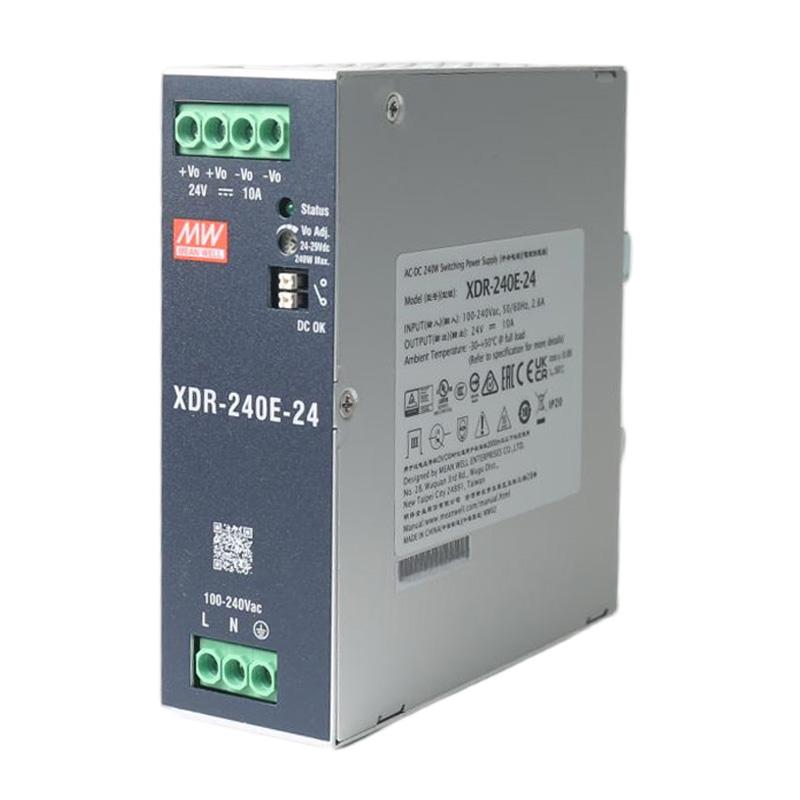
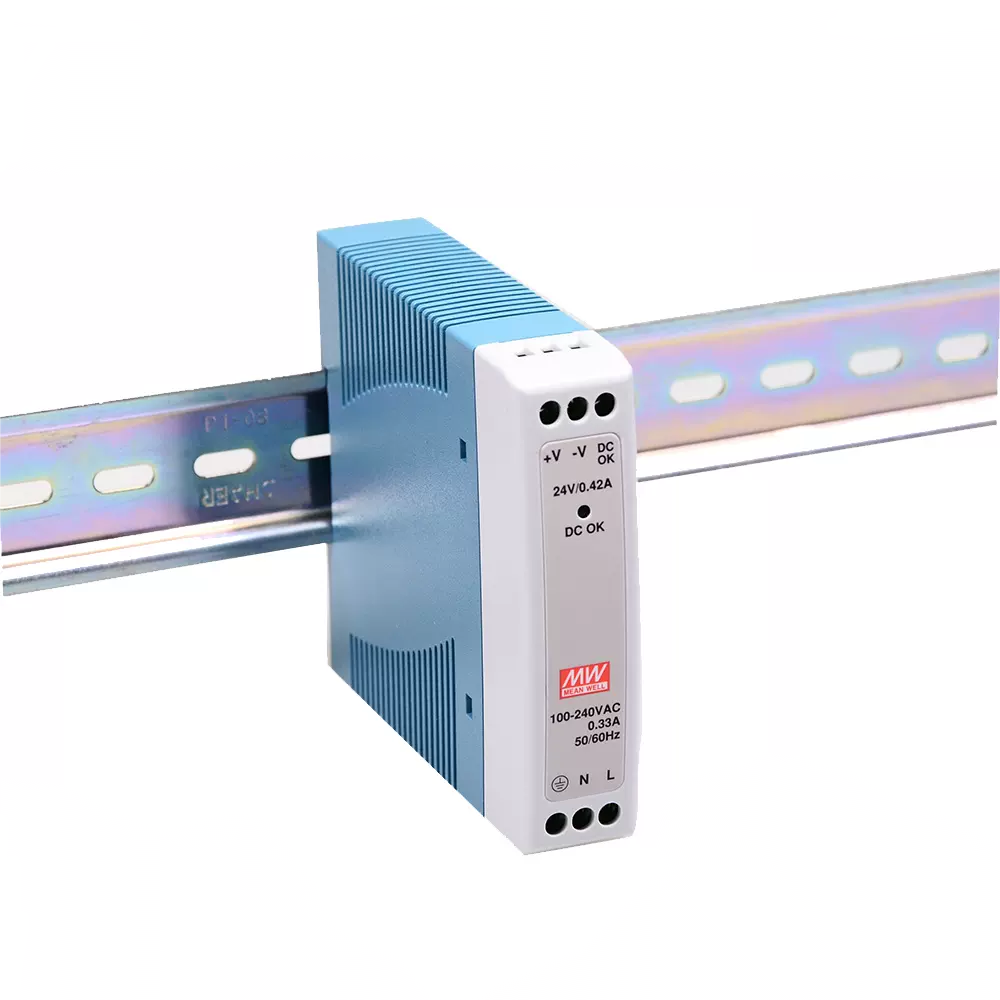
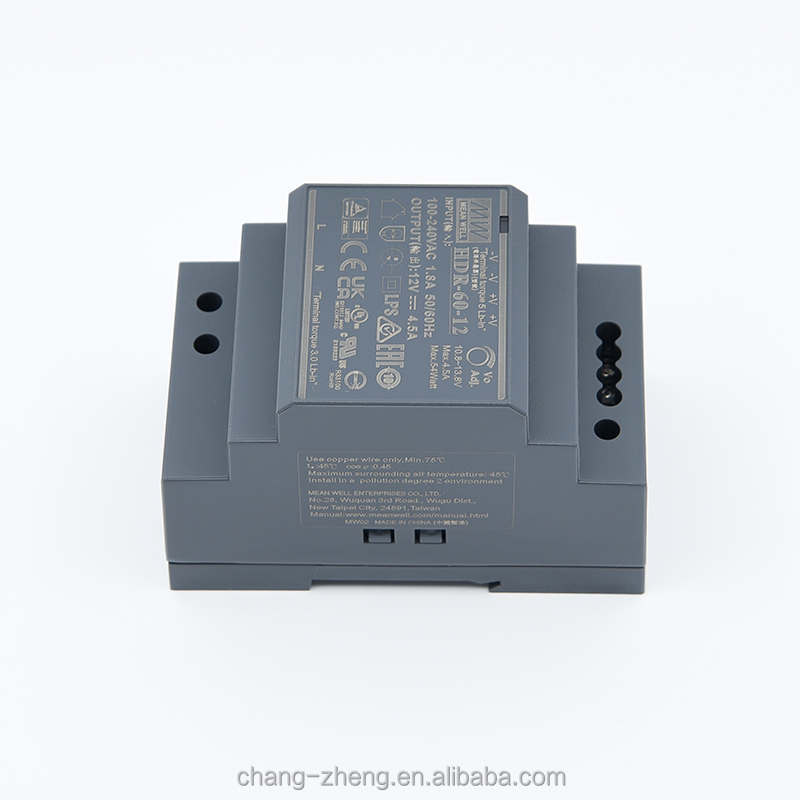
In agricultural hubs across the Greater Poland (Wielkopolska) and Lublin voivodeships, weak grid tails cause frequent under-voltage trip events. Hybrid inverters paired with rugged TS-35 DIN rail power units (such as the MeanWell HDR and NDR series) stabilize farm-scale refrigeration and microgrid controls.
Industrial Peak Shaving in Silesia
Heavy machining, stamping, and manufacturing plants located within the Katowice Special Economic Zone face steep capacity fees (opłata mocowa). High-capacity battery storage inverters shave industrial daytime load spikes, dropping power demand thresholds below tariff penalties.
Logistics Warehouses & EV Hubs
Distribution centers flanking the A1, A2, and A4 motorways integrate high-density commercial PV with megawatt-scale battery banks. Integrated pure sine wave inverters regulate dynamic charging hubs without introducing harmonic distortion to the local substation transformer.
Critical Telecom Infrastructure
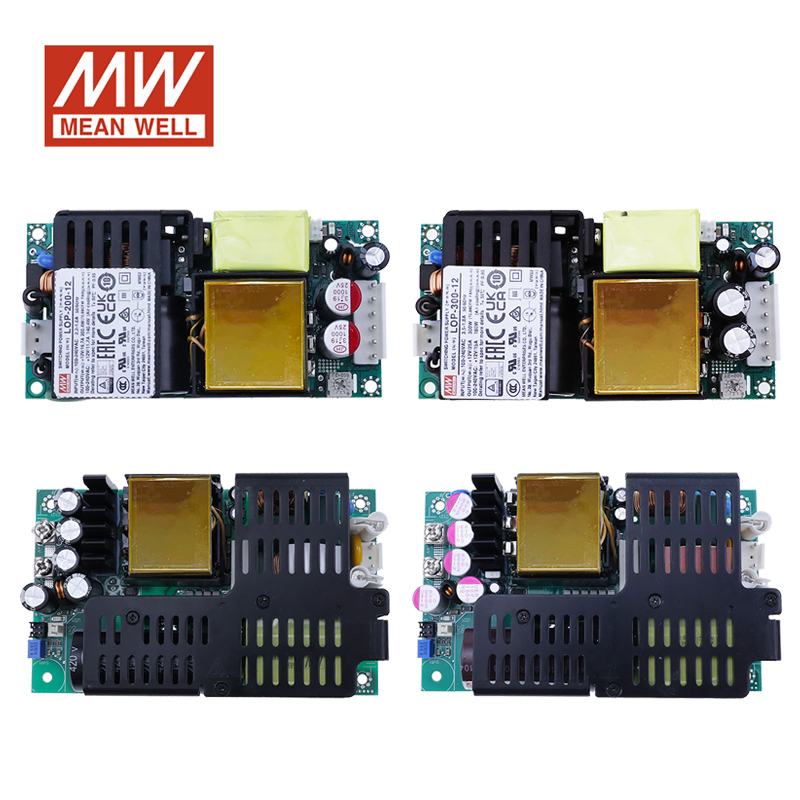
Base transceiver stations (BTS) throughout the Carpathian and Sudeten regions experience severe winter ice loads and localized grid severance. Compact 48V open-frame (LOP series) and DIN rail setups provide fail-safe direct current to 5G switching units and telecom backup modules.
98.6%
Peak Inverter Efficiency
<10ms
Grid Loss Transfer Speed
100%
EU Grid Code Compliance
7 Years
Extended Tier 1 Warranty
Compliance & Policy Alignment
Regulatory Roadmaps: Polish Grid Codes and EU Standardization
Deploying energy storage hardware within the territory of the Republic of Poland requires uncompromising adherence to the European Commission's Network Code on Requirements for Generators (NC RfG), systematically executed via the General Application Requirements (Wymogi Ogólnego Stosowania - WOS) formalized by the Polish transmission system operator, Polskie Sieci Elektroenergetyczne (PSE).
Inverters exported from our manufacturing lines are calibrated specifically to pass the mandatory compliance testing protocols conducted by accredited European laboratories (such as TÜV Rheinland, SGS, and Intertek) for compliance with PN-EN 50549-1 and PN-EN 50549-2 standards. This ensures instant technical approval from local Polish DSOs during utility-interconnection processes.
| Regulatory Mandate | Required Parameter in Poland | Factory Inverter Implementation |
|---|---|---|
| NC RfG Module Selection | Type A (0.8 kW - 200 kW) / Type B (>200 kW) | Factory firmware parameterized specifically for Type A micro-generation and Type B industrial plants. |
| Frequency Sensitive Mode (FSM) | Dynamic active power reduction between 50.2 Hz and 51.5 Hz | Adjustable droop control curves configurable from 2% to 12% with response actuation times below 200ms. |
| Under-Frequency Response (LFSM-U) | Automatic proportional power injection below 49.8 Hz | High-speed dual-DSP controller architecture delivering rapid real-power step responses. |
| Low-Voltage Ride-Through (LVRT) | Maintain connection during symmetrical/asymmetrical voltage dips | Configurable reactive current injection according to Polish DSO operational manual criteria (IRiESD). |
Manufacturing Excellence
Belmo Technology: Your Strategic Supply Chain Partner
Combining world-class R&D, high-precision automated production, and proven MEAN WELL product integration for scalable European delivery.
SGS On-Site Audited Precision
Shenzhen Belmo Technology operates fully audited production, burn-in, and logistics facilities. Every dispatch is accompanied by visual documentation, traceability codes, and calibrated test records for seamless European customs clearance.
Traceable Original Components
We supply verified genuine power components with immutable serial tracking. By avoiding secondary market brokers, we provide our clients with legitimate factory warranties extending up to 7 years depending on the model series.
Consolidated Agile Shipping
From low MOQ trial samples (1-5 units) for prototyping to multi-container shipments into Gdansk, Hamburg, or direct air cargo to Warsaw Chopin Airport (WAW), our consolidated logistics streamline your total landed cost.
Pre-Shipment Power-On Burn-in
100% full-load burn-in and electrical stress testing under extreme thermal thresholds ensure that equipment arrives at your Polish installation sites ready for instant commissioning without early failure risks.
Procurement Intelligence
Frequently Asked Questions by Polish Technical Buyers
Addressing engineering specifications, regulatory verification, tariffs, and distribution logistics.
How does your factory handle NC RfG certification and Polish DSO requirements?
Our battery inverters and power electronics hold complete CE declarations alongside verified test reports conforming to PN-EN 50549-1/-2. When requested during tender phases, we supply factory test certificates and parameters required by Polish operators including PGE, Tauron, Enea, and Energa for fast-track grid interconnection permits.
What are the lead times and shipping routes available for delivery to Poland?
Standard inventory models ship within 48 to 72 hours. For batch orders, ocean freight delivers to the Port of Gdansk or Hamburg within 28–35 days. For urgent engineering timelines, air freight via Warsaw Chopin Airport (WAW) or express road transit takes 5 to 8 working days with all customs and EUR documentation prepared.
Can you provide custom AC/DC voltage configurations for harsh winter conditions?
Yes. Our industrial setups are designed with cold-start algorithms down to -25°C and can be factory-equipped with internal conformal coating to resist freeze-thaw condensation cycles commonly encountered in outdoor Polish sub-stations.
How are warranty claims, repairs, and technical components managed internationally?
We provide full manufacturer warranty terms ranging from 2 to 7 years depending on the equipment series. In the rare event of a component failure, we air-ship immediate replacement modules or whole units directly from our factory to prevent operational downtime at your Polish project site.