Recommended Power Architectures & Hardware Lineup
High-reliability switching power supplies, DIN-rail modules, and conversion topologies deployed across Cambodian hospitality, Tonle Sap floating installations, and agro-photovoltaic microgrids.
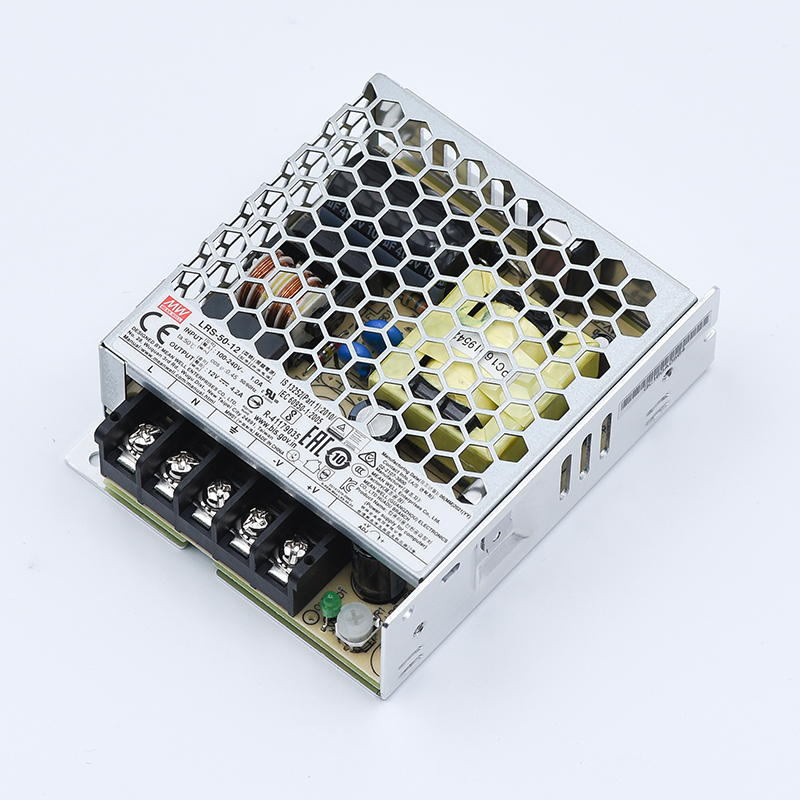
Meanwell 12V 4.2A 50W LRS-50-12 Switching Power Supply for LED Strip CCTV
- Nominal Voltage: 12V DC (4.2A)
- Rated Power: 50.4 Watts
- Efficiency Rating: 86.0%
- Chassis Profile: 1U Low Profile (30mm)
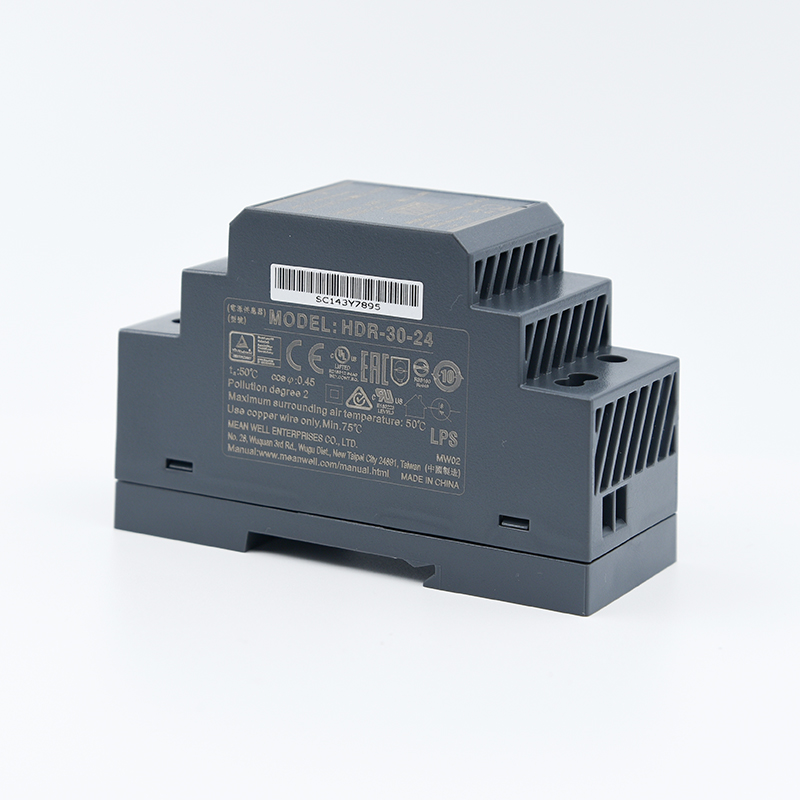
MeanWell Mean Well HDR-30-24 24V 1.5A 36W DIN Rail Power Supply for Household Control System
- Output Rails: 24V DC / 1.5A
- Class Isolation: Class II (No FG)
- Rail Standard: TS-35/7.5 or TS-35/15
- No-load Loss: < 0.1W Eco-Design
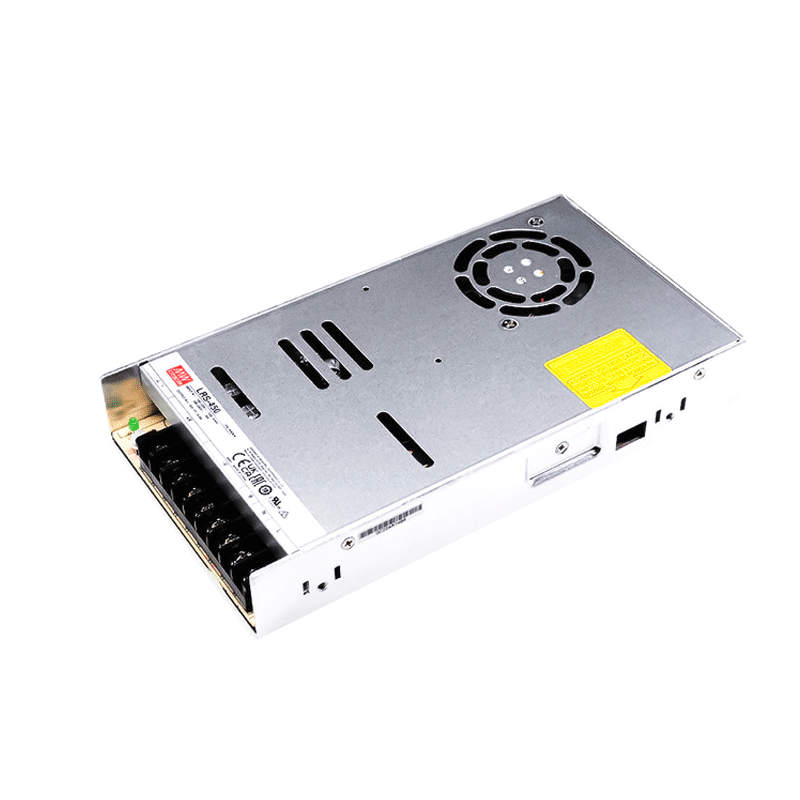
Meanwell LRS-450-12 12V 37.5A 450W Mean Well Switching Power Supply for LED Strip Light
- Output Capability: 12V DC (37.5A)
- Maximum Wattage: 450 Watts
- Cooling System: Forced Air DC Fan
- Surge Resistance: 300VAC Input 5 Sec
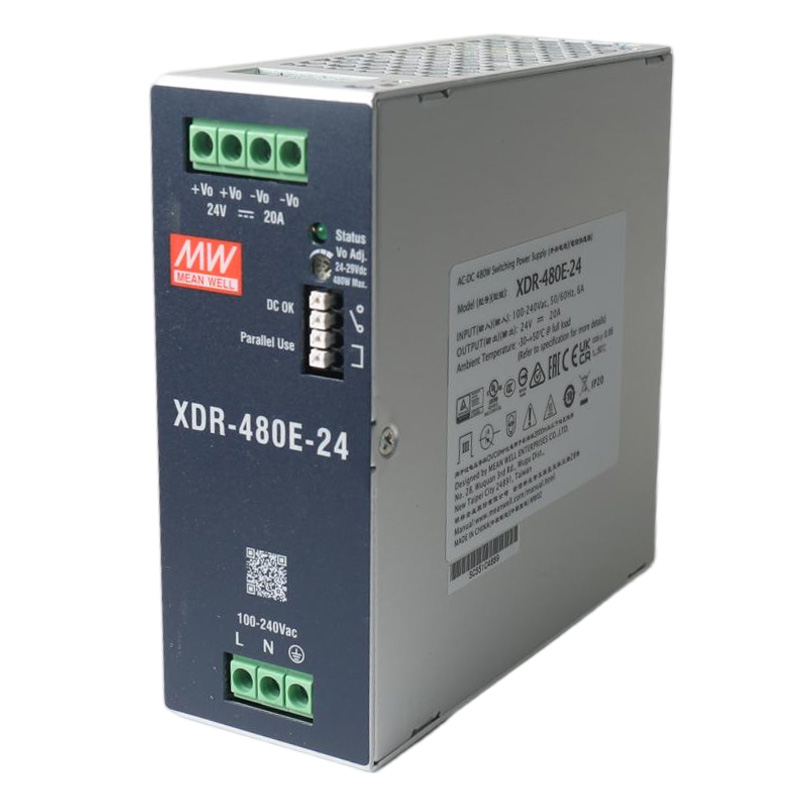
MeanWell XDR-480E-12/24/36/48 24V 20A 480W Mean Well DIN Rail Switching Power Supply
- Current Output: 24V DC / 20A
- Continuous Power: 480 Watts Output
- Operating Temp: -30°C to +70°C
- Protections: Short / OLP / OVP / OTP
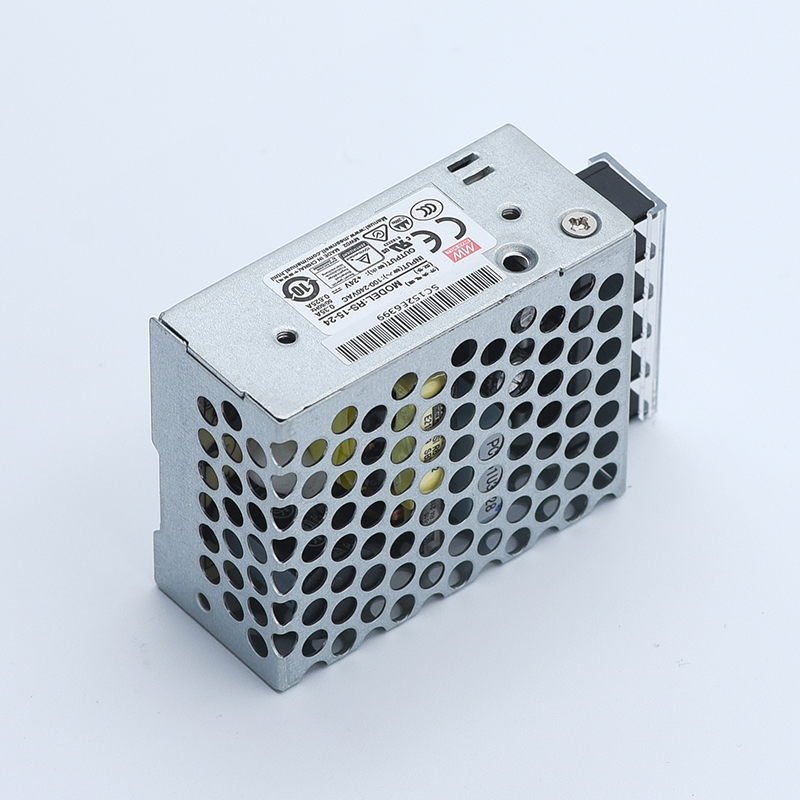
Meanwell Mean Well RS-15-24 24V 0.625A 15W Switching Power Supply for Industrial Automation
- DC Voltage: 24V (0.625A)
- Power Output: 15 Watts Miniature
- Electrolytic Caps: 105°C Long Life Rated
- Vibration Test: 5G Vibration Resistant
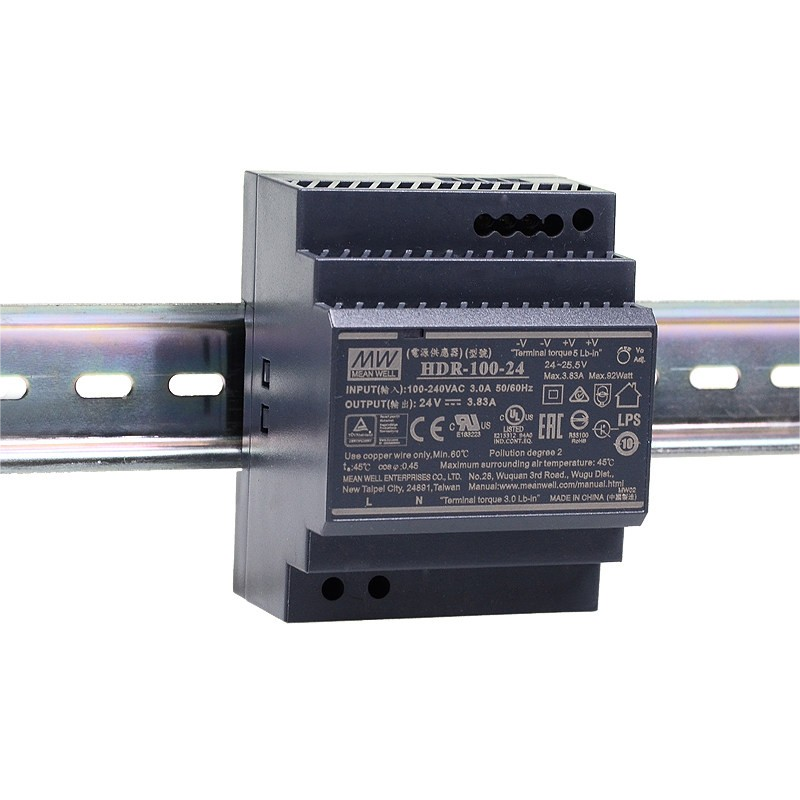
Mean Well HDR-100-24 24V 4.2A 100W DIN Rail Switching Power Supply for Household Control System
- Output Rating: 24V DC / 4.2A
- Width Footprint: 70mm (4SU DIN)
- Overvoltage Cat: OVC III Industrial
- Standby Current: Zero Power <0.3W
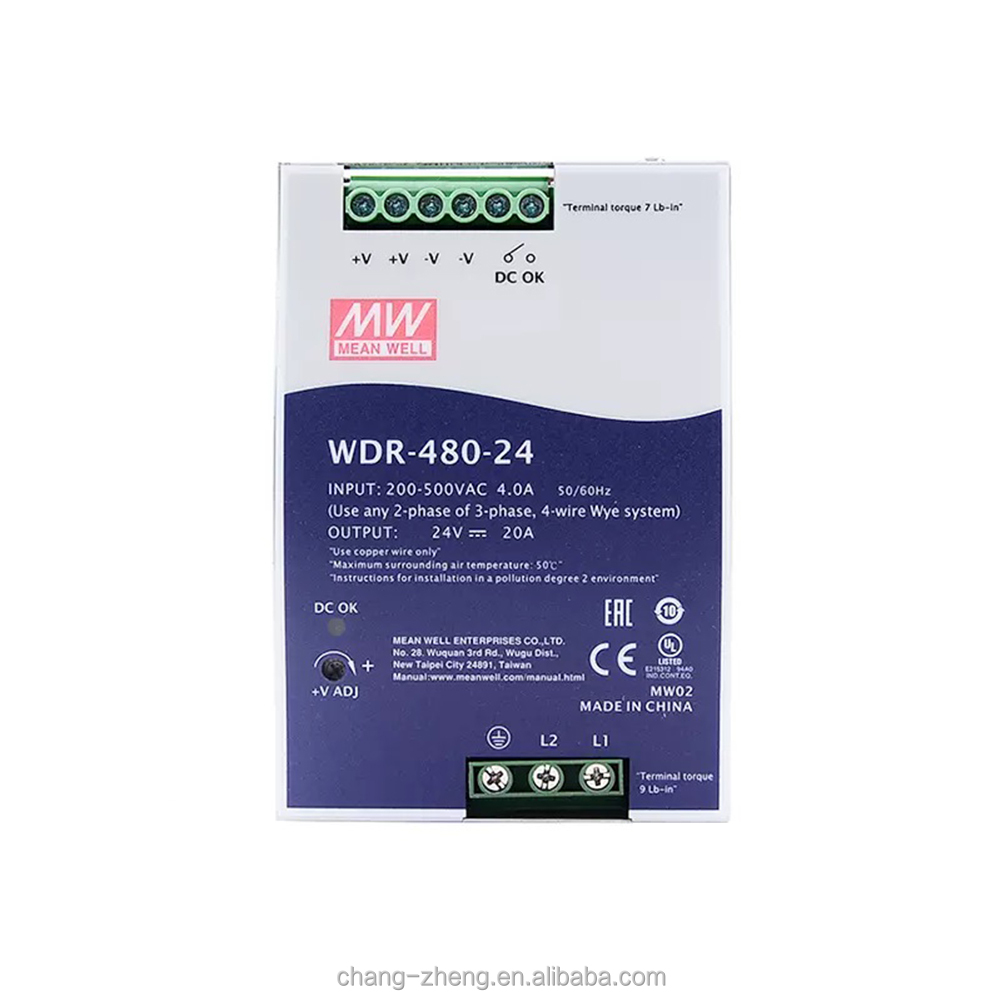
Meanwell WDR-480-24 24V 48V 20A DIN Rail Power Supply With PFC Industrial Control System
- Ultra-wide Input: 180~550VAC (1/2-Phase)
- Output Rails: 24V DC (20A) 480W
- Power Factor: Built-in Active PFC
- Efficiency: Up to 93% Heavy Duty
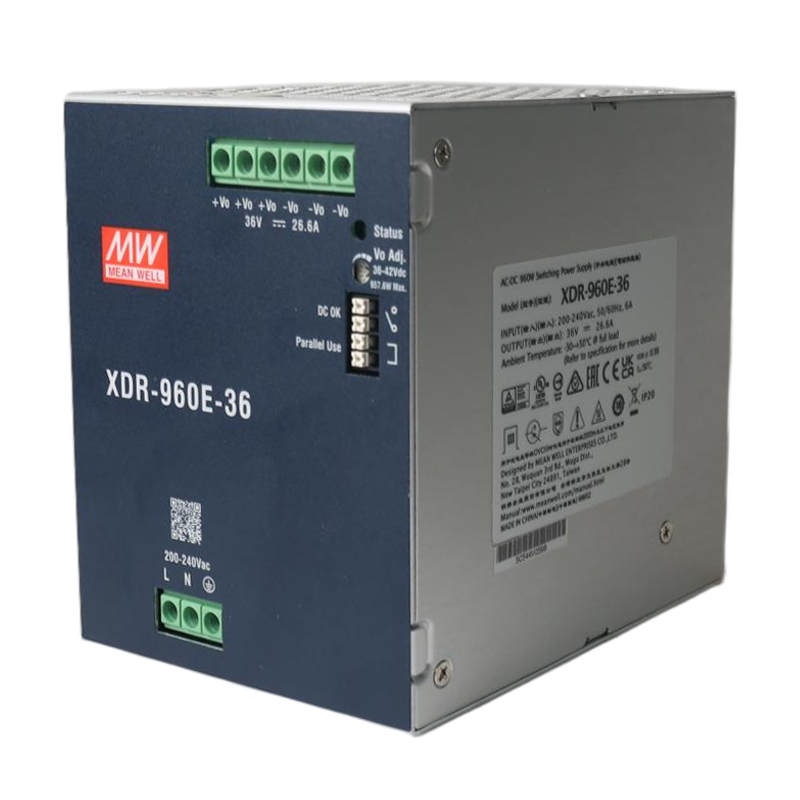
MeanWell XDR-960E-24/36/48 24V 40A 960W DIN Rail Switching Power Supply with Parallel Function
- Nominal Current: 24V DC / 40A
- Total Output: 960 Watts Continuous
- Scalability: Parallel Active Sharing (3+1)
- Application: Centralized Microgrid DC Bus
Engineering Overview: Demystifying Modified Sine Wave Inverters in Northwestern Cambodia
In the evolving electrical landscape of Cambodia, specifically across Siem Reap Province, power system reliability presents unique challenges and economic realities. While utility modernization driven by Electricité du Cambodge (EDC) continues to expand the primary 22kV distribution grid, regional commercial operations, rural resort compounds, and distributed agro-processing facilities regularly encounter extreme voltage sags, power outages, and steep kilowatt-hour utility tariffs. In this operating context, procuring industrial-grade power inverters from established Chinese manufacturing hubs remains the primary strategy for ensuring uninterrupted productivity.
Modified sine wave inverters—frequently designated in electrical engineering literature as modified square wave or quasi-sine wave converters—approximate a standard alternating current waveform using a stepped, three-level switching pattern. Unlike pure sine wave units that synthesize smooth sinusoidal voltages through high-frequency pulse-width modulation (PWM) filter networks, modified sine wave topologies utilize simpler H-bridge switching mechanisms. This fundamental topological difference yields significant advantages for B2B buyers in Siem Reap:
- Capital Expenditure Optimization: Modified sine wave architectures eliminate high-order low-pass LC filter banks and intricate microprocessor gating algorithms, reducing bill-of-materials (BOM) manufacturing costs by 35% to 55% compared to pure sine wave equivalents.
- Circuit Resilience: With fewer active semiconductor switches and reduced circuit complexity, modified sine wave inverters exhibit lower component failure rates when exposed to violent grid transients and thermal shock common in tropical developing regions.
- Exceptional Resistive Load Efficiency: For non-inductive applications—such as emergency lighting arrays, heating elements, basic switch-mode power supplies (SMPS), telecommunication transceivers, and battery charging stages—modified sine wave architectures achieve electrical conversion efficiencies exceeding 92%.
Pure Sine Wave vs. Modified Sine Wave: Engineering Selection Criteria
System integrators and procurement engineers in Siem Reap must carefully evaluate total harmonic distortion (THD) characteristics against application demands. A standard modified sine wave output exhibits THD levels typically between 20% and 30%, manifesting as rapid zero-crossing step transitions. Below is an engineering comparison matrix designed to guide procurement teams toward the most cost-effective inverter architecture:
| Performance Dimension | Modified Sine Wave (Quasi-Square) | Pure Sine Wave (PWM Sinusoidal) | Relevance to Siem Reap Deployments |
|---|---|---|---|
| Waveform Harmonic Distortion (THD) | 20% – 32% THD (Stepped Waveform) | < 3% THD (Clean Sinusoid) | Acceptable for resistive loads and modern wide-input switch-mode supplies (Mean Well LRS/HDR). |
| Cost per Watt ($/W Installed) | $0.06 – $0.12 / Watt | $0.18 – $0.35 / Watt | Vital for high-volume rural microgrids, NGO electrification, and roadside retail backup power. |
| Inductive Motor Compatibility | Noticeable thermal rise (15–20%), acoustic buzz | Native compatibility; nominal operational temperatures | Submersible agricultural pumps and HVAC compressors require pure sine wave or oversize derating. |
| Switching Electronics (SMPS / Drivers) | Native compatibility across universal input stages | Native compatibility across universal input stages | LED drivers, CCTV cameras, POS terminals, and telecom gear operate seamlessly on both. |
| Tropical Thermal Tolerance | Higher resilience due to lower switching loss | Requires complex multi-fan forced cooling at 45°C | Critical for unconditioned Cambodian utility rooms, rooftop enclosures, and outdoor sheds. |
Localized Application Scenarios Across Siem Reap Province
The operational landscape in Siem Reap extends far beyond standard urban commercial zones. Chinese inverter manufacturers working with Belmo engineer hardware explicitly tailored to the localized climatic and geographic realities of Northwestern Cambodia:
Angkor Eco-Resorts & Boutique Hospitality
Boutique hotels and heritage eco-lodges along the Siem Reap River operate extensive perimeter LED lighting, security CCTV setups, and garden landscape illuminations. Utilizing modified sine wave inverters paired with high-efficiency Mean Well LRS-50-12 and LRS-450-12 power units allows property engineers to maintain reliable emergency power during monsoon grid disconnects without incurring prohibitive capital expenditures.
Tonle Sap Floating Villages & Boat Fleets
Communities in Chong Kneas, Kampong Phluk, and Mechrey live completely disconnected from the national electrical grid. Floating medical clinics, mobile tourist boats, and residential barges rely on 12V and 24V marine deep-cycle battery banks. Rugged modified sine wave inverters convert stored chemical energy into 220V AC for onboard communications, low-voltage refrigeration, domestic fans, and battery recharging systems.
Agro-Industrial Cold Chains & Milling
Cassava drying yards and organic rice milling outposts around Kralanh and Chi Kraeng encounter regular low-voltage conditions (under 170VAC on nominal 230V feeds). Incorporating DIN-rail switching power supplies like the WDR-480-24 (supporting ultra-wide 180~550VAC inputs) alongside heavy-duty inverters ensures control PLCs and sensor instrumentation remain energized despite drastic grid fluctuations.
Market Trends: The Energy Transition in Northwestern Cambodia (2025–2030)
The procurement landscape in Siem Reap is experiencing a structural pivot. Historically characterized by low-cost, unbranded consumer inverters sourced informally across border crossings, local contractors, commercial facility directors, and telecom infrastructure providers now demand verifiable manufacturing provenance, documented MTBF (Mean Time Between Failures), and factory-direct warranty backing. Key industry trends driving market evolution include:
- Hybridization of Solar Photovoltaic Systems: Commercial entities are increasingly combining rooftop solar arrays with hybrid inverter setups. Modified sine wave units are deployed selectively for secondary backup circuits, isolating expensive pure sine wave inverters strictly for sensitive IT server infrastructure and variable-speed compressor cooling.
- Transition from Flooded Lead-Acid to Lithium Iron Phosphate (LiFePO4): Chinese manufacturers are upgrading modified sine wave inverter charging profiles. Firmware modifications now support higher charging cut-off voltages, customized float stages, and communication integration compatible with 48V prismatic lithium battery modules.
- Harsh Environment Thermal Hardening: Siem Reap regularly experiences dry-season ambient temperatures surpassing 41°C, accompanied by relative humidity levels over 85% during the monsoon season. Modern Chinese industrial manufacturing incorporates conformal PCB coating against salt spray and tropical moisture, alongside oversized extruded aluminum heatsinks allowing continuous operation without aggressive thermal derating.
Shenzhen Belmo Technology: The Manufacturing Advantage for Cambodian Importers
Shenzhen Belmo Technology Co., Ltd. serves as the premier engineering bridge connecting Chinese manufacturing capabilities with industrial power requirements across Southeast Asia. Sourcing through Belmo delivers structural supply chain and quality control guarantees that mitigate the risks traditionally associated with overseas procurement:
Independent third-party SGS verification certifies Belmo's physical production facilities, assembly lines, inventory management, and trading capabilities in Shiyan Subdistrict, Shenzhen.
Every inverter and switching power supply unit undergoes full-load automated burn-in testing, high-potential voltage isolation tests (Hi-Pot), and optical serial number validation before packaging.
Cambodian engineering contractors benefit from flexible Minimum Order Quantities (1 to 5 pieces per reference), enabling consolidated container shipping combining DIN-rail, LED drivers, and inverters.
Siem Reap Engineering Procurement: Frequently Asked Questions (FAQ)
Practical technical answers addressing common import, integration, and operational questions raised by Cambodian project developers and technical buyers:
Can modified sine wave inverters safely power LED fixtures and drivers?
Yes. Commercial LED installations utilizing modern switch-mode power supplies (such as the Mean Well LRS, RS, and HDR series) rectify the incoming alternating current immediately into an internal high-voltage DC bus via diode bridge rectifiers. Because the conversion stage relies on DC bus voltage rather than sinusoidal zero-crossings, modified sine wave inputs perform reliably without damaging the drivers or degrading luminous efficacy.
How does Siem Reap’s high ambient temperature affect inverter sizing?
With unconditioned enclosure temperatures regularly exceeding 40°C in Cambodia, electrical engineers must incorporate a thermal derating factor of 15% to 25%. If an off-grid installation requires 1,000 Watts of continuous power, procurement managers should specify a modified sine wave inverter with a minimum nominal continuous rating of 1,250 Watts to 1,500 Watts to prevent premature over-temperature shutdown.
What protection mechanisms exist against the extreme humidity of Tonle Sap?
Belmo coordinates conformal coating (polyurethane or silicone-based resin) across all interior printed circuit boards on units earmarked for aquatic and high-humidity environments. This protective layer insulates sensitive SMT traces against moisture condensation, insect ingress, and atmospheric oxidation common in floating lake communities and riverfront compounds.
Can modified sine wave inverters run ceiling fans and water pumps in Siem Reap?
Conventional single-phase AC induction motors will run, but the harmonic distortion of modified sine waves causes eddy current losses inside the motor laminations. This results in audible electromagnetic hum and a 15% to 20% increase in operating heat. For long-term duty water pumps, pure sine wave power or dedicated solar VFD (Variable Frequency Drive) controllers are recommended; however, resistive ventilation fans and intermittent tools operate satisfactorily on modified sine wave systems.
What is the typical shipping lead time and customs procedure from Shenzhen to Siem Reap?
Consolidated ocean freight from Shenzhen/Guangzhou ports to Sihanoukville Port typically takes 10 to 14 days, followed by land transit to Siem Reap customs clearing dry ports within 3 to 4 days. Express air freight via Phnom Penh International Airport (PNH) or Siem Reap–Angkor International Airport (SAI) reaches buyers within 4 to 6 business days. Belmo provides complete commercial documentation, packing lists, and Certificate of Origin (Form E) for preferential import duties under the ASEAN-China Free Trade Agreement.
How does Belmo handle warranty claims and technical support for Cambodian clients?
All genuine Mean Well power supplies and associated inverter units carry standard factory warranties ranging from 2 to 7 years depending on model series. In the event of field issues, Belmo's Shenzhen technical team conducts rapid diagnostic analyses via photographic/video review and provides replacement modular components or direct unit replacements in subsequent shipments to ensure zero downtime for local Cambodian projects.
Accelerate Your Siem Reap Power Infrastructure Projects
Direct factory pricing, comprehensive technical data sheets, CE/RoHS/UL certification documentation, and complete inverter catalogs tailored to Cambodian climate conditions and voltage parameters.