Verified Industrial Inverters & Power Supplies Ready for Erdenet
Direct supply from Shenzhen Belmo Technology Co., Ltd. Fully inspected, serial-traceable original MEAN WELL power supplies and inverters tested for -40°C start-up, harmonic rejection, and TS-35 DIN-rail industrial resilience.
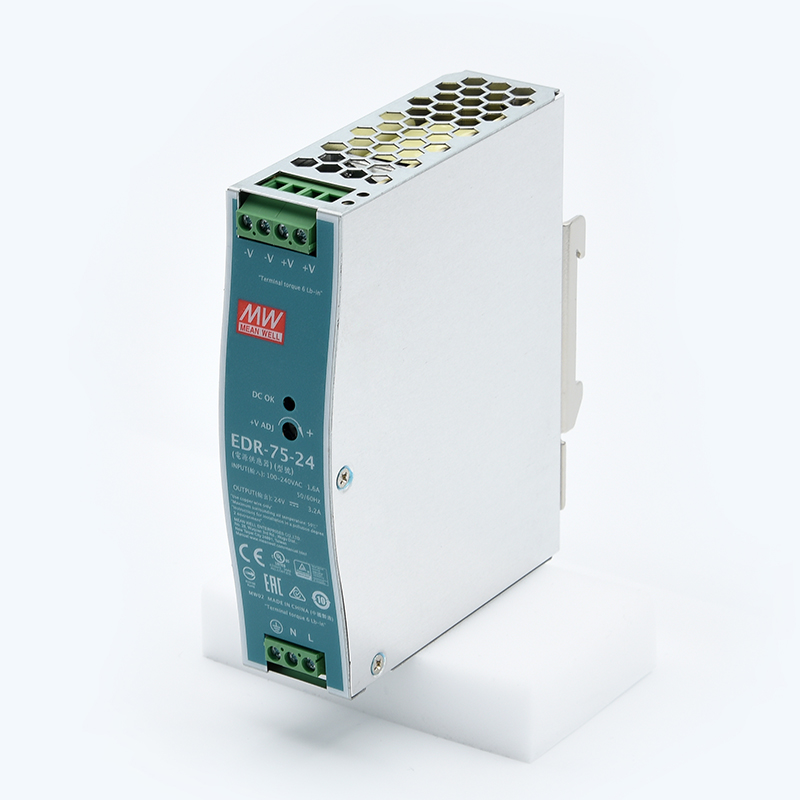
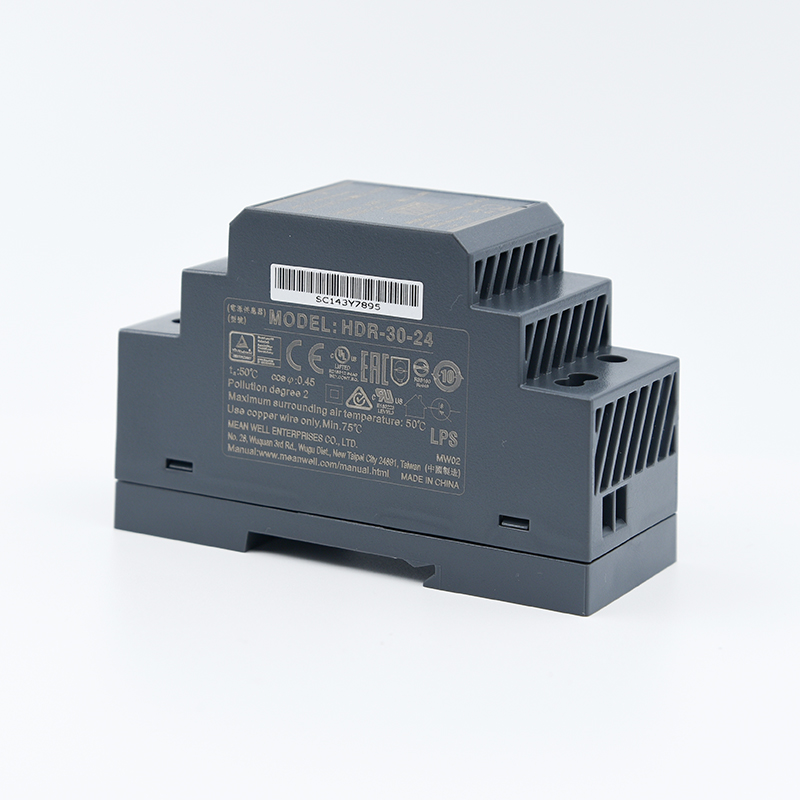
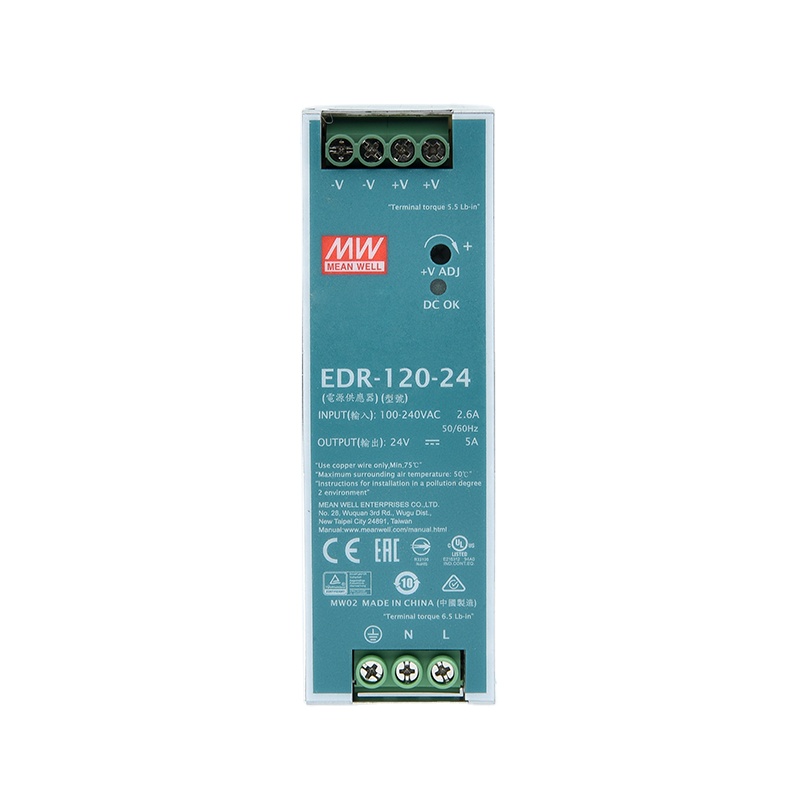
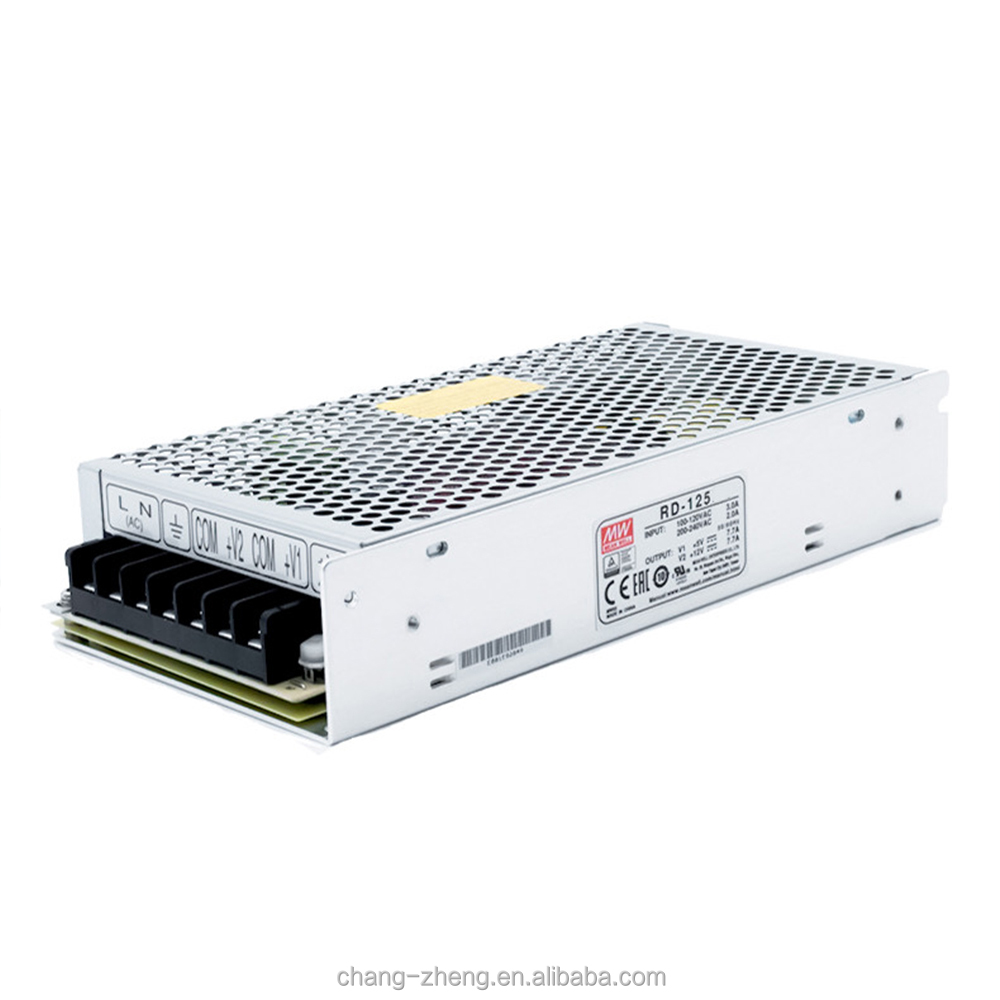
Solar Inverter Architectures & Industrial DC Power Conversion in Extreme Sub-Zero Mining Environments
Deploying photovoltaic generation and energy storage systems across Erdenet (Orkhon Province, Mongolia) introduces rigorous electromechanical constraints that generic commercial solar equipment fails to address. Situated at an elevation of approximately 1,300 meters above sea level within the Selenge-Orkhon river basin, Erdenet experiences an extreme continental subarctic climate. Winter temperatures consistently plunge below -35°C, occasionally dropping past -45°C during severe anticyclonic episodes. Concurrently, summer ambient conditions trigger heavy solar irradiance (>1,650 kWh/m² annually across 260-290 clear days) coupled with elevated ultraviolet exposure and windblown mineral dust generated by open-pit copper-molybdenum concentration complexes.
As a global solar inverter manufacturer and specialized industrial power exporter, Shenzhen Belmo Technology Co., Ltd. integrates original MEAN WELL power architectures, high-frequency pure sine wave topologies (including the NTS series), and ultra-rugged DIN-rail auxiliary power supplies designed to surmount these geographical hurdles. Sourcing equipment for Erdenet requires an empirical grasp of cold-start semiconductor characteristics, atmospheric dielectric derating at altitude, and harmonic mitigation when synchronizing with the Mongolian Central Energy System (CES).
Engineering Imperative: In sub-zero Siberian air masses, standard electrolytic capacitors suffer severe electrolyte freezing, causing equivalent series resistance (ESR) to spike by up to 300%. Our localized inverter configurations utilize solid polymer capacitors, low-temperature electrolytic formulations, and integrated PTC pre-heating paths capable of cold booting at -40°C without catastrophic breakdown.
1. Critical Electrical Design Criteria for Orkhon Province Deployments
Photovoltaic installations operating in northern Mongolia encounter distinct stresses spanning thermal contraction, rapid diurnal swings (often exceeding a 25°C delta in less than 4 hours), and pervasive conductive sulfide particulates. Solar inverter selection must adhere to four mission-critical engineering thresholds:
A. Low-Temperature Cold Cranking & Wide MPPT Tracking Windows: When winter morning sun strikes crystalline solar arrays at -35°C, photovoltaic open-circuit voltage ($V_{oc}$) increases drastically according to the panel's negative temperature coefficient (-0.28% to -0.35%/°C). Inverters deployed around Erdenet must feature extended maximum input voltage tolerances (up to 1,100V DC on centralized strings and 500V DC on distributed micro-strings) to prevent instantaneous bus overvoltage shutdown. In off-grid and hybrid mini-grids, the DC-DC stage must leverage dynamic Maximum Power Point Tracking (MPPT) that executes cold-start sweeps without suffering firmware lockup due to low operating junction temperatures ($T_j$).
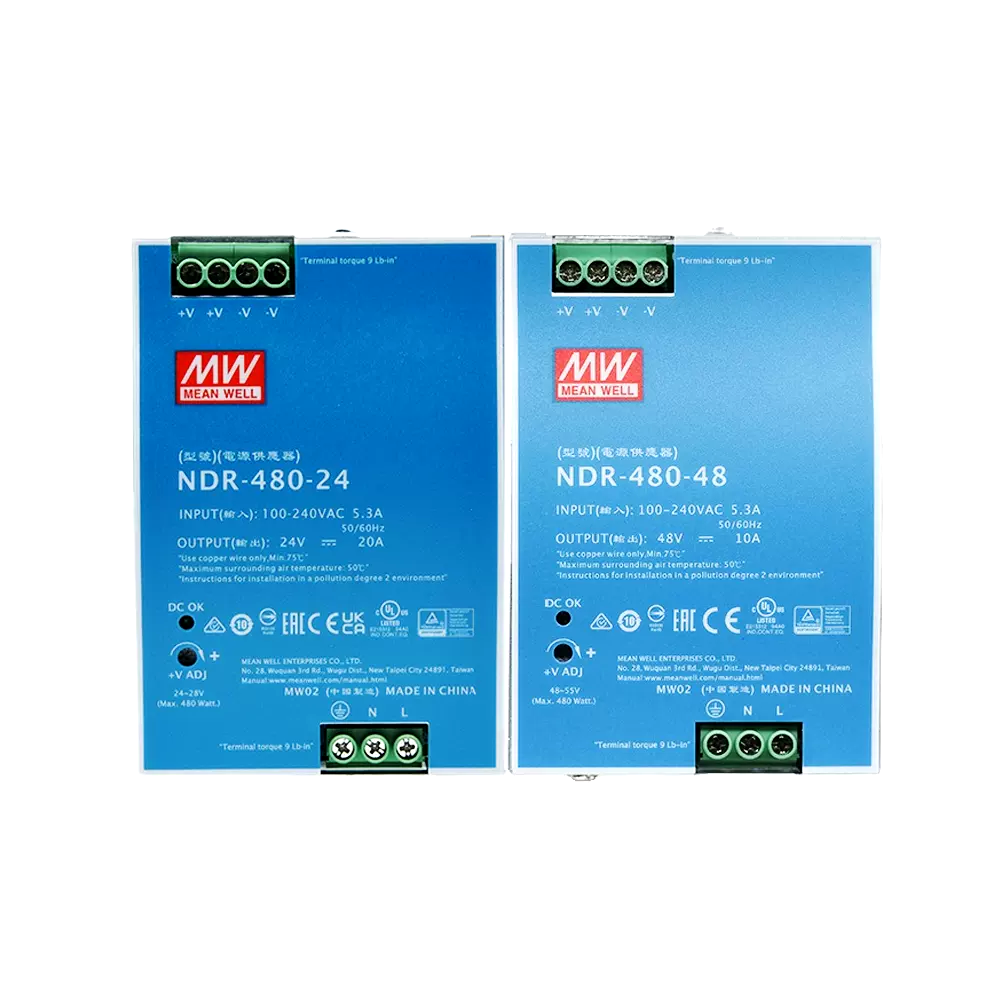
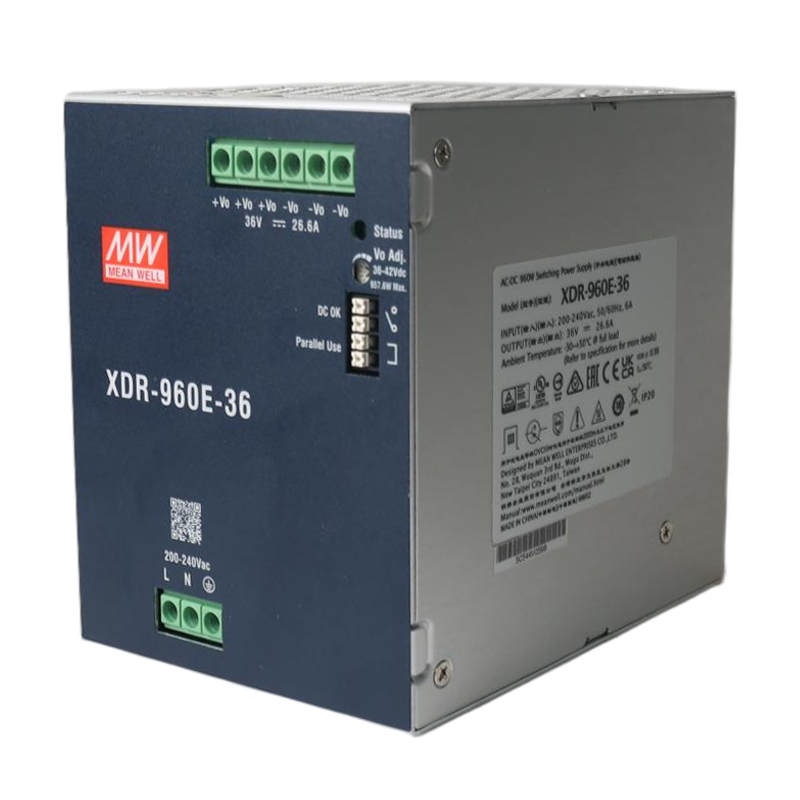
B. Atmospheric Density Derating at High Altitude (1,300m ASL): The reduced air density at Erdenet's 1,300-meter altitude diminishes both dielectric clearance strength and convective heat dissipation. For natural convection models, current capacity is derated by 1% per 100 meters above 1,000 meters. Belmo's technical export department factors in this altitude derating by engineering auxiliary forced-air tunnels, oversize heat sinks, and using industrial-grade components—such as the MEAN WELL NDR-480 and XDR-960E series—which maintain high dielectric withstand voltage (3kV AC I/P-O/P) and full operational integrity across sub-atmospheric pressures.
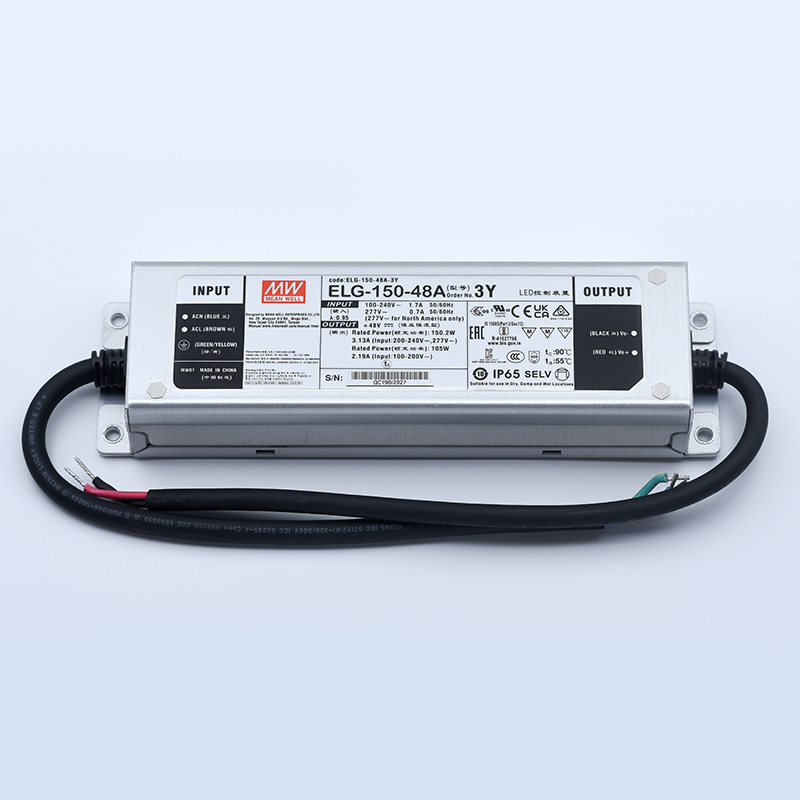
C. Protection Against Conductive Copper Flotation and Tailings Dust: Erdenet hosts one of the world's premier open-cast copper and molybdenum processing hubs (Erdenet Mining Corporation). Tailings ponds and processing circuits disperse fine crystalline quartz, copper sulfides, and airborne mineral salts. Unsealed enclosures suffer tracking breakdown and bridge shorts. All exterior balance-of-system power supplies—including our ELG-150-24A and HLG series—feature IP65 to IP67 aluminum potted enclosures sealed with thermally conductive silicone, completely isolating delicate gate-drive circuitry from abrasive mineral particulates.
2. Localized Application Scenarios Across Erdenet
Industrial electrification and municipal modernization across Orkhon Province rely on distributed, failure-proof DC conversion topologies. Below are the key localized deployment vectors where Belmo-supplied inverter and DIN-rail switching systems deliver essential uptime:
Mining SCADA & Telemetry
Auxiliary 24V/48V DIN-rail power units (NDR-480 & XDR-960E) powering remote wireless IoT sensors, conveyor monitoring, and slurry pipe cathodic telemetry across EMC open-pit perimeters.
Ger District Solar Microgrids
Decentralized off-grid pure sine wave inverters integrated with lithium-iron phosphate storage, transitioning suburban Erdenet households away from raw coal burners to clean electric radiant panels.
CES Grid-Tie Peak Shaving
Three-phase hybrid string inverters mitigating industrial tariff peaks during Erdenet's evening energy surges, stabilizing regional grid loops with active reactive power compensation (P-Q regulation).
Pastoral Deep-Well PV Pumping
Variable frequency drive (VFD) solar pump inverters operating across the Orkhon River valley, supplying year-round livestock watering under sub-zero groundwater discharge conditions.
3. Erdenet’s Renewable Energy Transition & Policy Trends
The municipal government of Erdenet and the Ministry of Energy of Mongolia have accelerated the transition toward decentralized renewables under the national "Vision 2050" and "New Recovery Policy" (Shine Serekhel) frameworks. Key macroeconomic and regulatory dynamics currently reshaping regional solar procurement include:
Coal-to-Solar Industrial Mandates
To curb winter air pollution and reduce reliance on aging coal thermal plants (such as Erdenet Thermal Power Station), regional regulations now offer fast-track approvals and grid-interconnection priority for commercial and industrial (C&I) rooftop installations utilizing IEEE 1547 and IEC 62109 certified inverters.
Battery Storage (BESS) Modernization
With high penetration of fluctuating solar energy, the Orkhon regional dispatch requires new installations above 50kW to integrate hybrid bidirectional inverters capable of frequency regulation and black-start functionality. This maintains network balance against sudden mining dragline load shifts.
Sub-Zero Component Localization
Government EPC tenders have phased out unverified low-temperature hardware. Engineering bid specifications strictly stipulate independent third-party laboratory verification (such as SGS or TÜV) ensuring -40°C cold-start survivability and silicone conformal coating protection against sulfurous airborne compounds.
4. Why Procurement Teams in Mongolia Partner with Belmo
Shenzhen Belmo Technology Co., Ltd. stands as an established, audit-verified B2B supply hub based in Shenzhen's Shiyan industrial corridor. Procurement managers across Mongolia choose Belmo to mitigate quality, counterfeit, and shipping risks through our verified trade infrastructure:
SGS On-Site Audited Facility
Our operations, physical inventory holding, and quality control benches have undergone rigorous on-site audit by SGS. Buyers receive verifiable transaction credentials and factory-traceable production batch data.
100% Pre-Shipment Power-On Testing
Before leaving our warehouse for transit to Erdenet via Erenhot (Zamiin-Uud), every inverter and power supply undergoes automated full-load burn-in and dielectric withstand tests to guarantee zero DOA upon arrival.
Low MOQ & Mixed Container Logistics
From 1-5 piece engineering trial samples up to full container consolidations, Belmo provides comprehensive customs documentation (CO, Form E, CE, CB, RoHS, EAC) customized for cross-border Mongolian clearance.
5. Frequently Asked Questions by Erdenet Procurement Engineers
Direct technical answers addressing the most common inquiries received from EPC contractors, mine electrical supervisors, and equipment distributors in Orkhon Province:
Q1: How do your inverters and switching supplies survive -40°C Erdenet winters?
Our industrial inverters and power supplies (such as the MEAN WELL NDR, EDR, and NTS pure sine wave lines) employ specialized low-ESR capacitors, wide-temperature industrial grade silicon MOSFETs, and thermal bias circuits designed to start reliably without pre-warming down to -40°C. Furthermore, interior circuit boards can be customized with military-spec silicone conformal coatings to prevent trace oxidation caused by condensation during rapid freeze-thaw cycles.
Q2: What shipping routes and lead times apply for cargo delivered to Erdenet?
From our Shenzhen logistics center, air-express consignments (DHL/FedEx) typically arrive in Ulaanbaatar within 4-7 business days, followed by domestic rail or road transit to Erdenet (24-48 hours). For project-scale volume shipments, multimodal container freight moves rail-bound via Tianjin / Erlian (Erenhot) to Zamiin-Uud customs terminal and directly up the Trans-Mongolian railway artery into Erdenet station within 18-25 days.
Q3: Can these inverters handle severe voltage swings and inductive motor surges from mining plant lines?
Yes. MEAN WELL NDR and XDR series feature ultra-wide AC input voltage ranges (90 to 264V AC universal or 340-550V AC 3-phase) and incorporate active Power Factor Correction (PFC > 0.95). In pure sine wave inverter applications (such as the NTS series), peak surge capacity reaches up to 200% of nominal wattage for 30 cycles, effortlessly handling the inductive inrush currents generated by borehole water pumps, compressors, and hydraulic actuators without tripping protection locks.
Q4: How does Belmo guarantee product authenticity and warranty processing for Mongolian buyers?
All MEAN WELL power supplies and inverters supplied by Shenzhen Belmo Technology Co., Ltd. are 100% original, bearing factory laser-etched serial numbers and official 2D verification matrices. Every shipment is accompanied by original manufacturer test certificates. Warranty support follows MEAN WELL's official policy ranging from 2 to 7 years depending on the series (e.g., LRS: 3 years; NDR: 3 years; HLG: 7 years). In the rare event of a validated field failure, replacements are handled promptly via expedited air replacement channels.
Q5: What are the recommended auxiliary power supplies for PLC cabinets exposed to outdoor cold?
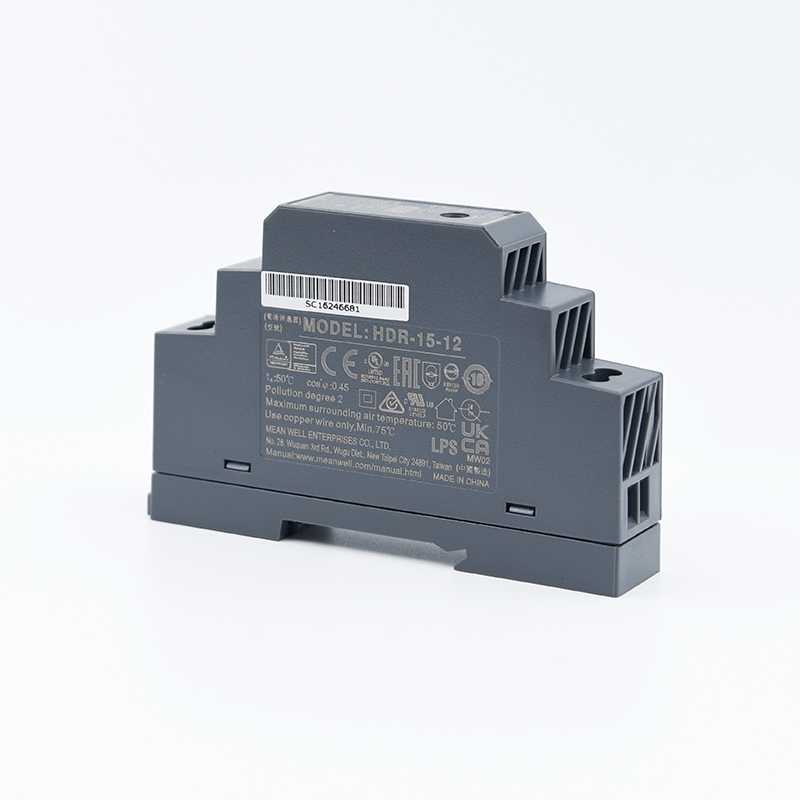
For unheated outdoor electrical enclosures and solar combiner boxes in Erdenet, we strongly recommend the TS-35 DIN-rail NDR-120, NDR-480, or compact HDR-30 series. These units are rated for cold environments, possess robust electromagnetic compatibility (EMC EN55032 Class B), and exhibit high resistance to vibration and mechanical shock conforming to IEC 60068-2-6 standards.