High-Efficiency Mean Well LED Drivers & Industrial Switched-Mode Power Supplies
Curated for Boston electrical contractors, lighting OEMs, and automation integrators requiring Class 2 power isolation, tight voltage regulation, and certified reliability under continuous 24/7 commercial duty cycles.
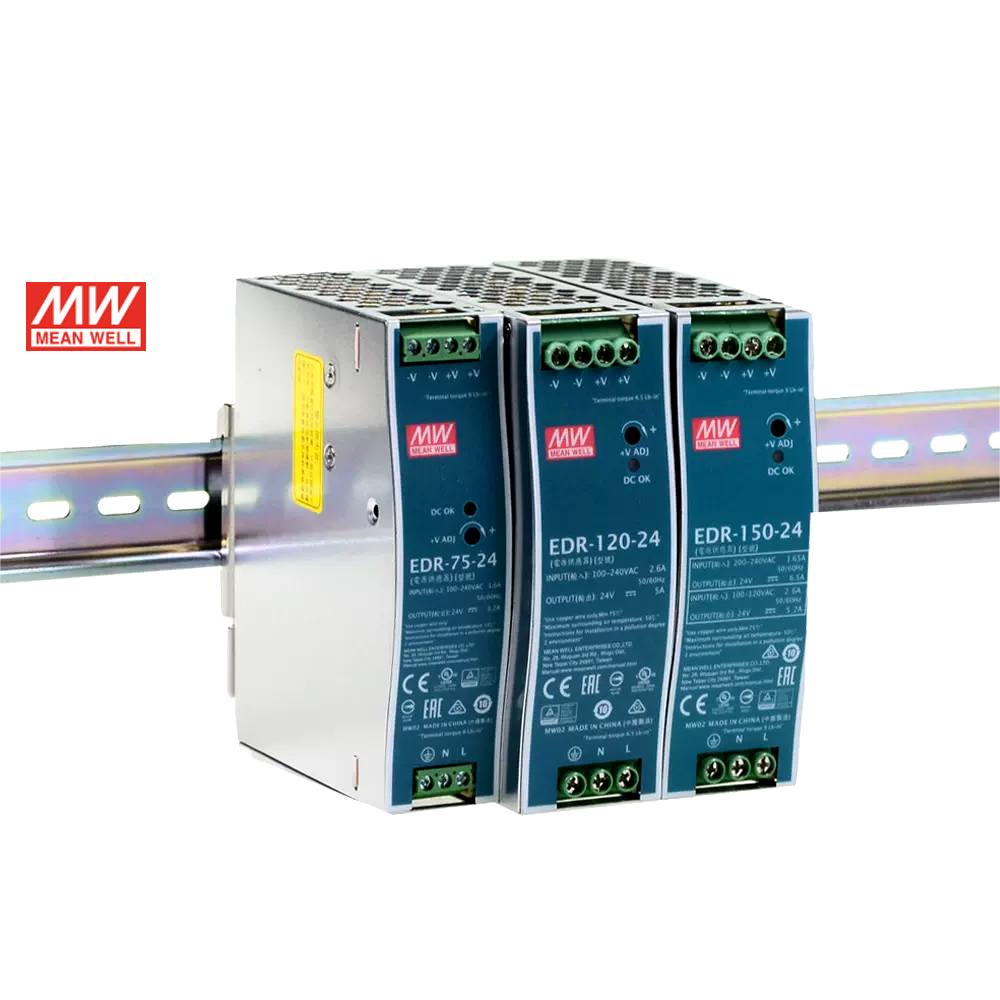
MeanWell EDR-75/120/150-12/24/48 24V 12V 48V 75W 100W 150W Mean Well Switching DIN Rail Power Supply for Industrial
- TS-35 DIN Mount
- 12V / 24V / 48V
- 75W–150W
- UL508 Approved
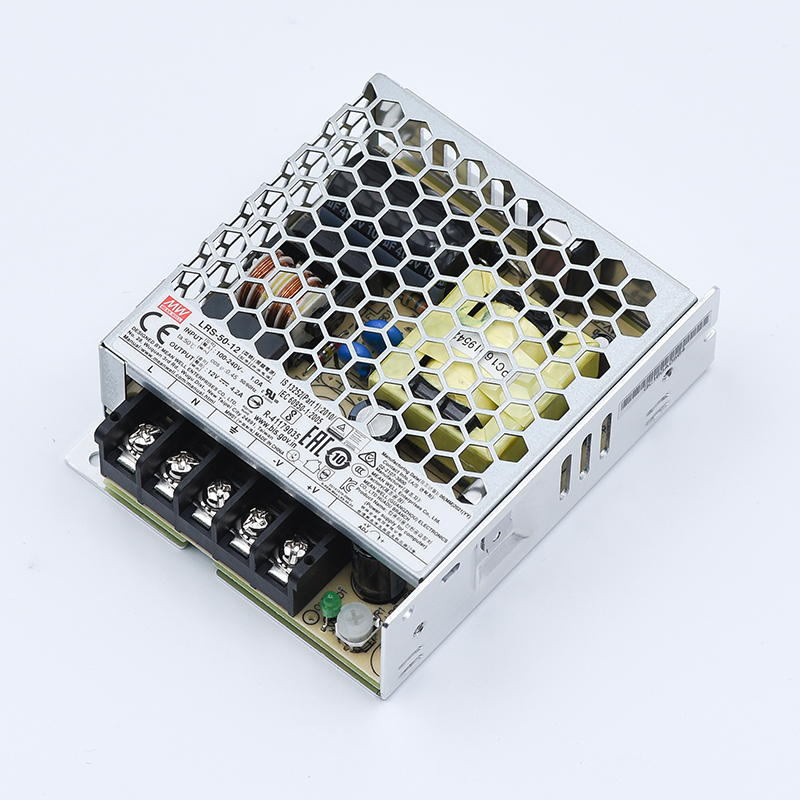
Meanwell 12V 4.2A 50W LRS-50-12 Switching Power Supply for LED Strip CCTV
- 1U Low Profile (30mm)
- 12V DC @ 4.2A
- No Load <0.2W
- 5G Vibration
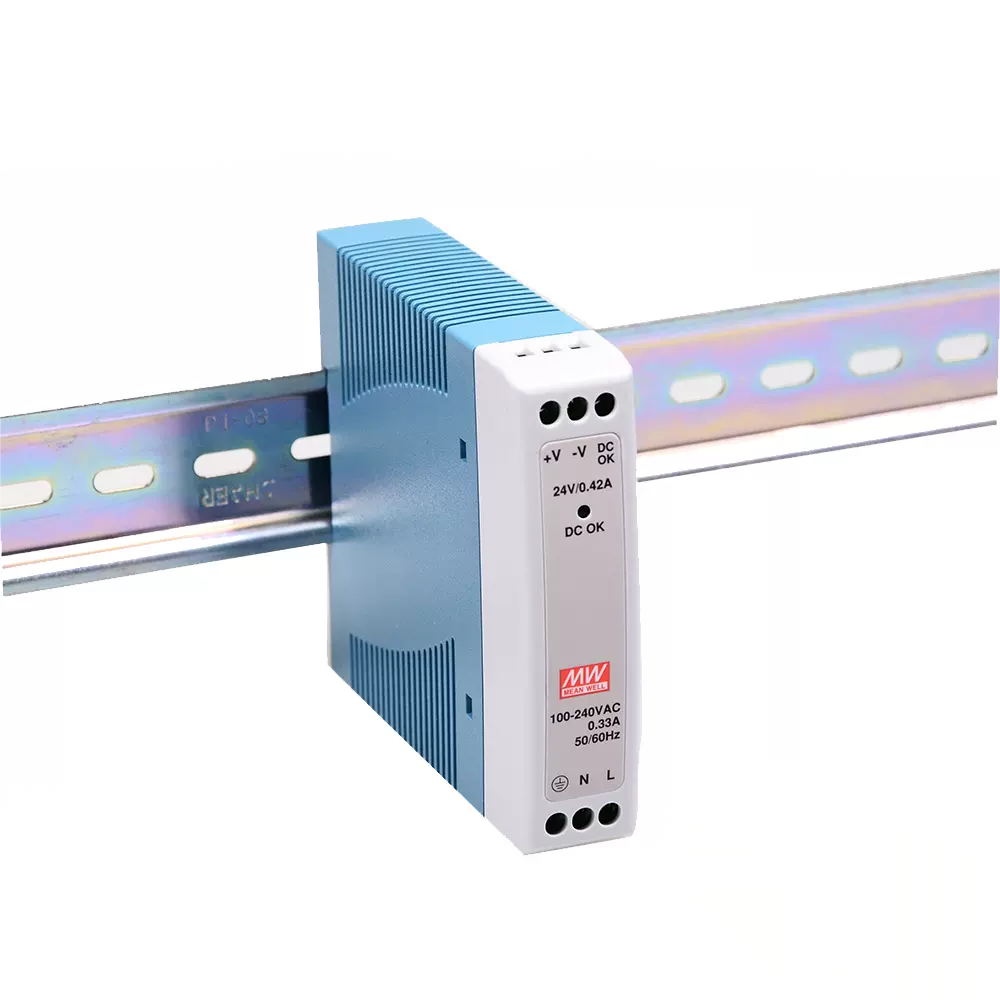
MeanWell MDR-10-5 10W 5V 2A 12V 15V 24V Mean Well Din Rail Switching Power Supply for Automation Industrial
- 22.5mm Width
- 5V / 12V / 24V
- NEC Class 2 / LPS
- LED Status Indicator
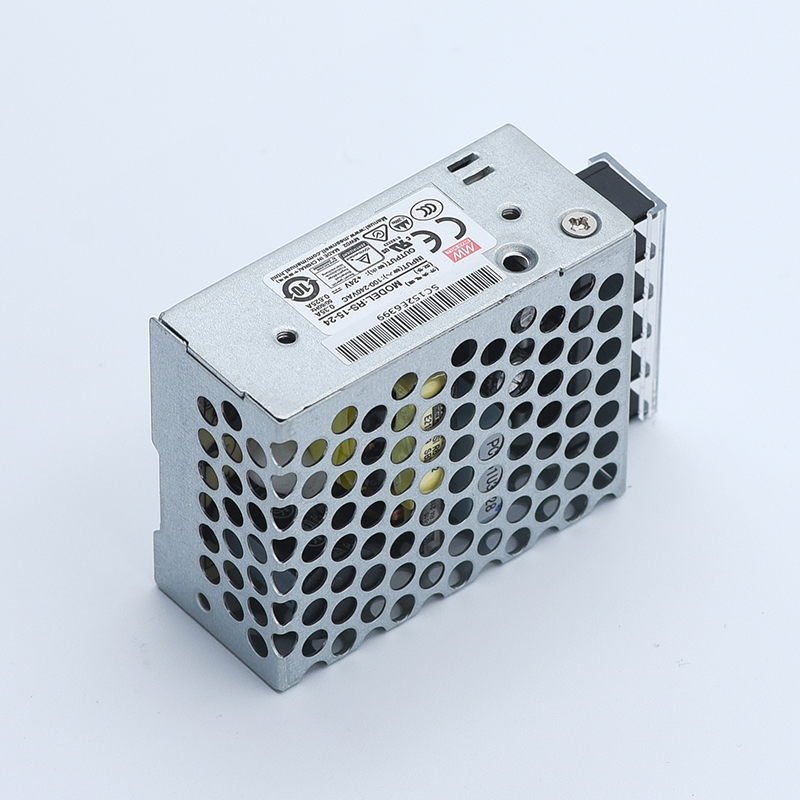
Meanwell Mean Well RS-15-24 24V 0.625A 15W 3.3V 5V 12V 15V 48V Switching Power Supply for Industrial Automation
- 15W Mini Enclosure
- 24V DC Output
- Long Life Electrolytic
- Short Circuit / Overload
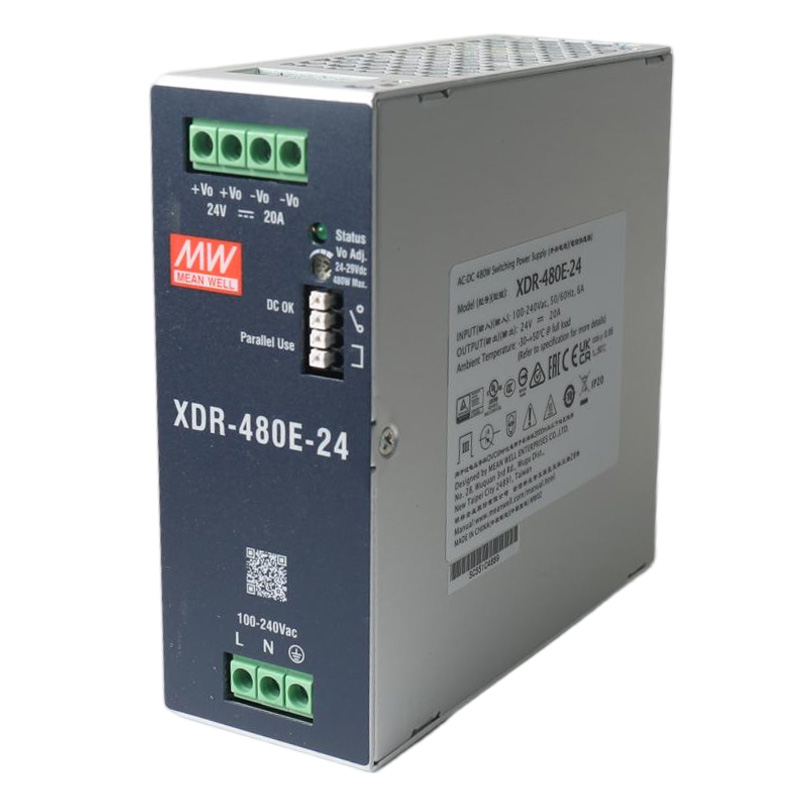
MeanWell XDR-480E-12/24/36/48 24V 20A 480W Mean Well DIN Rail Switching Power Supply 48V 36V 12V
- 480W Industrial Output
- 24V @ 20A Capacity
- High Surge Tolerance
- Precision V-Adj Pot
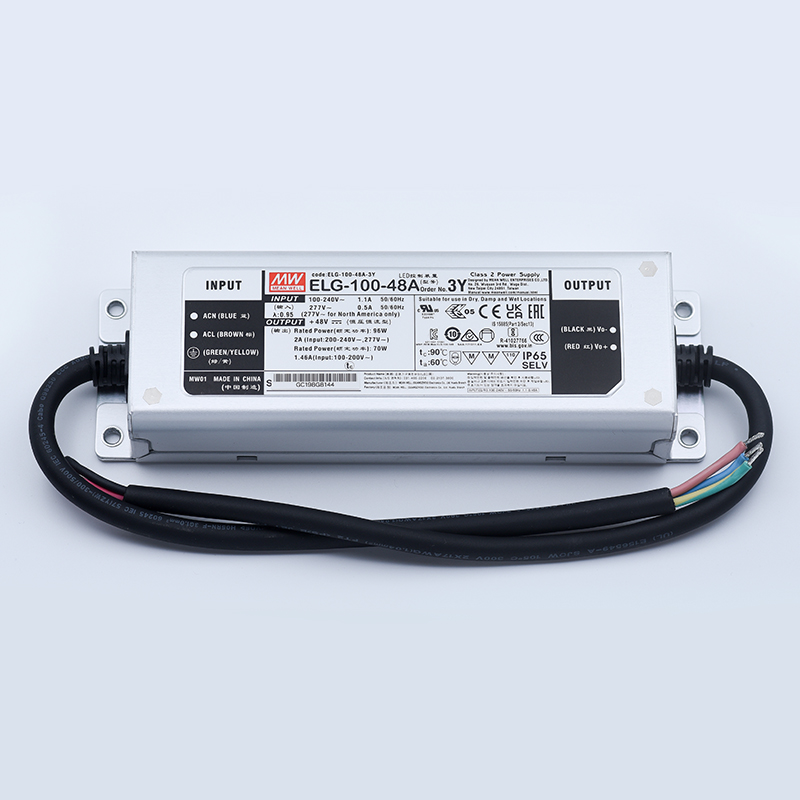
MeanWell ELG-100-24A-3Y 4A 24V 100W Waterproof IP67 Mean Well LED Driver for LED Strip
- IP67 Aluminum Shell
- 24V Constant Voltage
- Built-in Active PFC
- 5-Year Warranty
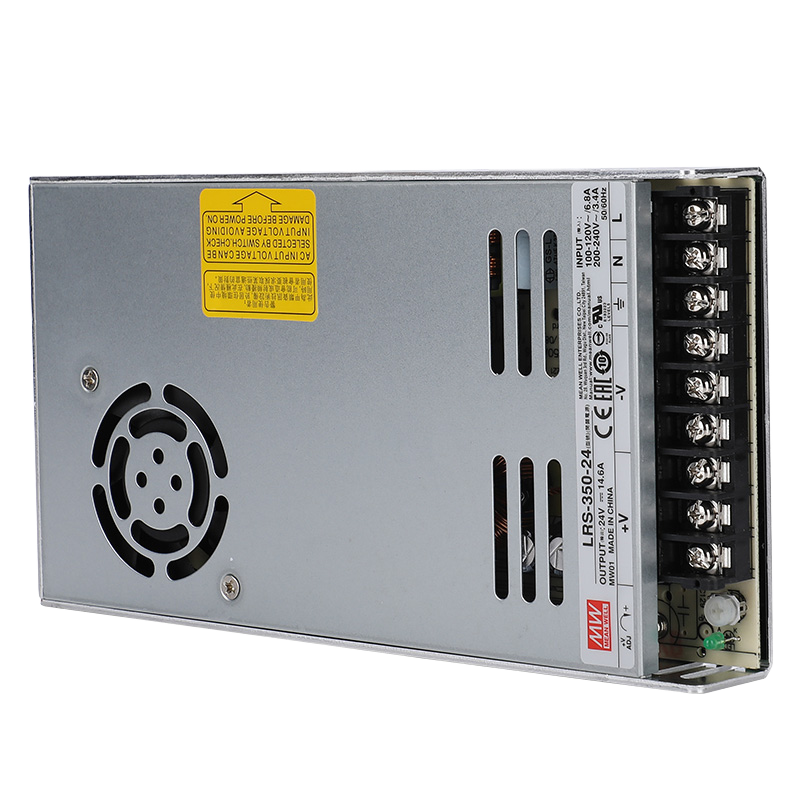
MeanWell LRS-350-24 3.3V 4.2V 5V 15V 24V 36V 48V 12V 20A 350W Power Supply Led Strip
- 350W Active Forced Cooling
- 24V @ 14.6A Output
- 300VAC Surge Input
- High Thermal Margin
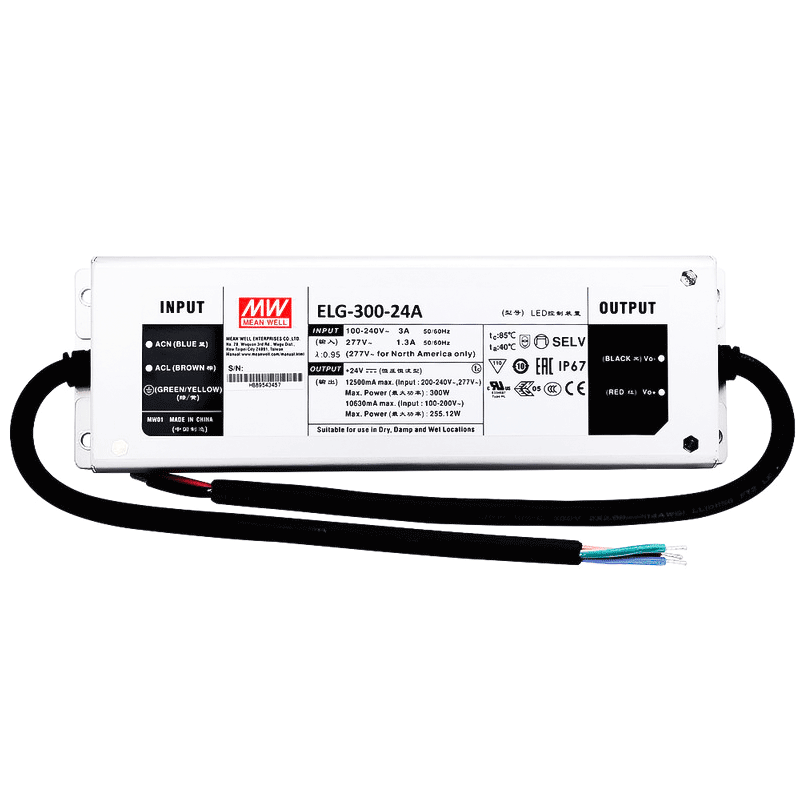
Mean Well ELG-300-24A 300W 24V 12.5A LED Power Supply Waterproof IP67 MeanWell LED Driver for LED Strip Light
- 300W Continuous Load
- 24V @ 12.5A High Output
- 6kV Lightning Surge
- IP67 Fully Potted
Engineering LED Strip Power Delivery in Greater Boston: Navigating Climate, Codes, & Historic Architecture
Specifying switched-mode power supplies (SMPS) and constant-voltage LED drivers in the Greater Boston metropolitan area requires an understanding of distinct regional engineering hurdles. Unlike newer Sunbelt commercial builds, electrical installations in Boston, Cambridge, Somerville, and Quincy navigate historic masonry, rigid energy conservation ordinances, and a punishing maritime climate. For master electricians, MEP engineering consultancies, and commercial lighting designers, power supply selection directly dictates project permitting, harmonic compliance, thermal lifespan, and lifecycle maintenance costs.
“In retrofitting historic brick-and-beam spaces across Boston’s Financial District and Seaport, Class 2 wiring isolation isn't merely an electrical code clause; it is the boundary between seamless non-conduit architectural integration and prohibitive structural modifications.”
1. Historic Brick-and-Beam Retrofits & Class 2 Voltage Isolation
Boston's architectural heritage—spanning 19th-century brownstones in Back Bay to converted heavy-timber industrial mills along the Fort Point Channel—presents severe spatial and fire barrier constraints. Running rigid metallic conduit through centuries-old post-and-beam timber or exposed historic brickwork often violates local preservation mandates or incurs prohibitive labor costs. Under the National Electrical Code (NEC Article 725) enforced throughout the Commonwealth of Massachusetts (527 CMR 12.00 / Massachusetts Electrical Code), specifying certified NEC Class 2 Power Supplies is vital.
A Class 2 certified power supply, such as the Mean Well MDR-10 or localized multi-channel ELG variants, limits continuous secondary DC output to a maximum of 100VA (typically 4.16A at 24V DC). This output boundary eliminates fire ignition risks and shock hazards, permitting licensed Boston installers to run plenum-rated or CL2-rated low-voltage wiring within architectural millwork, historic cornices, and cove cavities without metallic conduit encasement. When higher total wattage is mandated for architectural grazing or wall-washing along multi-story atriums, distributed Class 2 drivers configured in modular junction panels prevent localized overheating while maintaining absolute compliance with local inspection boards.
2. Seaport District, Boston Harbor Marine Air & Winter Freeze-Thaw Stresses
Commercial developments in the Boston Seaport District, East Boston waterfront, and Charlestown Navy Yard face an aggressive coastal atmosphere. Saline marine fog combined with high humidity accelerates galvanic corrosion across non-sealed electrical connections. Furthermore, Boston winters subject outdoor and semi-exterior lighting gear to rapid freeze-thaw cycles, with ambient temperatures plummeting below -15°C (5°F) during polar vortex events, interspersed with salt-laden moisture.
Standard IP20 ventilated power supplies installed in exterior signs, canopy coves, or parking garage perimeters experience premature electrolytic capacitor failure and PCB trace dendritic shorts. For these coastal conditions, Belmo supplies fully potted, aluminum-housed Mean Well ELG-100 and ELG-300 series drivers featuring true IP67 ingress protection. The specialized thermal-conductive silicone potting completely encapsulates internal magnetics, active switching components, and ceramic capacitors. This prevents air pockets that cause internal condensation during rapid thermal cycling, while providing robust mechanical damping against 5G-rated coastal wind vibrations.
3. Cambridge Biotech Cleanrooms, Life Sciences & Low-EMI Thresholds
Across Kendall Square, East Cambridge, and the Longwood Medical Area, the dense concentration of life science incubators, vivariums, and biotech cleanrooms imposes severe electromagnetic compatibility (EMC) limitations on solid-state lighting drivers. Switched-mode power supplies operating on high-frequency pulse-width modulation (PWM) can emit radiated and conducted electromagnetic interference (EMI) back into laboratory branch circuits if not equipped with advanced input filtering.
Unfiltered low-cost power supplies jeopardize the calibration of sensitive instrumentation, including mass spectrometers, DNA sequencing rigs, and NMR imaging systems. Belmo supplies power solutions that strictly conform to FCC Part 15 Class B and EN55032 (CISPR32) Class B emission ceilings. With built-in two-stage common-mode and differential-mode EMI filters, combined with high-grade metal shielding (as engineered into the LRS and DIN-rail EDR lines), conducted line noise is suppressed below lab detection thresholds, ensuring baseline biological experiment stability.
Boston Energy Mandates: BERDO 2.0, Mass Save & Stretch Code Demands
How the City of Boston's net-zero carbon ordinances and Massachusetts commercial building standards impact driver selection and power system design.
BERDO 2.0 Decarbonization
Boston's Building Emissions Reduction and Disclosure Ordinance (BERDO 2.0) levies steep financial penalties on commercial properties over 20,000 sq ft failing to meet declining carbon emission caps. LED strip drivers operating continuously require conversion efficiencies exceeding 92% to prevent parasitic thermal loads that drive up HVAC demand in high-density office corridors.
Efficiency: 92%–95.5%Mass Save Commercial Rebates
Under Massachusetts Mass Save incentive programs, utility-funded rebates require commercial solid-state lighting gear to demonstrate power factor correction (Active PFC >0.90) and low Total Harmonic Distortion (THD <20%). Deploying Mean Well ELG and HLG series qualifies developers for maximum prescriptive equipment rebates.
Active PFC >0.95 / THD <15%Centralized Control & 0-10V / DALI-2
ASHRAE 90.1 and the Massachusetts Stretch Energy Code mandate aggressive daylight harvesting and stepped architectural dimming. Modern Boston commercial builds are transitioning from local line-voltage phase-cut dimming to centralized 0-10V, PWM, or DALI-2 low-voltage digital architectures, requiring drivers with smooth dim-to-off performance without flicker.
Continuous Flicker-Free DimmingEngineering Matrix: Mean Well Architectural & Industrial Series
Cross-comparative parameters to streamline specification for Boston electrical design engineers and sub-panel fabricators.
| Series | Mounting / Form Factor | Wattage Spectrum | Ingress Rating | Class 2 Status | Operating Temp Range | Primary Boston Application |
|---|---|---|---|---|---|---|
| LRS Series | Enclosed Metal Chassis (1U Low Profile) | 35W – 600W | IP20 (Ventilated) | Specific models ≤100W | -30°C to +70°C | Indoor dry sign cabinets, dry millwork coves, interior displays |
| ELG Series | Aluminum Sealed Case (Slim Brick) | 75W – 300W | IP67 / IP65 | UL1310 Certified (≤100W) | -40°C to +90°C | Waterfront exterior facades, landscape lighting, damp soffits |
| EDR / NDR | TS-35 DIN Rail Track Mounting | 75W – 480W | IP20 (Cabinet) | Select low-power skus | -20°C to +60°C | Building automation sub-panels, HVAC lighting integration |
| MDR Series | Ultra-Compact TS-35 DIN Rail (Plastic) | 10W – 100W | IP20 (Cleanroom) | Pass (LPS / Class 2) | -20°C to +70°C | Life-science lab automation, vivarium monitoring illumination |
| RS Series | Miniature Perforated Enclosed | 15W – 150W | IP20 (Internal) | Compliant options | -25°C to +70°C | Machinery instrumentation, kiosk backlighting, security consoles |
Why Greater Boston Contractors & OEMs Partner with Belmo
Shenzhen Belmo Technology Co., Ltd. bridges the gap between Asian electronics manufacturing hubs and North American engineering projects, delivering audited quality, zero counterfeit risk, and dedicated procurement support.
Traceable Origin Guarantee
Every unit supplied by Belmo features verified factory serial numbers, original manufacturer barcodes, and date-stamped production tags. We ensure Boston buyers receive genuine, first-tier silicon components with zero refurbished or gray-market substitution risk.
100% Genuine Mean Well100% Pre-Shipment Burn-In
Early component mortality can stall high-visibility commercial installations. Belmo enforces full-load aging and functional power-on tests on every batch prior to export packing. Full bench test logs and visual inspections can be supplied directly to your QA team.
Zero Out-of-Box DOAFlexible B2B Low-MOQ
Engineering prototypes, historic mockups, and maintenance reorders shouldn't demand container-scale commitments. We support Boston lighting fabricators with low Minimum Order Quantities (from 1–5 pcs per SKU) alongside bulk consolidated container rates.
Agile Project SourcingUL, CE & CB Certification Packs
Boston electrical inspectors (ISD) demand clear documentation. Belmo delivers complete compliance files—including UL Listed / Recognized files, CB schematics, CE declarations, and RoHS / REACH certifications—with every formal quotation.
Rapid Inspection Sign-offFrequently Asked Questions: Commercial LED Power Procurement in Boston
Essential regulatory, technical, and logistical answers for electrical project managers and estimators.
Why is NEC Class 2 compliance critical for Boston historic renovations?
Under the Massachusetts Electrical Code (527 CMR 12.00) and NEC Article 725, Class 2 power supplies are electronically current-limited to 100VA. In Boston's historic post-and-beam and masonry structures, Class 2 secondary circuits are recognized as fire-safe and shock-safe. This allows low-voltage wiring to run behind baseboards, decorative millwork, or plaster without the structural impact and expense of installing metal conduit.
How do Belmo-supplied drivers support Boston BERDO 2.0 energy standards?
Boston's Building Emissions Reduction and Disclosure Ordinance (BERDO 2.0) enforces declining greenhouse gas emissions limits on commercial buildings. Mean Well drivers (such as the ELG and HLG lines) offer conversion efficiencies between 92% and 95.5%, coupled with high power factors (>0.95). Minimizing heat dissipation reduces parasitic HVAC cooling loads in tightly sealed buildings, helping property owners stay below annual emission thresholds.
How do these units handle severe New England winter cold snaps?
Uncertified drivers can suffer start-up failure in cold temperatures when electrolytic impedance spikes. Mean Well outdoor models, such as the ELG series, are rated for cold-weather starting down to -40°C (-40°F). The industrial-grade internal chemistry and potting ensure reliable strike voltages for exterior strip lighting, architectural facade washes, and bridge illuminations during Massachusetts cold snaps.
Should we specify 12V or 24V DC for long architectural LED strip runs?
For almost all commercial Boston architectural runs exceeding 16 linear feet, 24V DC is recommended over 12V DC. Because power equals voltage times current (P = V × I), a 24V system cuts amperage in half for an identical wattage load. This reduces resistive voltage drop and I²R copper thermal losses, preventing visible lumen drop-off along the far ends of linear coves in spacious loft designs.
How do your power supplies avoid interfering with Cambridge biotech equipment?
In life-science facilities across Kendall Square and Longwood, precision instruments require low-noise electrical environments. The Mean Well LRS, MDR, and EDR series incorporate dual-stage internal line filtering that meets EN55032 (CISPR32) and FCC Part 15 Class B emissions. These filters attenuate high-frequency harmonics, keeping branch circuits free from switching noise that could affect lab equipment.
What dimming interfaces are supported for smart commercial controls?
Mean Well LED drivers support 3-in-1 dimming technologies: 0-10V DC analog, 10V PWM signals, and resistance variation. They are fully compatible with commercial architectural lighting systems like Lutron, Crestron, and nLight. For DALI-2 addressable installations, dedicated DALI-compatible drivers can be specified to enable individual fixture addressing without external converter boxes.
How do you protect against maritime corrosion in Boston Harbor installations?
For installations in the Seaport District or Boston Harbor, salt-air exposure causes rapid galvanic oxidation on standard sheet metal. We specify Mean Well ELG and HLG IP67-rated power supplies featuring cast aluminum enclosures with anti-corrosive powder coatings. The internals are vacuum-potted in silicone to isolate all PCB traces, solder nodes, and semiconductors from airborne moisture and salt deposits.
How do you verify genuine Mean Well authenticity and eliminate counterfeits?
Every product supplied by Belmo is sourced through authenticated distribution lines and carries original Mean Well factory labels, traceable 2D data-matrix codes, and laser-etched serial identifiers. Our warehouse conducts incoming optical character verification and spot load tests to guarantee zero counterfeit or refurbished items enter the procurement stream.
How does Active PFC safeguard legacy electrical panels in Boston?
Older commercial buildings in Downtown Crossing and the Financial District often utilize shared-neutral electrical panels. Without power factor correction, non-linear LED driver loads generate third-order harmonics that create current on the neutral conductor, risking breaker trips and thermal wear. Mean Well's Active Power Factor Correction (>0.95) aligns input voltage and current waveforms to protect older distribution infrastructure.
What are standard lead times and shipping options to Greater Boston?
For fast-turnaround maintenance, mockups, or project adjustments, Belmo coordinates air-express shipments direct to Boston Logan International Airport (BOS), typically clearing customs in 3 to 5 business days. For planned major retrofit rollouts, consolidated sea freight via East Coast ports offers optimal per-unit logistics costs, complete with export crating and full documentation.