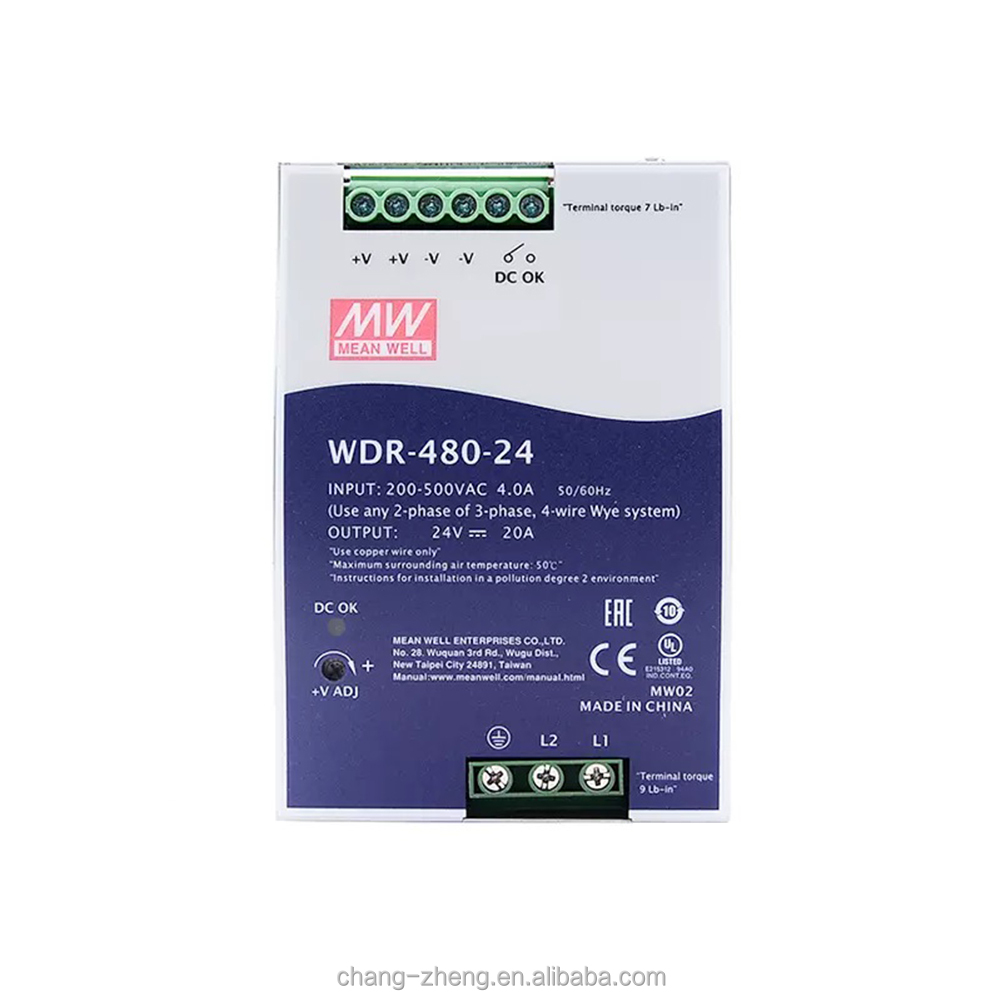
Factory Direct Catalog
High-Reliability Industrial & Dual Output Power Supplies
Explore field-proven power supplies for multi-voltage automation panels, embedded microcontrollers, stepping actuators, and rugged telecommunications infrastructure.
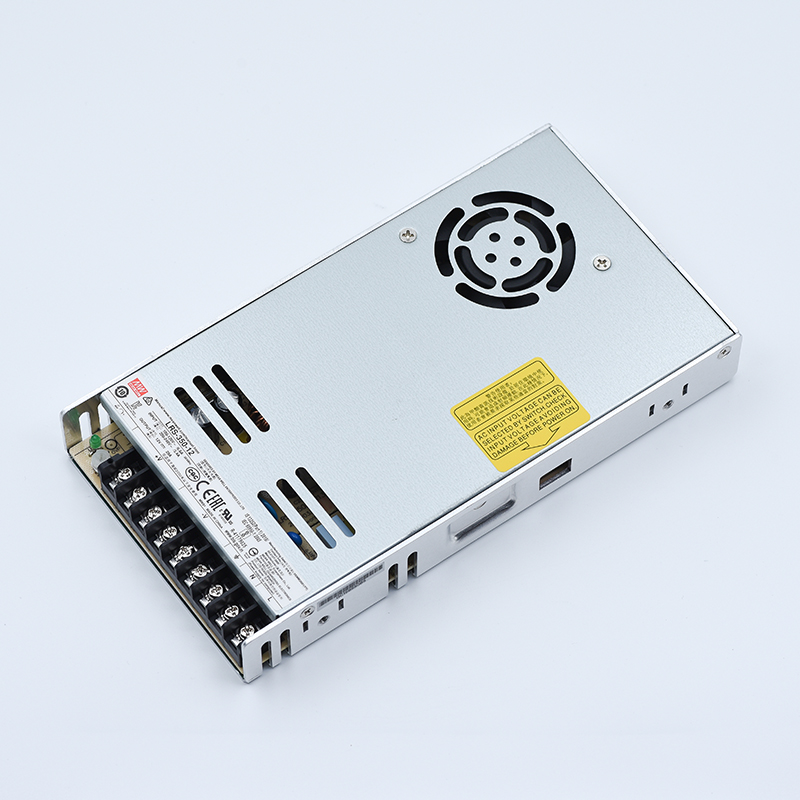
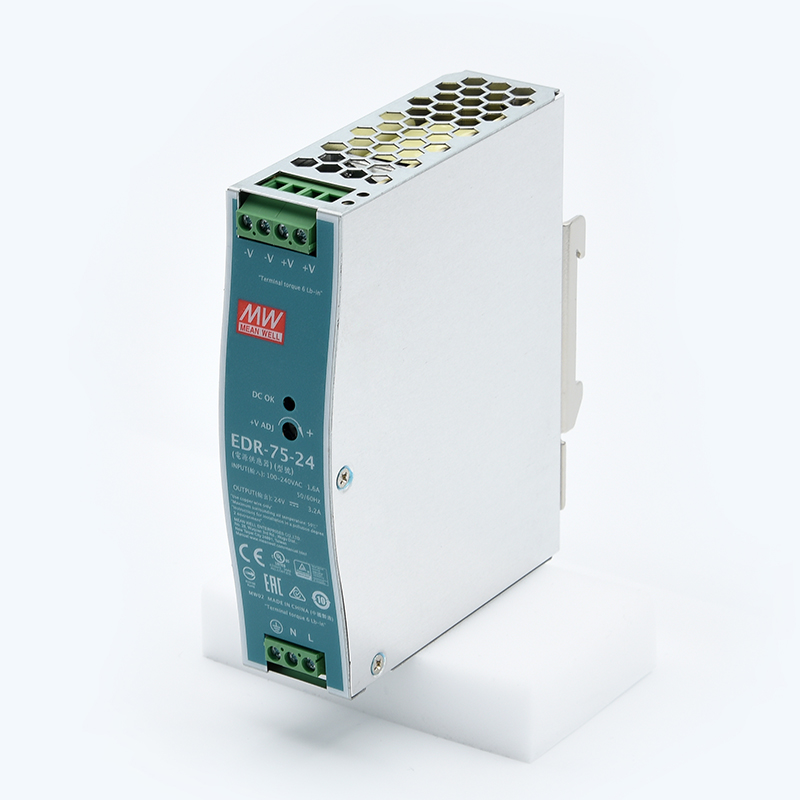
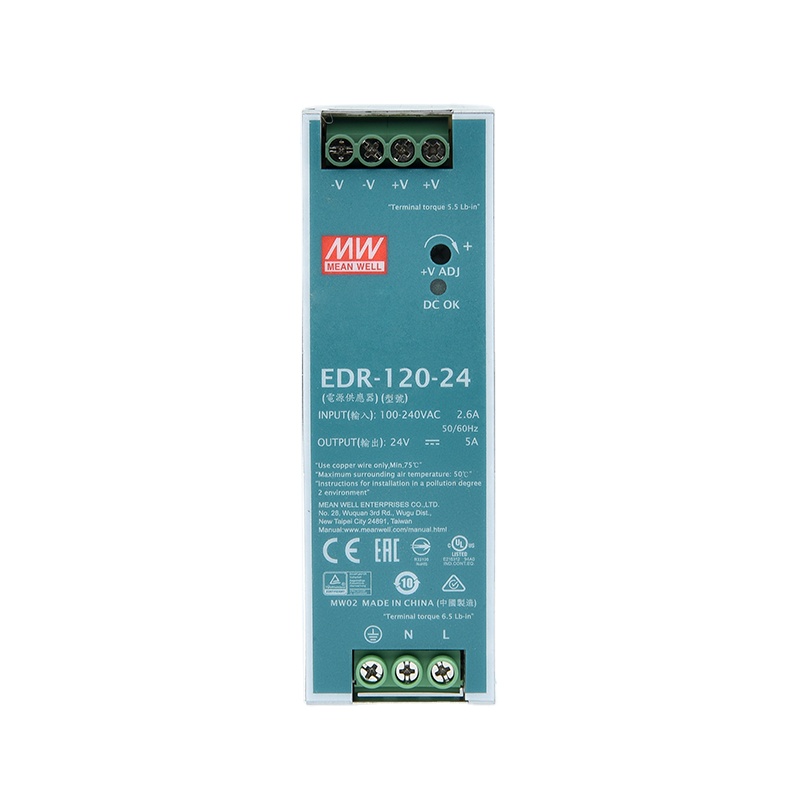
Technical White Paper
Dual Output Architecture: Eliminating Cross-Regulation Instability
A comprehensive engineering analysis on multi-rail topology selection, independent synchronous rectification, galvanic loop decoupling, and thermal co-design for modern industrial platforms.
1. The Engineering Challenge of Asymmetric Loading in Multi-Rail Systems
In modern industrial electronics, machine automation controllers rarely rely on a single voltage. Logic cores, digital signal processors (DSPs), and human-machine interface (HMI) screens routinely operate on low-voltage rails such as 3.3V or 5V DC, while contactors, solenoids, servo drives, sensors, and LED warning clusters demand 12V, 24V, or 48V DC. Traditionally, system builders placed two independent single-output power supplies inside an enclosure. However, skyrocketing copper costs, cabinet footprint constraints, and thermal buildup have made single-chassis dual output power supplies the dominant engineering choice.
Despite these clear operational advantages, standard off-the-shelf dual output converters often exhibit a critical vulnerability: cross-regulation distortion. When primary control loop feedback is anchored to Channel 1 (typically the higher-current logic or primary output), a sudden dynamic load step on Channel 2 (e.g., motor inrush or valve actuation) causes magnetic flux imbalance across the shared transformer core. The consequence is output voltage sag or uncontrolled overshoot on the secondary channel, potentially triggering latch-up failure or reset loops in microcontrollers.
OEM/ODM Technical Benchmark: Belmo engineers overcome cross-regulation through coupled-inductor topologies with dedicated post-regulation stages (Secondary Buck/LDO Regulators) or completely independent isolated dual-transformer PWM control stages. This ensures line and load regulation remains strictly within ±1.5% on both channels, even under an asymmetric 0% to 100% cross-load condition.
Dual Output Topology Comparison Matrix
| Converter Topology | Channel Isolation | Cross-Regulation Control | Efficiency (Typical) | Best Application Match |
|---|---|---|---|---|
| Flyback with Shared Feedback | Common Ground (Non-Isolated) | Moderate (±6% to ±10% on CH2) | 82% – 86% | Cost-sensitive consumer appliances, low-wattage auxiliary rails (<45W) |
| LLC Half-Bridge + Buck Post-Regulator | Functional Isolation | High Precision (±1.5% both rails) | 90% – 94% | Industrial HMI screens, medical diagnostic carts, IoT gateways |
| Dual Interleaved Forward Converter | Full Galvanic (3.0kV AC CH1-CH2) | Independent Loops (±1.0%) | 88% – 92% | Substation automation, PLC I/O racks, isolated telecommunications nodes |
| Synchronous Push-Pull + Pol (Point of Load) | Magnetic Core Isolation | Dynamic Fast Step Response (<200μs) | 91% – 95% | Robotic actuators requiring simultaneous 5V logic and 48V motor drive |
Zero-Cross Coupling
By implementing separate secondary windings paired with independent synchronous rectification MOSFETs, magnetic cross-coupling is mitigated at the hardware level, safeguarding sensitive analog sensor loops from high-voltage motor spikes.
Thermal Equilibrium
Dual output units run hotter due to aggregated dissipation across secondary rectifiers. Our OEM/ODM layouts utilize multi-layer 2oz copper PCBs, thermal potting compounds, and custom aluminum extrusion heatsinks to maintain an MTBF exceeding 350,000 hours.
EMC Class B Compliance
Built-in two-stage common-mode filters and transient voltage suppressors (TVS) ensure dual rail converters surpass CISPR32 / EN55032 Class B electromagnetic radiation limits without requiring external filter modules.
Procurement Intelligence
Future Procurement Trends in Dual Output Power Supply Sourcing
Global original equipment manufacturers (OEMs) and EMS purchasing leaders are navigating geopolitical shifts, decarbonization mandates, and tighter platform integration.
1. Multi-Rail Modular Standardization vs. Pure Custom Builds
Enterprise procurement departments are actively consolidating stock keeping units (SKUs) to protect working capital. Rather than procuring bespoke single-voltage power bricks for every subsystem, tier-1 hardware teams now specify modular dual-output platforms. A standard chassis outputting a fixed high-power rail (such as 24V or 48V for propulsion or power relays) alongside a configurable lower-power rail (3.3V, 5V, or 12V for compute and telemetry) enables single-SKU utilization across multiple machine models.
Procurement professionals should prioritize manufacturers capable of providing "semi-custom" modifications—utilizing pre-certified base PCB platforms while tailoring the secondary winding turns ratio, wire harness terminations, and output current limits. This slashes NRE (Non-Recurring Engineering) expenses by up to 70% and reduces safety recertification lead times from nine months to four weeks.
2. Total Cost of Ownership (TCO) & Lifecycle Capacitor Derating
A persistent pitfall in B2B power supply acquisition is evaluating unit purchase price instead of Total Cost of Ownership. In dual rail switching power supplies, the electrolytic filter capacitors operating on secondary rails endure elevated ripple currents and localized thermal stress. Sourcing teams must audit internal component bills of materials (BOMs):
Key Audit Metrics: Ensure suppliers enforce capacitor derating guidelines (such as IPC-9592B standards), mandating that secondary filter capacitors operate at no higher than 70% of their rated voltage and operate within a 105°C rated operating envelope with Japanese or top-tier solid polymer capacitor options. A power supply that costs 12% less upfront but fails within 18 months in the field incurs field RMA, technician dispatch, and brand reputational costs that dwarf initial component savings.
3. Near-Zero Standby Losses & Global Carbon Directives
With the escalation of European ErP Lot 7 and US DoE Level VI standards, industrial equipment must minimize vampire draw in idle states. Dual output power supplies historically drew substantial quiescent power (2W to 5W) merely to sustain regulation on the unloaded auxiliary rail. Leading procurement pipelines now stipulate no-load power consumption below 0.3W to 0.5W, requiring smart burst-mode switching controllers that power down primary switching stages while maintaining high-efficiency trickle voltage for system wake-on-LAN circuits.
R&D Roadmap
Emerging Technology Trends Reshaping Dual Output Converters
From Wide Bandgap (WBG) semiconductors to integrated PMBus telemetry, discover the innovations driving the next generation of high-density industrial power systems.
Gallium Nitride (GaN) Primary Stages
Replacing legacy silicon MOSFETs with GaN-on-Si HEMTs elevates switching frequencies from 65kHz to over 250kHz. This dramatically shrinks inductive magnetics and filter capacitors, enabling 200W+ dual output power supplies in standard 1U low-profile form factors.
Digital Control & PMBus / CAN Telemetry
Analog PWM controllers are transitioning to digital signal processors (DSP). Real-time voltage trimming, current monitoring per channel, temperature reporting, and dynamic fault logging are directly transmitted to central automation PLCs via PMBus or CANopen networks.
Planar Magnetics & Multi-Core Co-Packaging
Planar transformers replace traditional wire-wound bobbins with embedded multi-layer PCB traces. This ensures immaculate repeatable inter-winding capacitance, virtually eliminates manufacturing variances in leakage inductance, and yields ultra-tight channel-to-channel tracking.
Active Energy Balancing in Asymmetrical Dual Loads
In traditional dual output units, if Channel 1 consumes 95% of the total rated power while Channel 2 sits in a light-load state (5%), efficiency plummets and thermal dissipation on the primary core increases unevenly. The technical frontier involves dynamic active power sharing. Advanced multi-resonant LLC converter circuits utilize pulse-width-modulation on the high-voltage master rail alongside secondary phase-shifted PWM on the low-voltage auxiliary rail, maintaining high conversion efficiencies (91%+) regardless of load distribution asymmetries.
Factory Strengths
Why Tier-1 Engineers Choose Shenzhen Belmo Technology
Shenzhen Belmo Technology Co., Ltd. provides comprehensive B2B supply solutions, verified standard platforms, and full-spectrum OEM/ODM power engineering to customers in over 50 global territories.
5+
Years Serving B2B
Supplying global automation & industrial clients
4.9/5
Customer Rating
Independently verified trade review score
2–7Y
Factory Warranty
Official factory-backed warranty policies
100%
Full Load Burn-In
Thermal stress aging test prior to packing
Strict Quality Verification & Traceable Manufacturing
Shenzhen Belmo Technology Co., Ltd. (located at 2nd Floor, Building 3, Honggao Industrial Park, No. 2043 Songbai Road, Shiyan Subdistrict, Shenzhen, China) operates as an audited B2B supply hub. Every consignment leaving our facilities undergoes exhaustive pre-shipment inspections: physical label verification, barcode tracking validation, dielectric withstand testing (Hipot 3.75kV AC), and full-load burn-in stress tests.
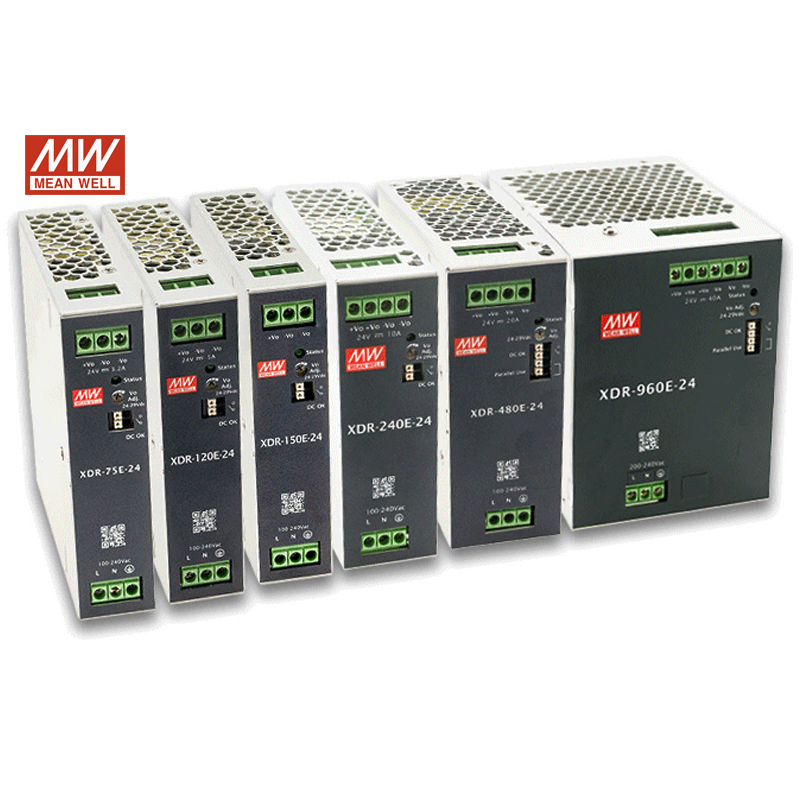
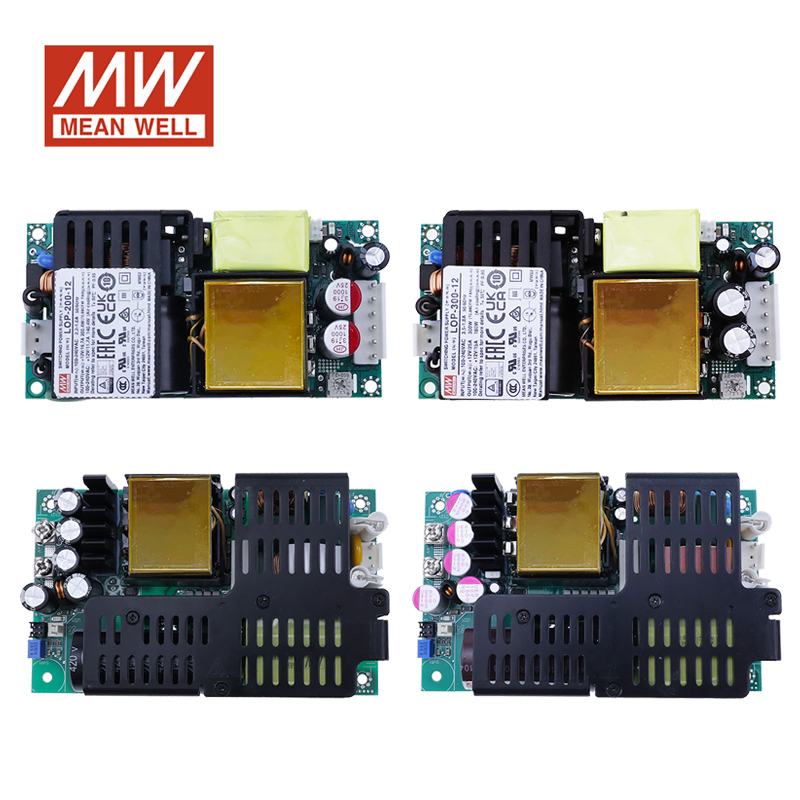
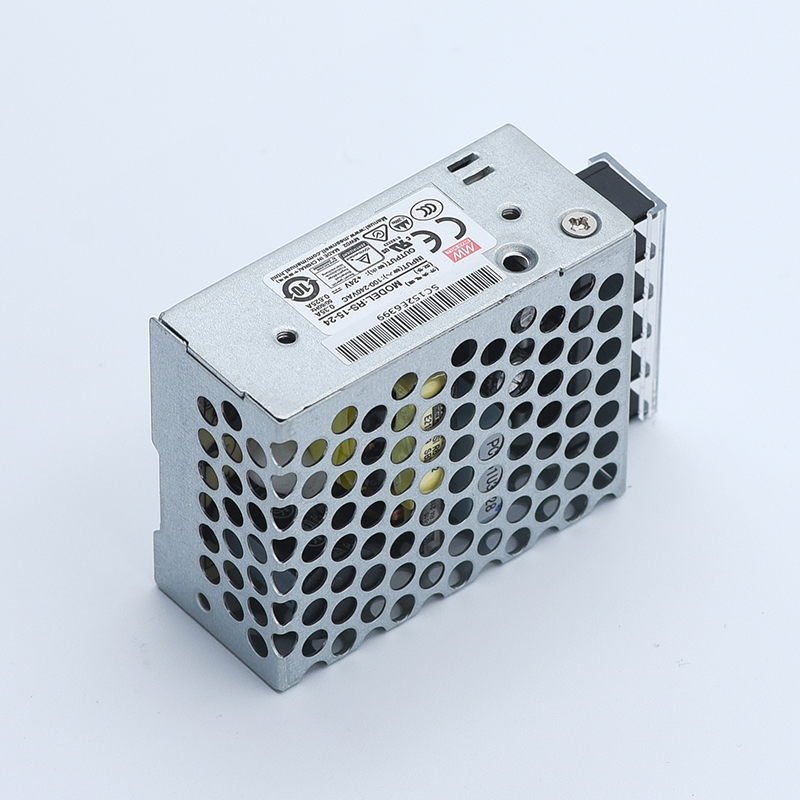
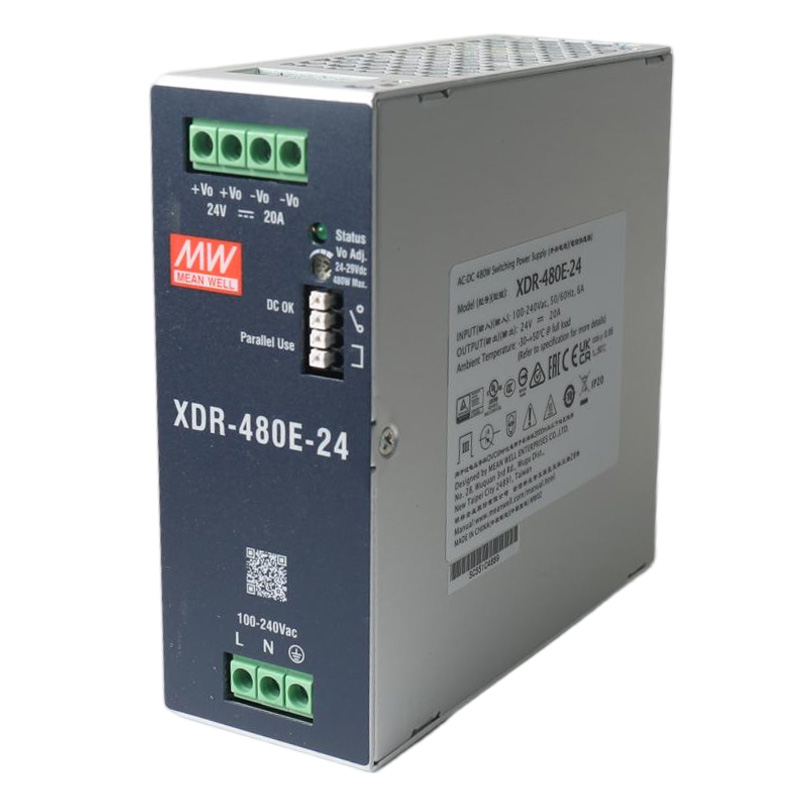
Whether supplying genuine off-the-shelf MEAN WELL switching power supplies, DIN rail units, and waterproof LED drivers, or manufacturing custom OEM/ODM dual-rail switching boards, we provide full technical datasheets, schematics, and regulatory certification copies (CE, CB, UL, EAC, SAA) prior to contract execution.
Structured OEM/ODM Engineering Workflow
01
Specification & Feasibility
Our power engineers assess voltage tolerances, cross-regulation envelope, transient inrush requirements, target dimensions, and safety spacing according to IEC/UL 62368-1.
02
Rapid Prototyping & EVT
Within 15 to 25 business days, functional prototypes undergo Engineering Validation Testing (EVT), thermal infrared mapping, and preliminary conducted EMC scans.
03
DVT & Tooling Verification
Design Validation Testing (DVT) validates production tooling, HALT/HASS stress limits, automated solder profiling, and environmental chamber testing (-40°C to +85°C).
04
Mass Production & Traceability
Automated SMT lines, wave soldering, and 100% full-load burn-in testing. Individual serial numbers ensure end-to-end component batch traceability for overseas audits.
Procurement Knowledgebase
Frequently Asked Questions on Dual Output Power Supplies
Detailed technical answers addressing cross-loading, grounding topologies, minimum load constraints, and certification requirements for engineering and sourcing managers.
What is the difference between an isolated dual output and a non-isolated common-ground dual output power supply?
A non-isolated dual output supply shares a common return ground (GND) between Channel 1 and Channel 2. While compact and cost-effective, high electrical noise from reactive inductive loads on one channel (such as a 24V motor relay) can back-feed into the sensitive 5V logic rail ground plane. In contrast, fully galvanically isolated dual output power supplies feature completely isolated secondary coils, separate grounds, and dedicated feedback channels, offering galvanic isolation up to 3000V AC between outputs. This ensures total immunity from ground loop interference.
Why do some dual output power supplies require a "Minimum Load" (Dummy Load) to regulate properly?
In simplified dual-rail flyback designs, magnetic energy is transferred concurrently to both output windings. If the primary channel (CH1) draws zero load, the primary PWM controller throttles switching down to ultra-narrow pulses. Consequently, Channel 2 will not receive sufficient continuous energy transfer, leading to severe voltage drop or erratic burst-mode ripple. High-end industrial OEM/ODM designs from Belmo incorporate integrated active bleeders or secondary DC-DC post-regulation stages, achieving true zero-minimum-load (0% Load) regulation across both outputs without requiring external dummy resistors.
What is cross-regulation, and how do we calculate the acceptable operating envelope?
Cross-regulation is the percentage deviation in the output voltage of one channel caused by dynamic load variations on the alternate channel. It is calculated by fixing CH1 at rated current while stepping CH2 from 10% to 100% load, measuring ΔVout. Standard dual supplies may exhibit ±5% to ±10% cross-regulation. For precision industrial control systems, buyers should specify coupled-inductor dual output power supplies with coupled-feedback loops, which compress cross-regulation down to ±1.5% to ±2% under worst-case asymmetric loading.
What are the minimum order quantities (MOQ) and production lead times for OEM/ODM dual output units?
For standard catalog items and verified platforms (such as the MeanWell LRS, RD, NDR, and EDR series), our MOQ starts from as low as 1 to 5 pieces, supporting prototype engineering, trial pilots, and aftermarket maintenance spares. For custom OEM/ODM projects (custom PCB layouts, unique voltage splits such as +24V/+48V or +5V/+15V, rugged conformal coating, or bespoke wire harnesses), initial sample runs are available within 3 to 4 weeks, with mass production MOQs typically set at 200 to 500 units depending on chassis complexity.
What international safety certifications should we mandate for industrial and medical equipment?
Industrial dual output converters must comply with IEC/EN/UL 62368-1 for audio/video, information, and communication technology equipment (replacing older 60950-1 and 60065 standards). For process automation and control cabinet applications, look for UL 508 or IEC 61010-1 compliance. If your dual output power supply is deployed in medical patient-contact equipment, mandatory certification to IEC/EN 60601-1 3rd/4th Edition with 2xMOPP (Means of Patient Protection) and ultra-low leakage current (<100μA) is required. Belmo provides verified safety certificates and test reports with every order.