Standard Constant Current & Switching Power Supply Series
Factory-direct genuine inventory for industrial DIN rail control racks, architectural luminaire arrays, and high-density automation enclosures.
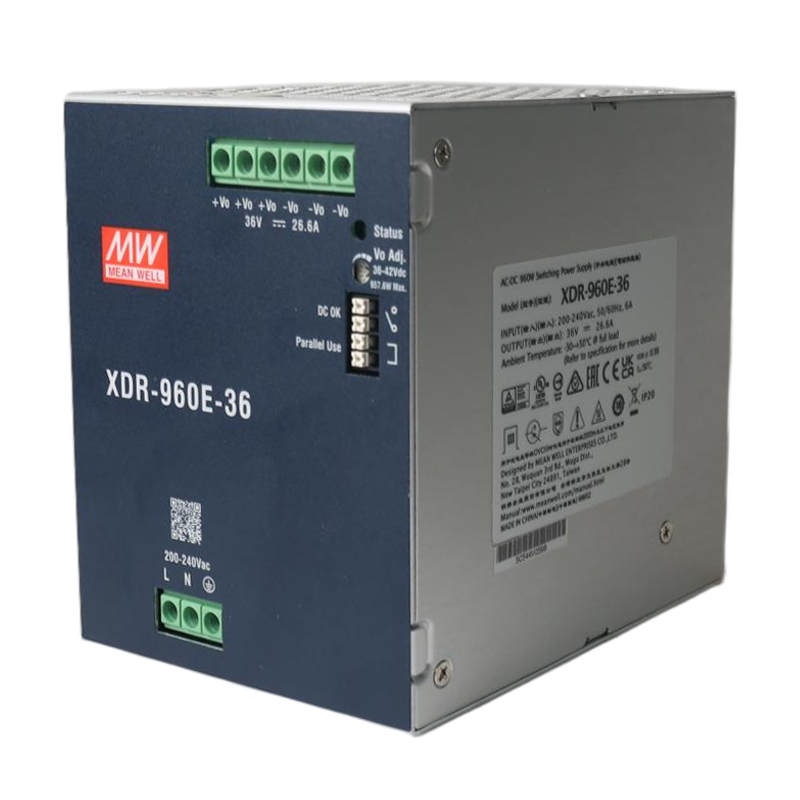
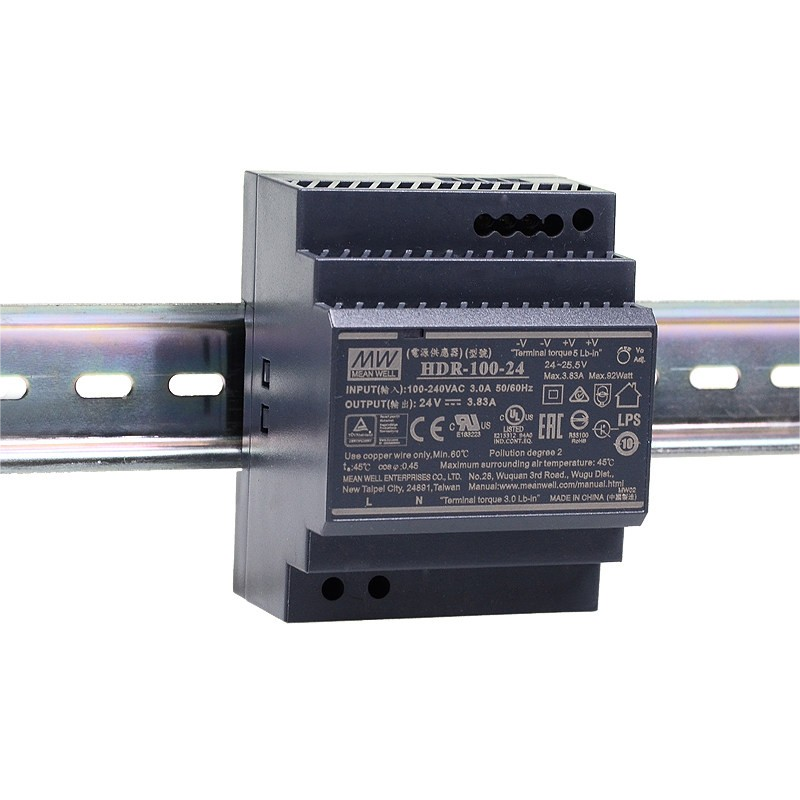
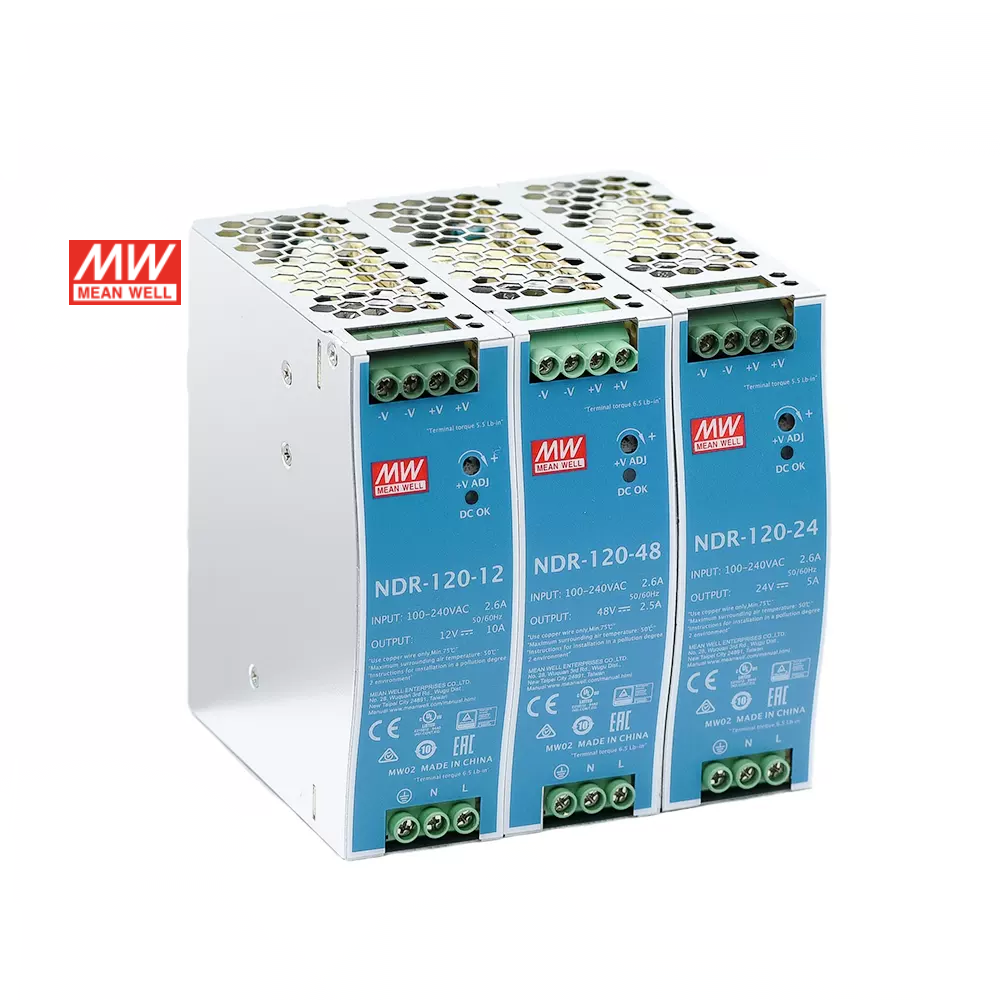
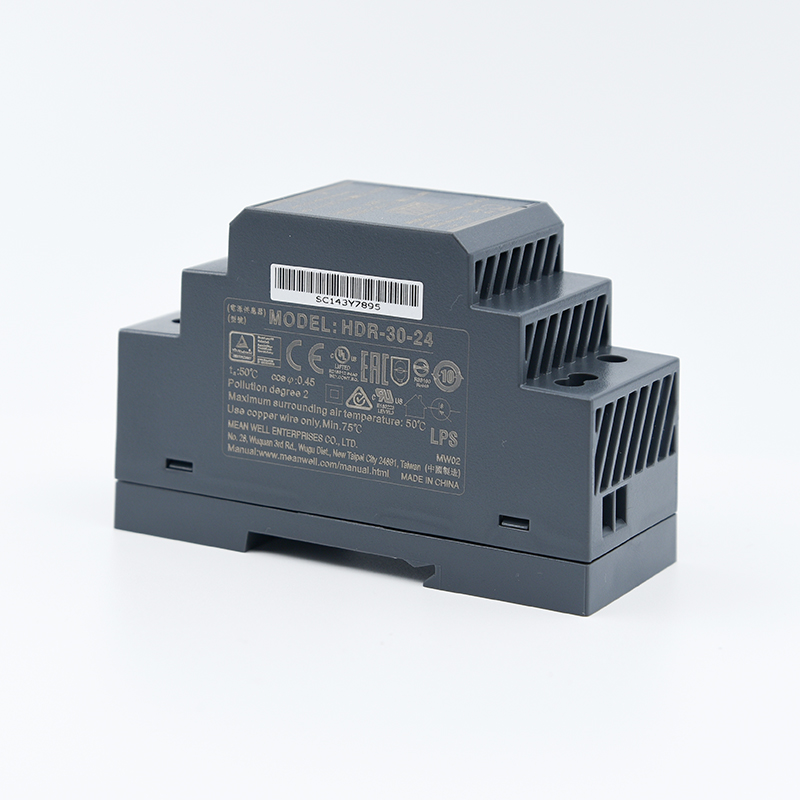
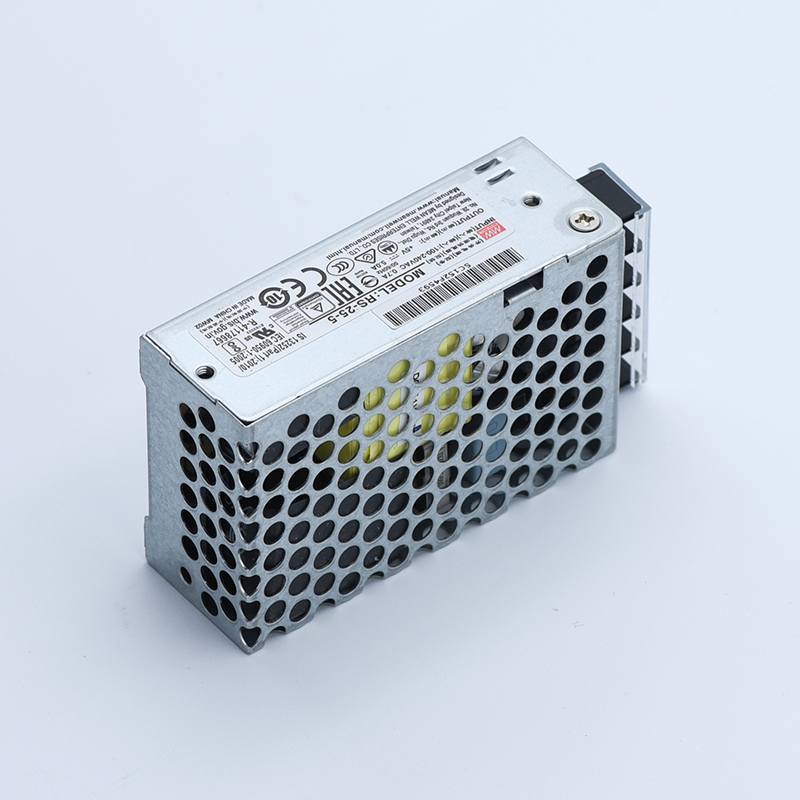
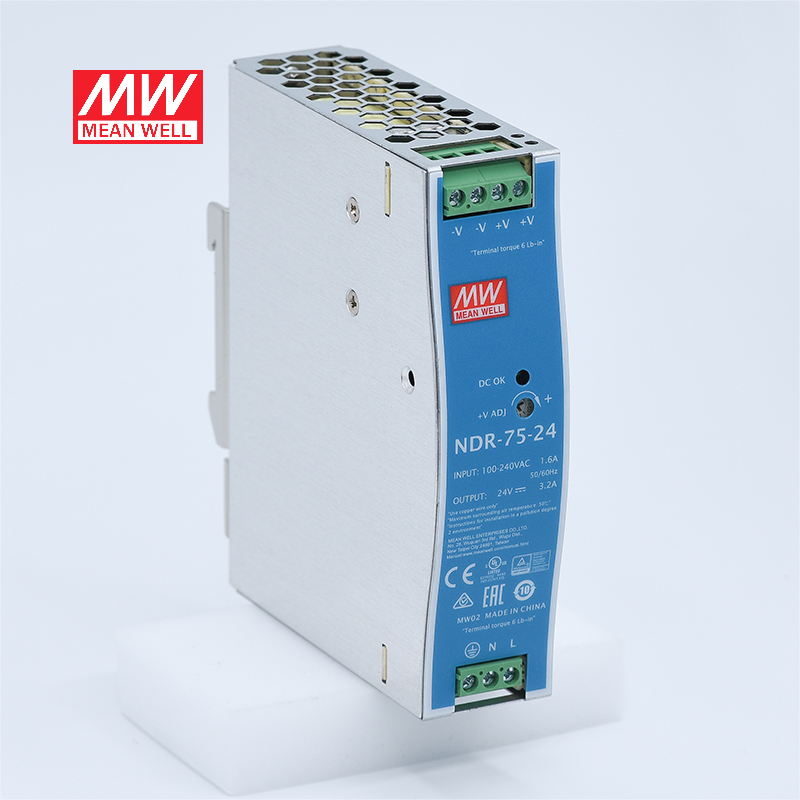
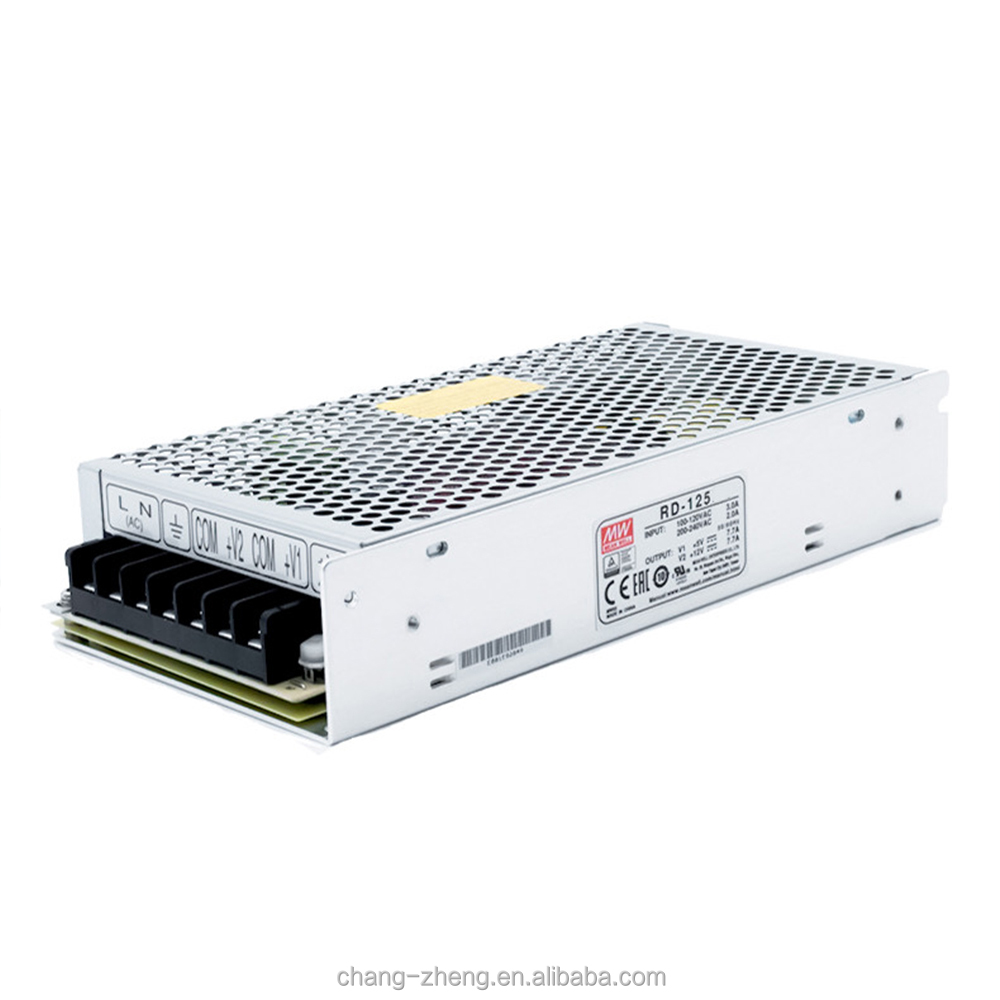
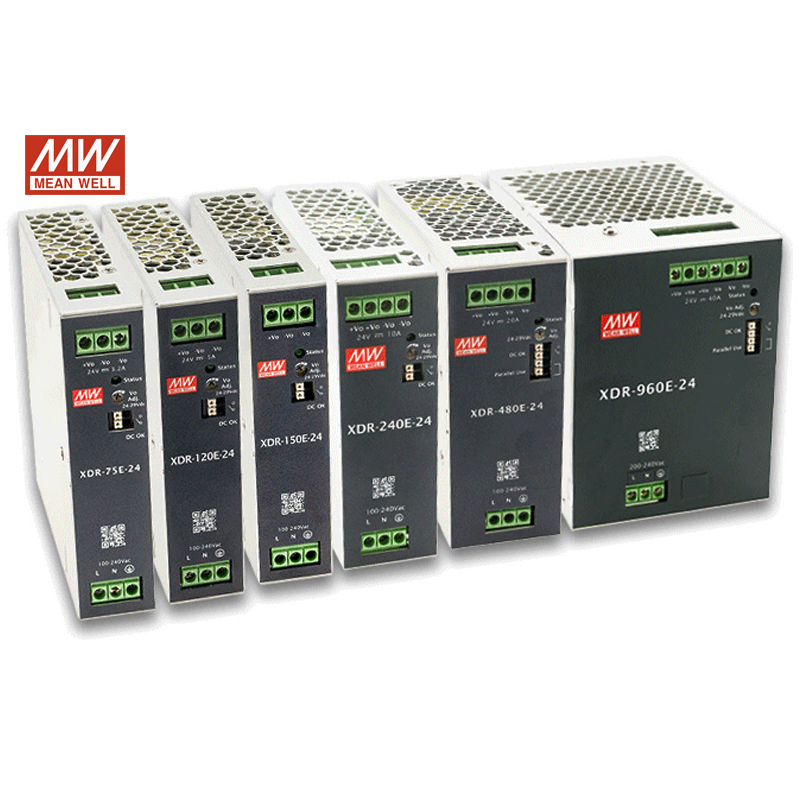
Constant Current (CC) Engineering Architecture vs. Constant Voltage (CV)
In electrical engineering and mission-critical power system procurement, identifying the boundary conditions between Constant Current (CC), Constant Voltage (CV), and hybrid Constant Current Limiting (Hiccup vs. Continuous Foldback) topologies represents the single most significant factor in hardware longevity, luminous efficacy, and semiconductor safety.
Unlike standard switch-mode power supplies (SMPS) designed to clamp direct current potential (such as 12V, 24V, or 48V DC regardless of circuit load changes), a dedicated constant current power supply actively modulates its internal voltage drop across an operational compliance window (ΔVout) to maintain an unyielding, fixed current amplitude (Iset). This dynamic compensation is vital for driving current-sensitive nonlinear semiconductor junctions, notably high-power solid-state LED emitters, laser diodes, electrolysis cells, electrochemical plating reactors, and high-frequency solenoid actuators.
Thermal Runaway Prevention
LED p-n junctions exhibit a negative temperature coefficient: forward voltage (Vf) drops as operating temperature rises. Driving LEDs with fixed CV supplies results in exponentially escalating current draw, thermal runaway, and rapid catastrophic junction failure. A constant current supply immediately tracks and reduces voltage, locking junction current safely to rating.
Peak-to-Peak Ripple Control
High-grade constant current drivers incorporate two-stage active LLC resonant converters or interleaved flyback circuits designed to suppress low-frequency (100Hz/120Hz) current ripple below <3%. This prevents invisible optical flicker, reduces stroboscopic effects (SVM < 0.4), and mitigates parasitic inductive heating inside downstream components.
Dynamic Compliance Voltage Range
Premium CC power supplies function seamlessly across wide voltage margins (e.g., 36V to 72V DC). System integrators can adjust the series count of downstream diode arrays or varying impedance loads without requiring distinct discrete inventory variants, reducing global SKU complexity and stocking overhead.
Top 10 Constant Current Power Supply Factories & Global Suppliers Matrix
A rigorous engineering comparison assessing production scalability, topology flexibility, international compliance marks, warranty windows, and procurement minimum order values.
| Rank | Manufacturer / Supplier | HQ / Production Hub | Core Topologies & Specialties | Efficiency & THD Rating | Compliance & Certs | Warranty | B2B Flexibility / MOQ |
|---|---|---|---|---|---|---|---|
| 01 | Shenzhen Belmo Technology Co., Ltd. (MEAN WELL Specialist) | Shenzhen, China (SGS Verified) | DIN Rail CC/CV (NDR, XDR, HDR), IP67 Drivers (HLG, ELG, XLG), Enclosed SMPS | Up to 96% Efficiency; THD < 10%, PF > 0.98 | UL8750, CE, CB, EAC, SAA, RoHS, ISO9001 | 2 – 7 Years | Extreme (1–5 pcs MOQ); Fast dispatch; Pre-shipment aging check |
| 02 | MEAN WELL Enterprises Co., Ltd. | New Taipei City, Taiwan / Guangzhou | Broad standard SMPS, constant current LED drivers, DIN rail power systems | 90% – 95.5%; THD < 15% across standard series | Global UL, ENEC, TUV, CCC, CE, CB | 3 – 7 Years | Standard distributor channels; Container-tier bulk MOQs for factory tier |
| 03 | Inventronics Inc. | Hangzhou, China | High-power outdoor constant current LED drivers, horticultural stadium power | Up to 95.5%; THD < 10%, Surge 10kV | UL Class P, CE, ENEC, FCC, CB, CCC | 5 – 7 Years | High MOQ for custom OEM; Tier-1 lighting OEM supplier framework |
| 04 | Delta Electronics, Inc. | Taipei, Taiwan / Wujiang | Industrial high-density power supply, telecom DC/DC, smart grid rectifiers | Up to 96.5% (Titanium rated); THD < 5% | UL, CSA, TUV, CE, Medical EN60601-1 | 3 – 5 Years | Strict enterprise tier; High customization NRE thresholds |
| 05 | Tridonic GmbH & Co KG | Dornbirn, Austria / Worldwide | Indoor architectural DALI-2 constant current drivers, tunable white modules | 91% – 94%; Standby < 0.15W, Low Ripple | ENEC, CE, UKCA, DALI-2 Certified | 5 Years | Project-based contracts; High pricing index; Rigid European logistics |
| 06 | TDK-Lambda Corporation | Tokyo, Japan / Shanghai | Programmable CC/CV laboratory units (GENESYS+), military-grade DIN modules | Up to 93%; Ultra-low noise ripple < 10mV | MIL-STD, UL, CE, Semiconductor F47 | 5 Years | High capital cost per unit; Extended 16-24 week factory lead times |
| 07 | PULS GmbH | Munich, Germany / Chomutov | Premium DIN rail power supplies with electronic current limitation & peak power | 95.6% – 96.0%; High MTBF > 1.2M hrs | ATEX, IECEx, Class I Div 2, DNV, UL | 3 – 5 Years | Industrial automation focus; High cost structure for standard applications |
| 08 | Signify (Philips Advance) | Eindhoven, Netherlands / Global | Xitanium series outdoor and indoor constant current LED drivers, SimpleSet RF | Up to 94%; THD < 12% across full dynamic load | UL Recognized, Class 2, ENEC, CE | 5 Years | Locked commercial ecosystem; Distributor network priority |
| 09 | Mornsun Power (Guangzhou) | Guangzhou, China | Cost-effective PCB open frame, enclosed SMPS, DC/DC CC regulators | 88% – 93%; Industrial isolation 4000VAC | UL62368-1, EN60335, CE, CB | 3 – 5 Years | High component volume focus; Limited field programmable options |
| 10 | XP Power | Singapore / Reading, UK | Medical & defense precision constant current / voltage enclosed modules | Up to 94%; Low leakage < 100uA for medical | ANSI/AAMI ES60601-1, CE, UL | 3 Years | High premium overhead; Specialized compliance focus |
*Data sourced through independent laboratory tear-downs, published manufacturer engineering datasheets, and audited factory compliance filings.
Why Global Systems Integrators Rely on Shenzhen Belmo Technology
Shenzhen Belmo Technology Co., Ltd. bridges the gap between massive Tier-1 component manufacturing constraints and agile, risk-hedged B2B hardware distribution.
SGS On-Site Audited Facility
Located in Shiyan, Bao'an District, Shenzhen—the global epicenter of precision power electronics—our commercial facilities and warehousing lines have undergone rigorous independent third-party physical inspection by SGS. Procurement teams receive traceable audit credentials eliminating supply-chain fraud risks.
Comprehensive Power-On QA Testing
We do not engage in blind box-dropping. Every outgoing batch undergoes electrical verification utilizing digital electronic loads, power factor analyzers, and insulation breakdown testers. Output voltage tolerances, CC limit engagement thresholds, and cosmetic chassis integrity are documented prior to packaging.
Multi-Category Batch Consolidation
OEM engineering teams frequently require varied topologies in single production builds: DIN rail units (NDR/EDR/XDR) for control enclosures, IP67 waterproof drivers (HLG/ELG/XLG) for luminaire arrays, and low-profile SMPS (LRS/RD) for user interfaces. Belmo consolidates multi-series orders under one shipping invoice.
Future Procurement & Technological Development Trends (2025–2030)
How next-generation semiconductor materials, digital communication fabrics, and regulatory decarbonization mandates are rewriting the hardware evaluation playbook.
1. Gallium Nitride (GaN) & SiC Topologies
The migration from silicon MOSFETs to Wide Bandgap (WBG) Gallium Nitride (GaN) and Silicon Carbide (SiC) semiconductors allows switching frequencies to jump from ∼65kHz to over 250kHz–1MHz. In procurement terms, this achieves:
- 40% Volume Reduction: Inductive magnetics and capacitor bulk scale down dramatically.
- Ultra-High Thermal Efficiency: 96%+ full-load efficiency drastically cuts cooling fan failure modes.
- Extended MTBF: Lower internal thermal soak directly extends internal electrolytic capacitor life.
2. Digital Telemetry: DALI-2, PMBus & NFC
Analog 0-10V resistance dimming is increasingly sidelined in favor of bidirectional digital control protocols. Modern constant current power units integrate:
- NFC Wireless Programming: Factory operators set precise output currents (mA) via smartphone apps without energizing lines.
- DALI-2 / D4i Standards: Real-time luminaire analytics (operating hours, energy use, driver temperature).
- Predictive Failure Alarms: Automated notification of impending component wear prior to terminal outage.
3. Circular ESG & Scope 3 Traceability
European and North American regulatory bodies (such as the EU Ecodesign Directive) mandate stringent circular manufacturing protocols:
- Modular Potted Enclosures: Shift toward repairable non-toxic thermal resins or silicone potting alternatives.
- Standby Power Restrictions: No-load vampire power draw clamped under <0.15W across intelligent smart nodes.
- Full Carbon Footprint Passports: Traceable Tier-1 supply origin declarations for raw minerals and copper coils.
Frequently Asked Questions (FAQ) on Sourcing Constant Current Units
Accelerate Your Industrial & Luminaire Power Supply Sourcing
Request our comprehensive technical spec matrix, check real-time stock inventories across Shenzhen and global distribution hubs, or submit an engineering model list for immediate volume pricing.