Featured Industrial Power Supplies & Isolated Converters
Direct procurement of original high-reliability power units, DIN Rail solutions, and IP67 drivers. Every unit is strictly inspected and tested to withstand Cambodia's tropical operating environments and unpredictable grid transients.
The Strategic Need for Isolated DC-DC Converters in Cambodia
The Kingdom of Cambodia's manufacturing landscape is experiencing an unprecedented structural transition. Propelled by the Cambodia Industrial Development Policy (IDP), the nation has progressively diversified away from low-complexity cut-make-trim (CMT) garment manufacturing toward high-value engineering: consumer electronics assembly, wire harness fabrication, solar photovoltaic integration, automotive electrical parts, and automated logistics. This industrial expansion is concentrated within Special Economic Zones (SEZs) across the Phnom Penh Capital corridor, Sihanoukville Special Economic Zone (SSEZ), Bavet (Svay Rieng border zone), and Poipet (Banteay Meanchey).
However, operating sensitive automation electronics, telecommunications gear, and industrial robotics in Cambodia presents significant power engineering challenges. Electricité du Cambodge (EDC) has made extraordinary investments in high-voltage transmission lines and hydroelectric integration, yet regional branch circuits and peripheral industrial estates remain vulnerable to severe voltage fluctuations, common-mode noise spikes, lightning-induced inductive surges during the tropical monsoon season, and substantial ground potential shifts.
In this electrical environment, non-isolated buck or boost converters represent a single point of catastrophic failure. When a voltage surge breaches a non-isolated converter, the high-voltage bus punches directly through the switching MOSFET, instantly destroying downstream PLCs, microcontrollers, IoT transceivers, and precision sensors. Sourcing industrial-grade Isolated DC-DC Converters—featuring reinforced galvanic isolation between input and output stages—has become an imperative design requirement for plant managers, system integrators, and OEM factories operating across Cambodia.
Galvanic Isolation Principles: Mitigating Ground Loops and Tropical Transients
Galvanic isolation physically disconnects the input and output electrical circuits. Power transfer is achieved exclusively through magnetic fields (via high-frequency isolation transformers) and optical feedback (via optocouplers or magnetic feedback isolators). This physical separation provides Cambodian industrial deployments with three mission-critical safeguards:
1. Ground Loop Interruption
In large Cambodian garment and packaging plants spanning hundreds of meters, earth ground potentials between the primary substation transformer and distributed control panels frequently differ by several volts. Isolated converters break these circulating ground currents, eliminating sensor measurement jitter, communication packet drops on RS-485/Modbus buses, and unexpected thermal overloading.
2. High Dielectric Withstand
Industrial isolated DC-DC converters specify dielectric test voltages ranging from 1,500 VDC to 3,000 VAC for 60 seconds. In the event of lightning strikes on rural cellular towers or sudden inductive kickbacks from high-power sewing machine motors and industrial chillers, the galvanic barrier absorbs the extreme spike, safeguarding expensive low-voltage logic.
3. Floating Output Polarity
Because the secondary winding has no direct DC path to the primary side, system design engineers can ground either the negative or positive terminal of the output. This facilitates seamless level translation—such as deriving a clean -48V telecom bus from a +24V factory battery bank or isolating noisy motor drive return paths from sensitive analog ADCs.
From a circuit topology perspective, modern isolated DC-DC converters supplied by Belmo utilize flyback topologies for lower power bands (1W to 30W), active-clamp forward or push-pull converters for intermediate power demands (30W to 150W), and half-bridge / LLC resonant converters for high-density applications exceeding 200W up to 1kW. Resonant topologies ensure soft-switching zero-voltage switching (ZVS) characteristics, substantially minimizing electromagnetic interference (EMI) conductively escaping into factory AC lines and meeting EN55032 Class B emission standards without requiring massive external filtering bulk capacitors.
Localized Application Scenarios in Cambodia's Key Economic Sectors
Understanding the practical deployment environments across the provinces of Cambodia is fundamental to specifying the correct ingress protection, ambient thermal rating, and input voltage tolerance. Below are the primary application sectors where our isolated DC-DC converter series and industrial power units deliver proven uptime:
SEZ Garment & Electronics Production
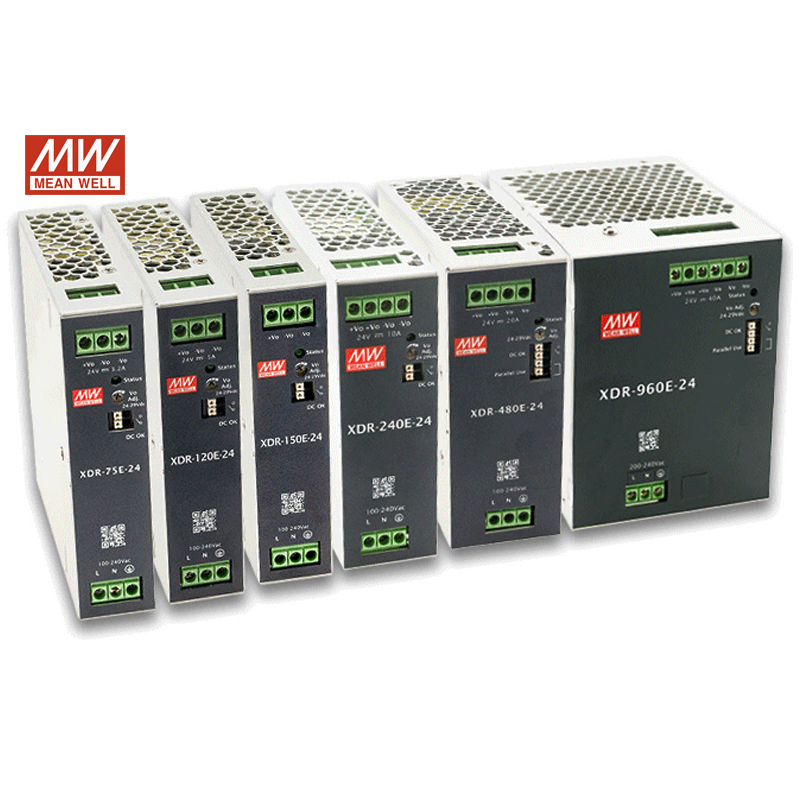
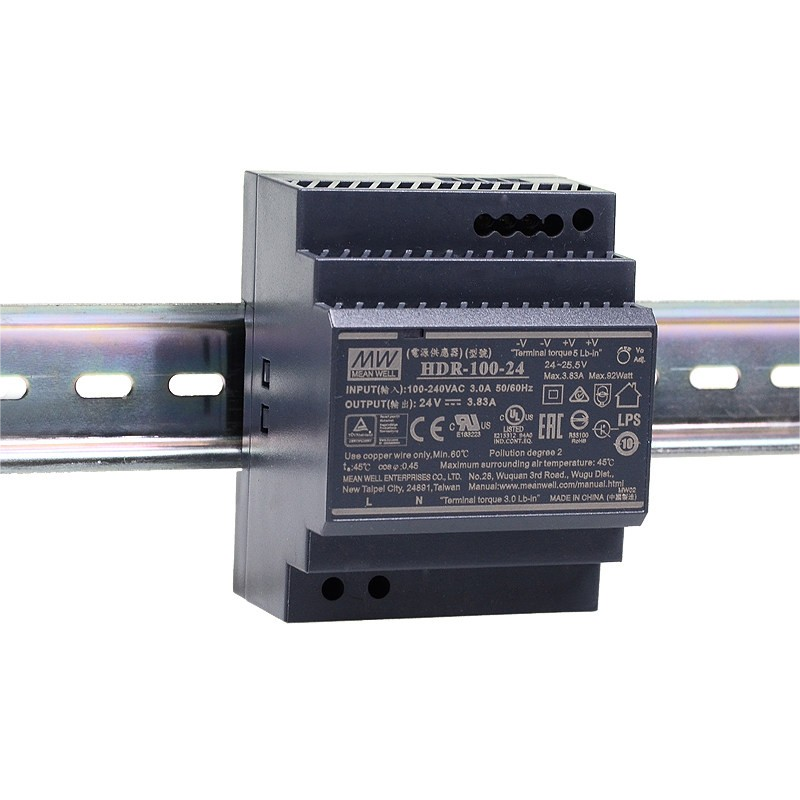
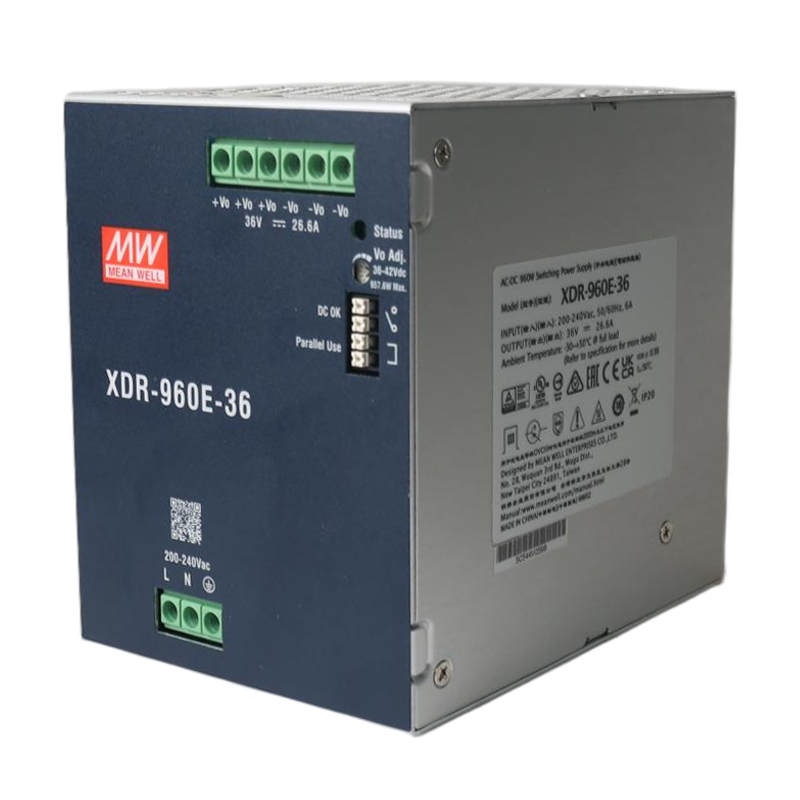
Automated circular knitting, laser fabric cutters, and Surface Mount Technology (SMT) pick-and-place lines in the Phnom Penh Special Economic Zone rely on DIN-rail converters like the XDR-E Series and HDR-100-24 to supply clean 24V DC to PLC controllers, human-machine interface (HMI) screens, and solenoid banks.
Provincial Solar Mini-Grids & BESS
Rural electrification projects in Battambang, Siem Reap, and Kampong Chhnang utilize hybrid solar microgrids with lithium iron phosphate (LiFePO4) storage banks. Isolated 4:1 wide input converters step down fluctuating 48V/96V solar battery voltages to steady 12V and 24V channels for remote telemetry, SCADA modems, and inverter control boards.
4G/5G Cellular Base Stations
Telecom towers operated by Smart Axiata, Cellcard, and Metfone situated along national highways face intense tropical thunderstorms. Galvanically isolated DC-DC converters step down -48V telecom battery power to feed microwave transceivers and security CCTV systems, absorbing inductive lightning discharges without downtime.
Electric Tuk-Tuks & Light EVs
With the Cambodian government promoting urban e-mobility in Phnom Penh and Angkor heritage zones, electric rickshaws (tuk-tuks) and light commercial vehicles require wide-input isolated DC-DC converters to convert 60V–72V traction battery packs down to regulated 12V for LED headlamps, dash instrumentation, and GPS telematics.
Cambodia's Manufacturing Trajectory & Power Electronics Trends
Cambodia's electronics and mechanical manufacturing sector is experiencing rapid expansion fueled by three overarching macro-economic and policy catalysts:
1. Regional Supply Chain Relocation ("China + 1"): In response to evolving global supply chain strategies and bilateral trade frameworks including the Regional Comprehensive Economic Partnership (RCEP) and the Cambodia-China Free Trade Agreement (CCFTA), multinational electronics OEMs have established sub-assembly plants in Sihanoukville and Bavet. Factories fabricating intermediate printed circuit boards (PCBs), electrical wiring harnesses, and power adapter modules require high-volume, reliable procurement of certified power modules with standardized European and North American safety marks (CE, UL, CB).
2. Climate Resilient Design Requirements: Cambodia is characterized by an equatorial tropical monsoon climate, with average ambient temperatures frequently exceeding 38°C and relative humidity levels sustaining above 85% from May through October. Standard commercial-grade power supplies suffer severe thermal derating and dielectric breakdown in these conditions. Current procurement trends prioritize power converters engineered with conformal coating against moisture/salt fog, high-temperature electrolytic capacitors rated for 105°C, and aluminum extrusion heat-sink chassis offering fanless, natural convection cooling.
3. Integration of Industrial IoT and High-Efficiency Directives: As Cambodian factories upgrade to Industry 4.0 standards to maintain export competitiveness against regional peers in Vietnam and Thailand, power supplies are required to feature ultra-low no-load power consumption (<0.3W), active Power Factor Correction (PFC > 0.95), and high conversion efficiency up to 94%. This minimizes cabinet thermal load and operational electricity costs—a crucial advantage given industrial electricity tariffs in Cambodia.
Technical Comparison: Isolated DC Converters vs. Alternative Architectures
To assist procurement managers and electrical engineering teams in specifying the correct hardware configuration for Cambodian factory machinery, the following comparative engineering matrix outlines functional attributes across different converter technologies:
| Parameter / Feature | Industrial Isolated DC-DC | Non-Isolated Buck Converter | Linear DC-DC Regulator | Enclosed AC/DC Converter |
|---|---|---|---|---|
| Galvanic Isolation | Reinforced 1.5kV – 3kV DC | None (Direct Copper Path) | None (Shared Common Gnd) | Reinforced 3kV – 4kV AC |
| Ground Loop Protection | Total Immunity (Isolated Gnd) | Vulnerable to ground currents | Vulnerable to ground currents | Full Input-to-Output Split |
| Typical Conversion Efficiency | 88% – 94% | 90% – 96% | 35% – 60% (Thermal Dissipation) | 88% – 93% |
| Transient Spike Immunity | High (Absorbed by magnetic core) | Extremely Low (Passes to load) | Low (Thermal stress) | High (MOV & Surge Protectors) |
| Input Voltage Window | Wide 2:1 or Ultra-Wide 4:1 | Narrow ±15% band | Narrow (Vin must be > Vout) | Universal 85–264V AC |
| Common Cambodian Use Case | PLC control, Telecom, Solar, EVs | Local digital board step-down | Obsolete legacy sensor boards | Primary machine power supply |
Shenzhen Belmo Technology: Your Strategic Direct Supply Partner
Shenzhen Belmo Technology Co., Ltd. is a verified, professional B2B export supplier specializing in genuine MEAN WELL switching power supplies, isolated DC-DC converters, industrial DIN rail power solutions, waterproof LED drivers, pure sine wave inverters, and precision test equipment.
Navigating the Cambodian electronics procurement landscape frequently exposes engineering teams to counterfeit or re-labeled power supplies that lack legitimate safety approvals, overheat prematurely, and cause devastating plant downtime. Belmo addresses this vulnerability through uncompromising quality assurance, authenticated provenance, and specialized engineering support:
SGS On-Site Verified Supplier
Our facilities, operational processes, warehouse stock, and corporate business legitimacy are audited on-site by SGS. Buyers across Cambodia receive verified proof of our physical operations and trading capacity.
100% Genuine Provenance
We supply original factory products complete with authenticated batch labels and traceable individual serial numbers. Full factory datasheets, CE/UL certificate copies, and origin documentation are furnished prior to order execution.
100% Full-Load Burn-In Testing
Beyond visual checking, every single dispatch order undergoes physical power-on testing, load bank verification, and output voltage calibration before packaging to ensure zero field failure rates upon arrival in Cambodia.
2 to 7 Years Warranty Coverage
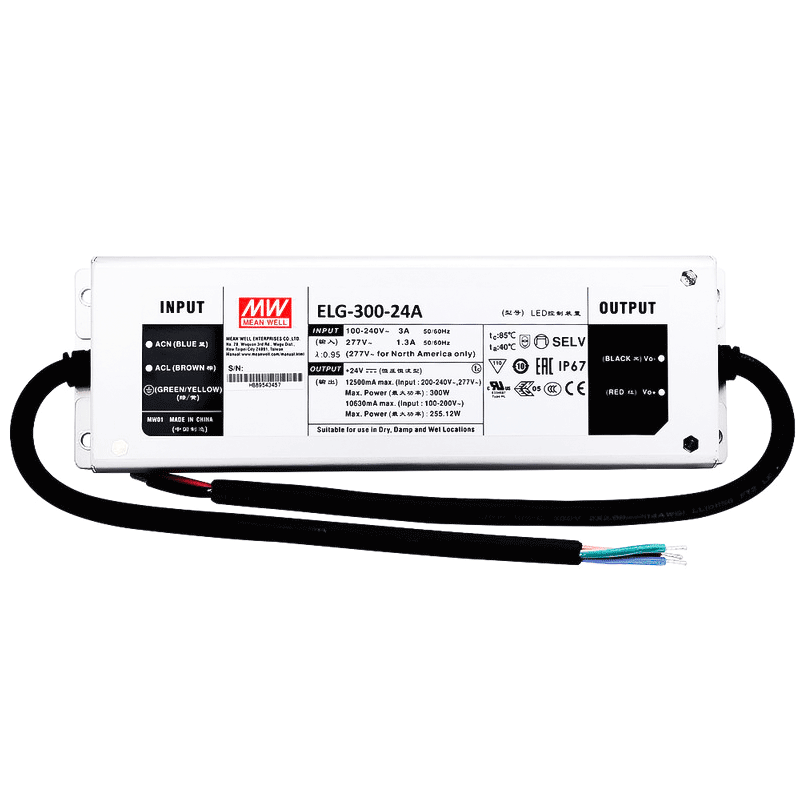
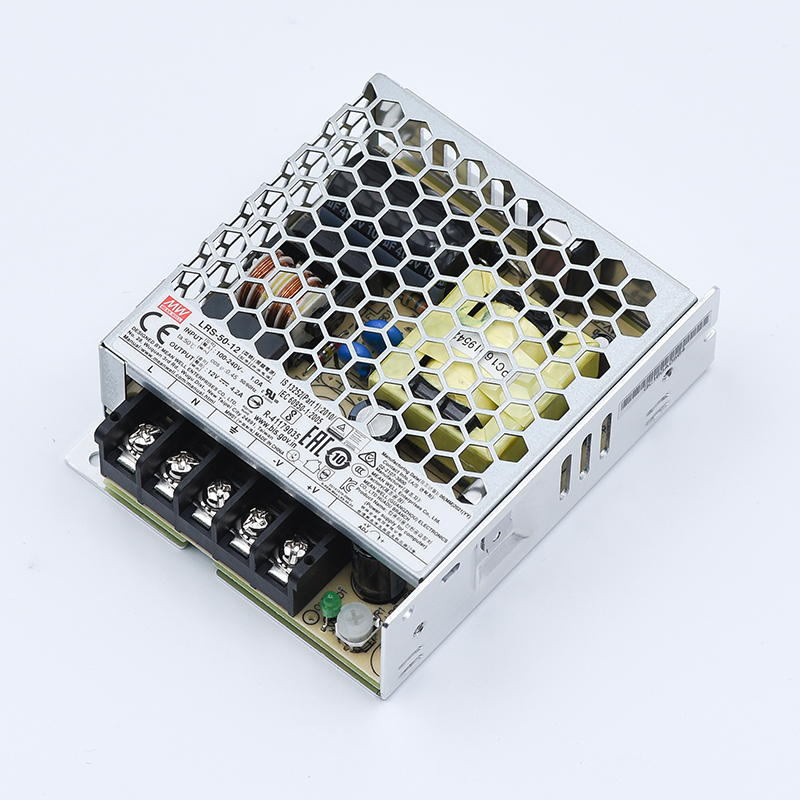
All products carry genuine manufacturer warranty terms—from 3 years for standard enclosed units like the LRS-50-12 up to 5 and 7 years on premium IP67 drivers such as the ELG-300-24A.
Low MOQ & Multi-Series Consolidation
We support Cambodian R&D engineering teams, prototype developers, and maintenance workshops with ultra-flexible MOQs (1 to 5 pieces), allowing diverse models to be combined in a single consolidated export shipment.
Direct Regional Logistics Channels
Located in Shiyan, Shenzhen—the global center of power electronics—we facilitate fast door-to-door express courier, air freight, or sea consolidated shipping direct to Phnom Penh, Sihanoukville Port, or inland border clearance posts.
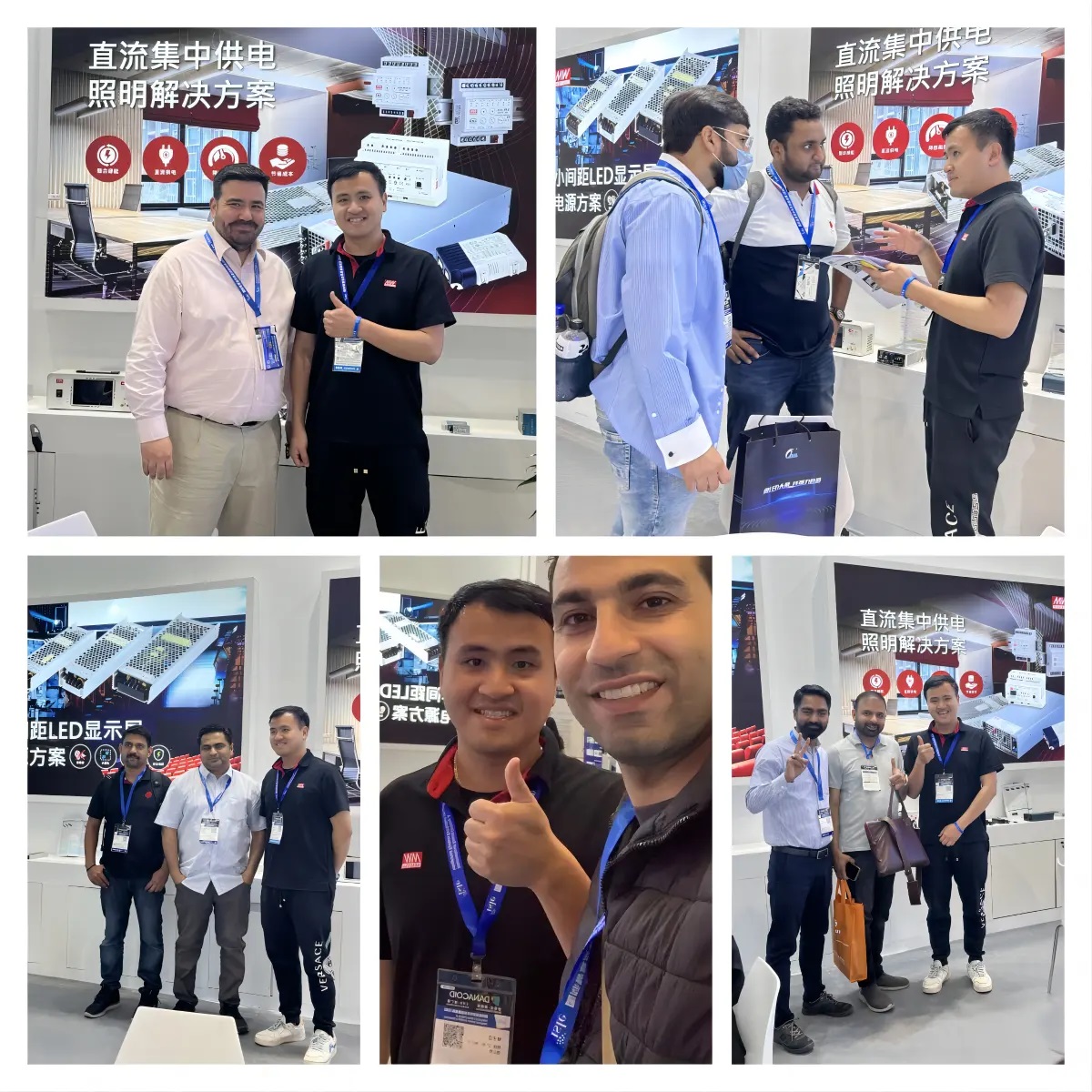
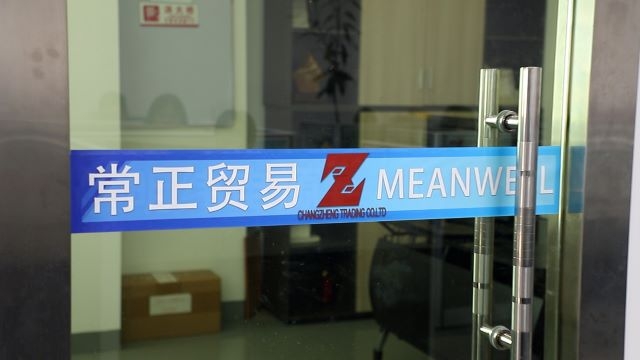
State-of-the-Art Production, Aging & Testing Facility
A glimpse inside the automated manufacturing infrastructure and testing facilities where our power conversion modules are produced, aged under high temperature stress, and prepared for export to Southeast Asian markets:

Frequently Asked Questions by Cambodian Buyers
Essential answers covering customs duties, tropical climate adaptation, minimum order quantities, and electrical compliance for plant engineers and sourcing agents in Cambodia.
Power Your Cambodian Operations with Certified Reliability
Whether you are designing new industrial control enclosures in the Phnom Penh SEZ, maintaining automated textile machinery, or deploying rural solar telecommunications networks, our engineering team is ready to provide precise component selection, technical datasheets, and direct factory quotation.